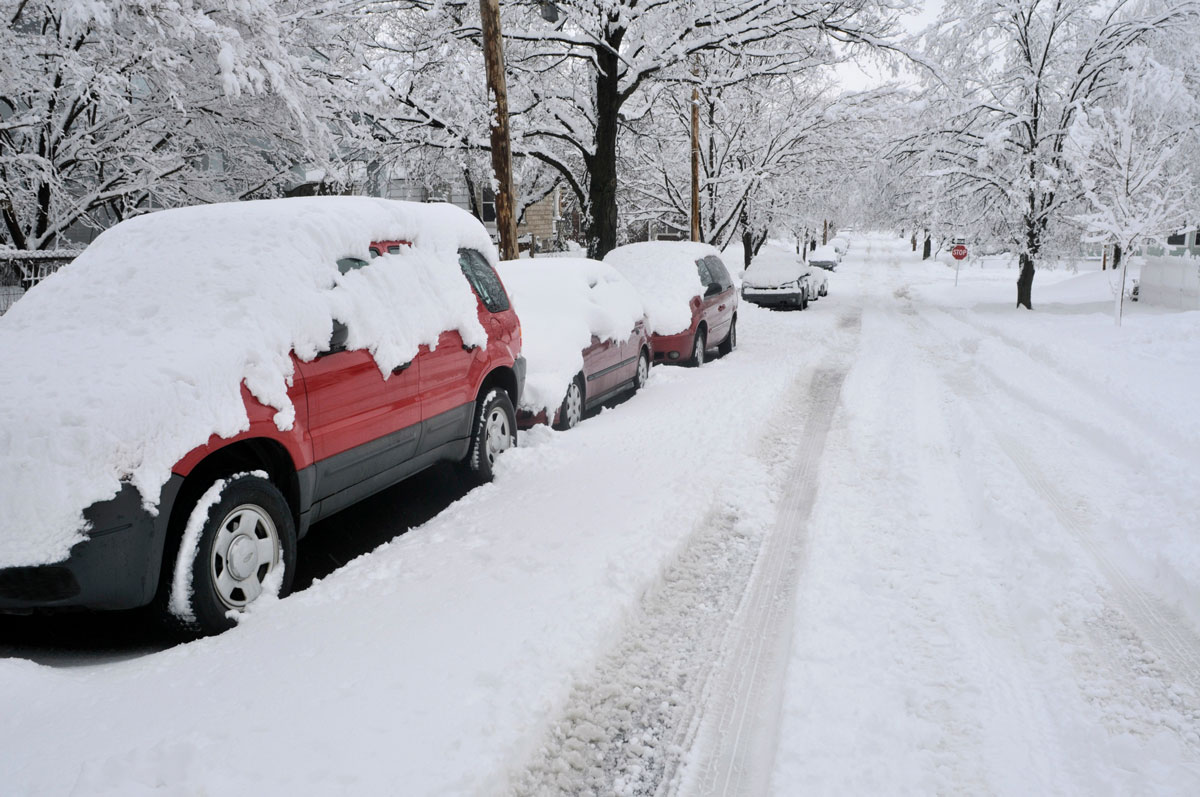
After a major storm moves through Toronto, storm damage to trees rarely looks the way most homeowners expect. We’ve walked dozens of properties across the GTA the morning after high winds, and the worst problems are almost never the branches lying across the lawn. They’re the ones still standing twenty feet up, or buried in the root plate nobody thought to check.
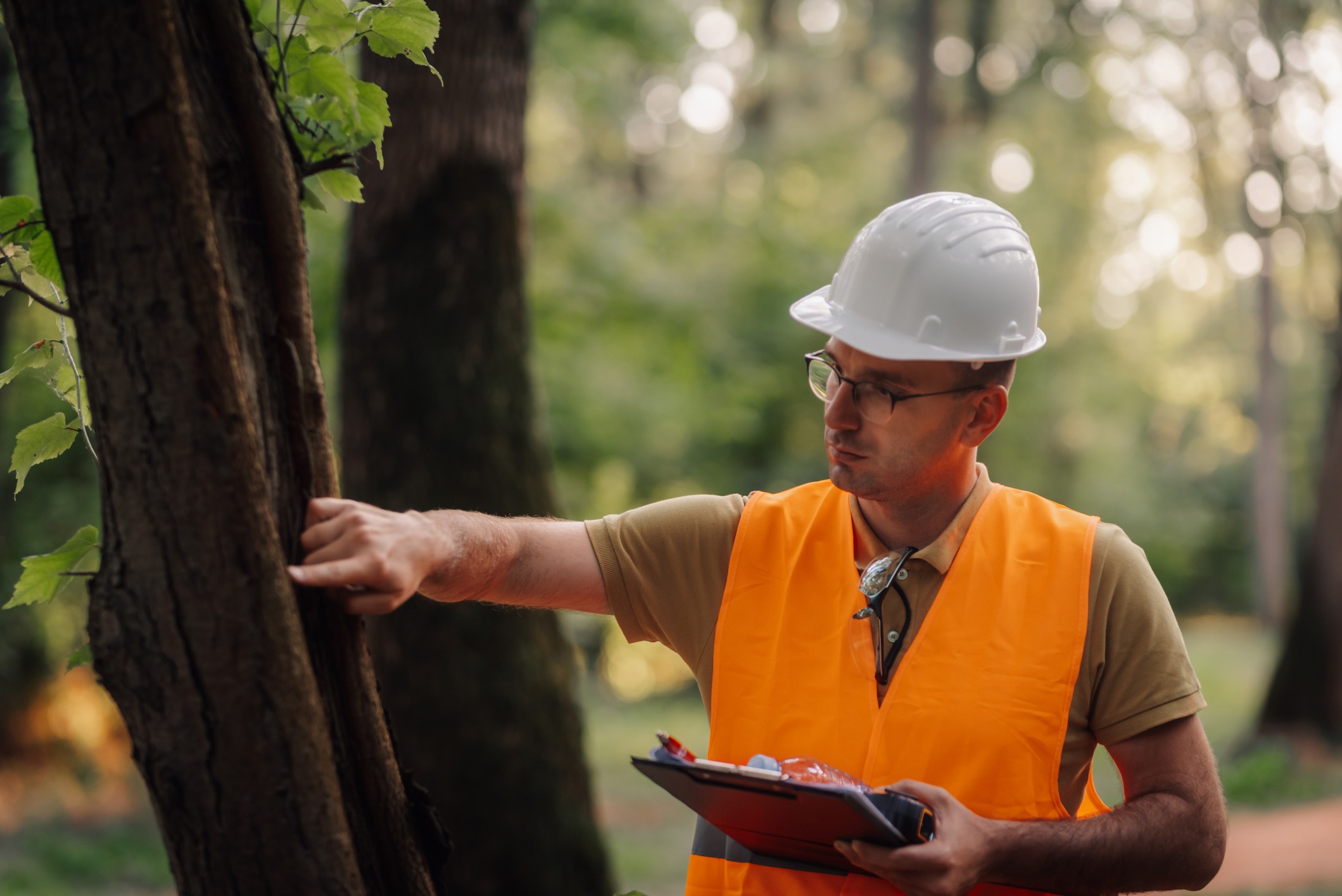
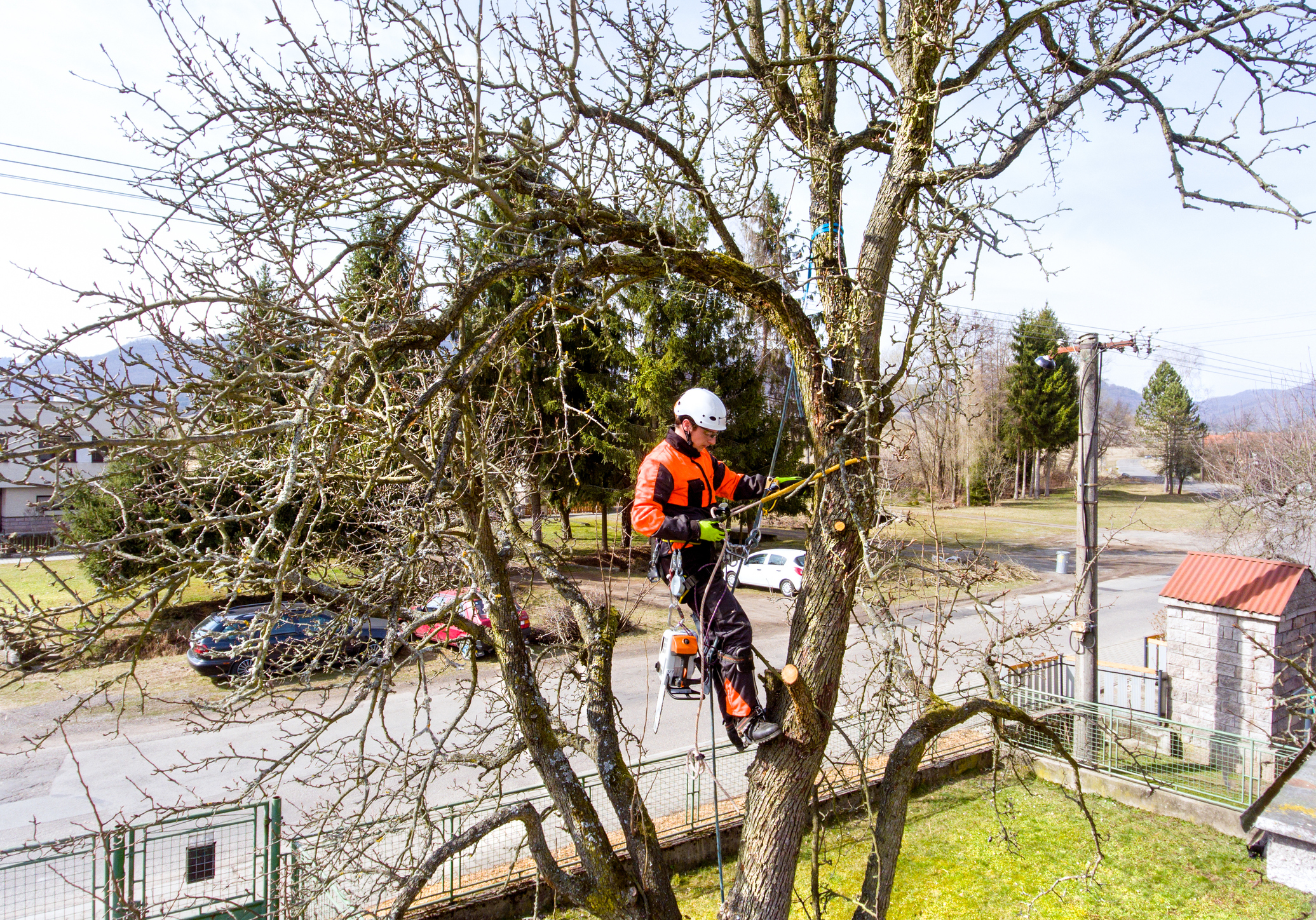
Arborists assess storm damage to trees by inspecting the canopy, branch unions, trunk, root system, and surrounding soil for signs of structural failure. The goal is to identify hidden hazards, determine whether the tree can be safely preserved, and prioritize any immediate risks to people or property.
The tree professionals at J&C Tree Services spend the days following any significant windstorm doing inspections that look past the obvious tree damage to find what’s actually putting a house, a driveway, or a person at risk.
Why Some of the Most Dangerous Storm Damage to Trees is Invisible From the Ground
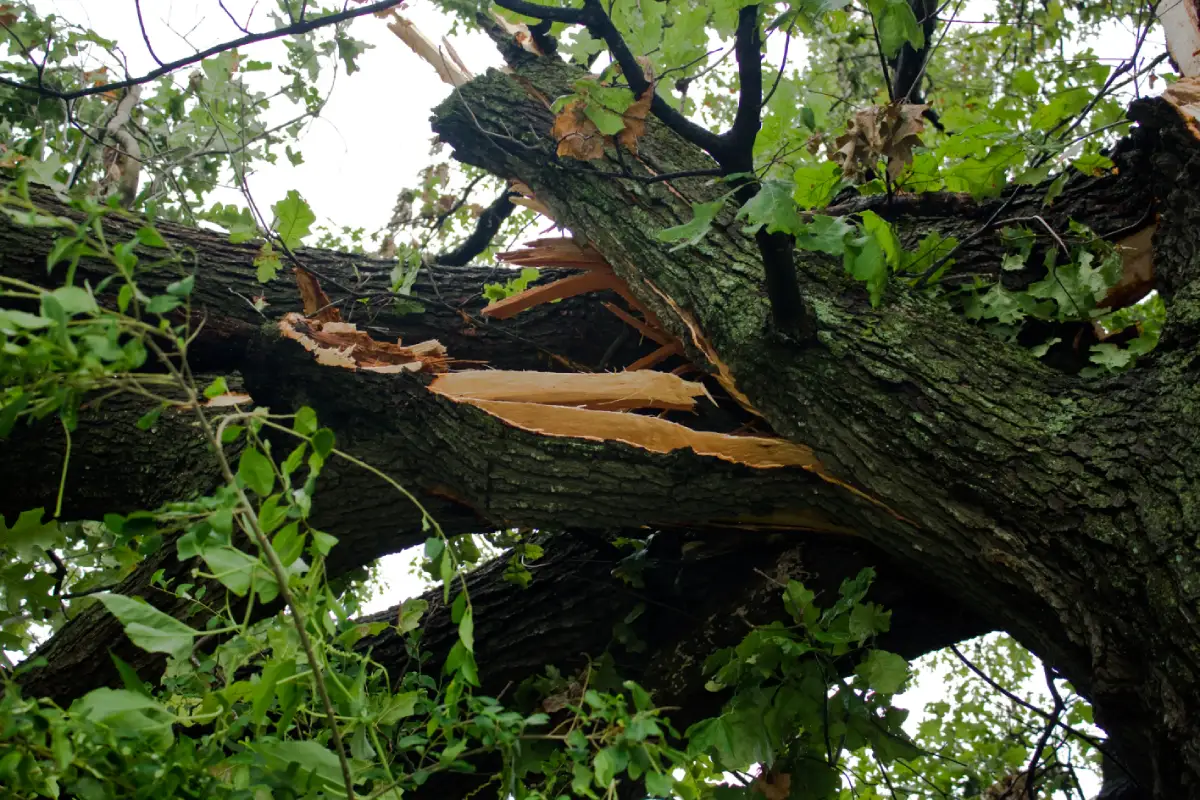
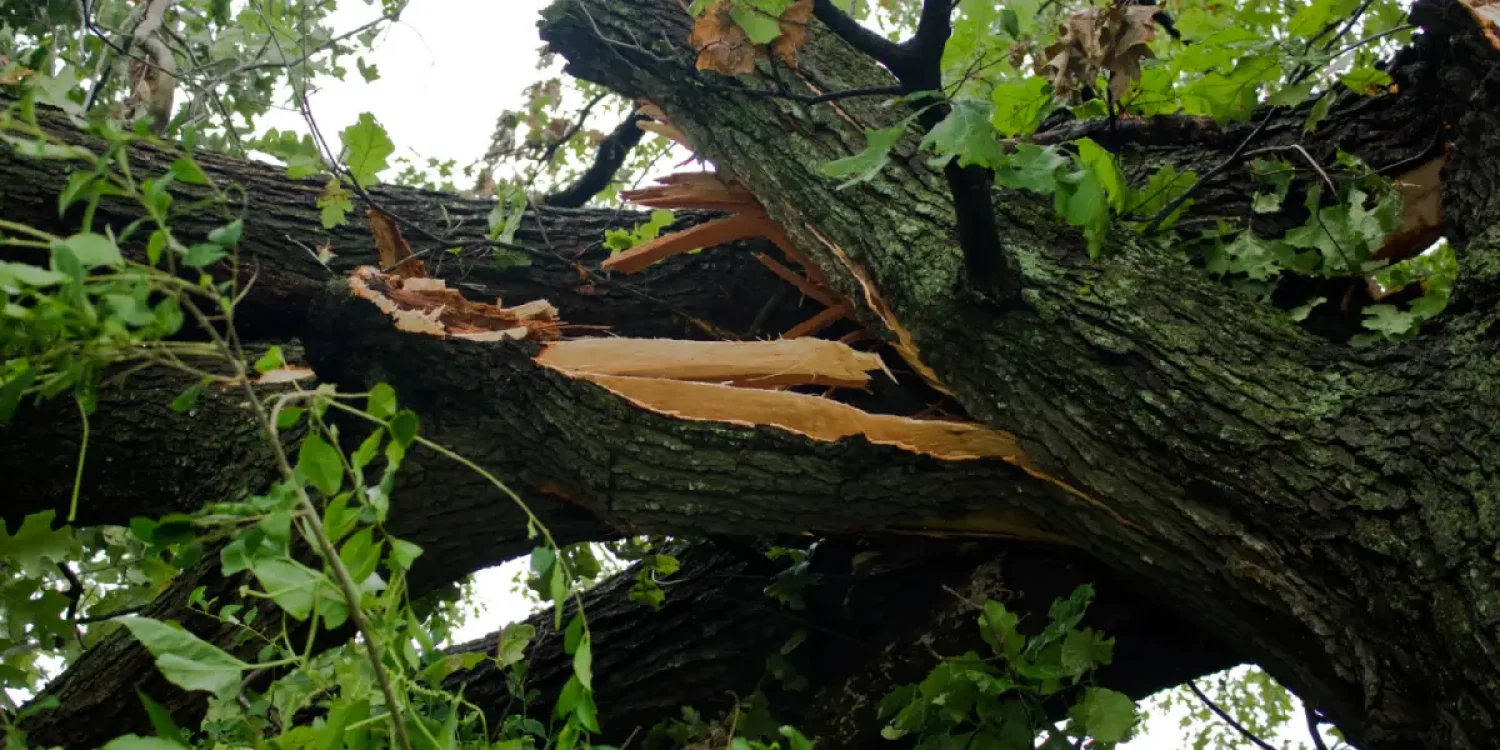
From the sidewalk, a tree can look completely fine after a storm. The canopy is intact, the trunk looks straight, and there’s no obvious tree damage anywhere in sight. But wind doesn’t only break what’s visible. It also stresses the cambium layer, cracks branch unions internally, and creates fractures inside the trunk wood that won’t show on the bark for weeks or months.
We look for things like included bark at branch unions, vertical seams running down the trunk, and slight changes in lean that are easy to miss unless you’re comparing the tree to how it stood before the storm. Sap or sawdust at the base, known as frass, can point to internal decay that a storm just finished exposing. None of this is obvious from a quick look out the window, which is exactly why so many Toronto homeowners are surprised when a tree that looked fine comes down weeks later in a much lighter wind.
How Storm Damage to Trees Affects Root Stability
Some of the riskiest storm damage happens below grade, not above it. When strong winds rock a tree’s canopy hard enough, the root plate can shift in the soil, a movement arborists call soil heave. You’ll sometimes see this as a slight ridge or crack in the turf on one side of the trunk, with a corresponding depression on the opposite side.
That movement can sever or badly stress the lateral roots that hold the tree upright. Most large trees don’t rely on a deep taproot for anchorage. They depend on a wide, relatively shallow plate of lateral roots spreading out from the base. When those roots tear under load, the tree loses much of its structural anchorage even if the canopy and trunk look untouched. A tree in this condition can fail in the next moderate wind, not necessarily the next major storm, which is part of what makes this kind of tree damage so dangerous for homes in established neighbourhoods with mature trees close to the foundation.
How Do You Tell a Hanging Limb From a Safe-looking Branch?
A hanging limb, often called a widow-maker, is one of the more deceptive hazards after a storm. From below, it can look almost identical to a healthy branch resting naturally in the canopy. The difference is in how it’s attached.
A safe branch is still connected through sound wood at the union, even if it’s bent or sagging. A hanging limb has broken loose at that union and is held up only by tension, by another branch it’s resting on, or by a strip of bark and cambium that hasn’t fully separated yet. There’s often no visible gap, no obvious crack, and no warning before it lets go.
We check for this by watching how a limb moves in light wind compared to the branches around it, and by examining the union itself for torn bark, exposed wood fibre, or a slightly different angle than it would naturally rest at. This isn’t something we’d recommend trying to diagnose from a ladder. Storm-stressed wood fails without warning, and a limb that looks stable can come down the moment weight shifts.
How to Decide Which Tree to Deal With First When Several Are Damaged
After a widespread Toronto storm, it’s common for a single property to have three or four trees that all need attention. Deciding what comes first isn’t about which tree looks worst. It’s about risk.
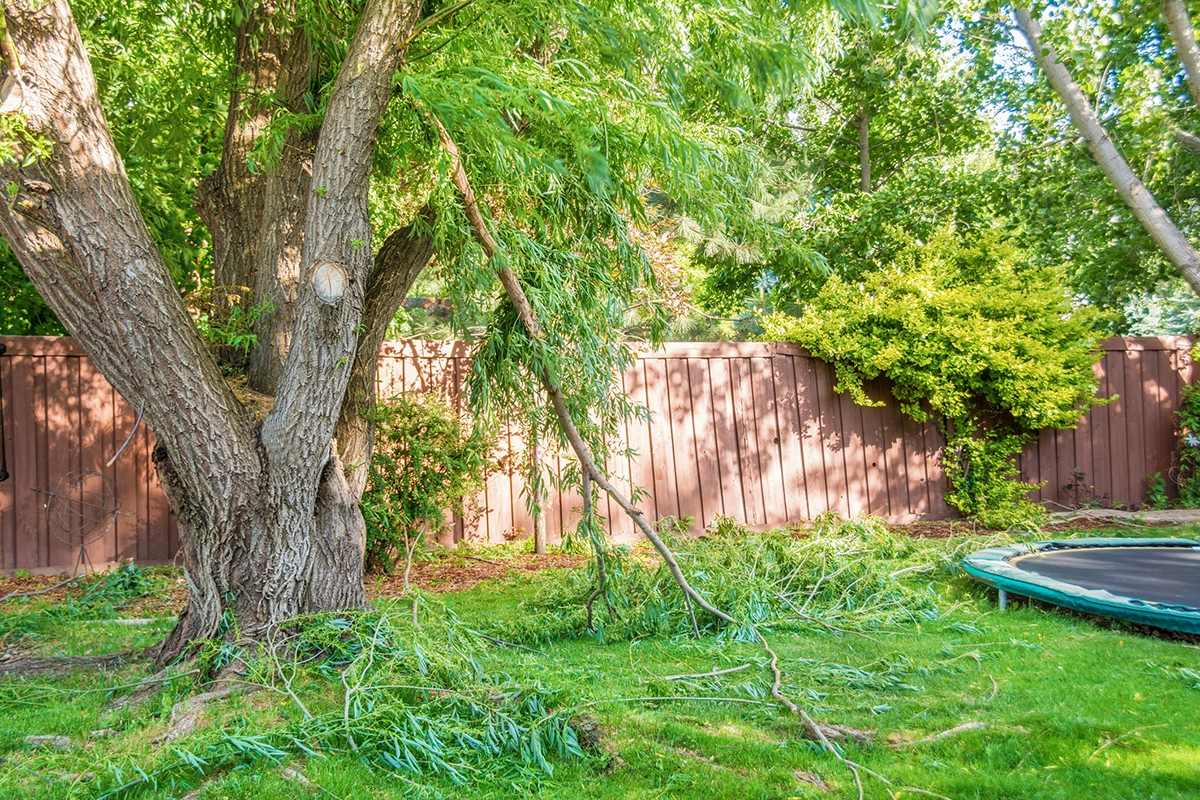
We start with anything actively leaning toward a structure, a driveway, or a path people use regularly, since the consequence of failure is highest there. Next come trees showing signs of root plate movement or soil heave, because their failure can happen with little warning. Hanging limbs over high-traffic areas rank close behind, even on trees that are otherwise stable. Trees with damage but no immediate path to a person or structure, like a cracked limb over an unused corner of the yard, can usually wait a few more days without added risk.
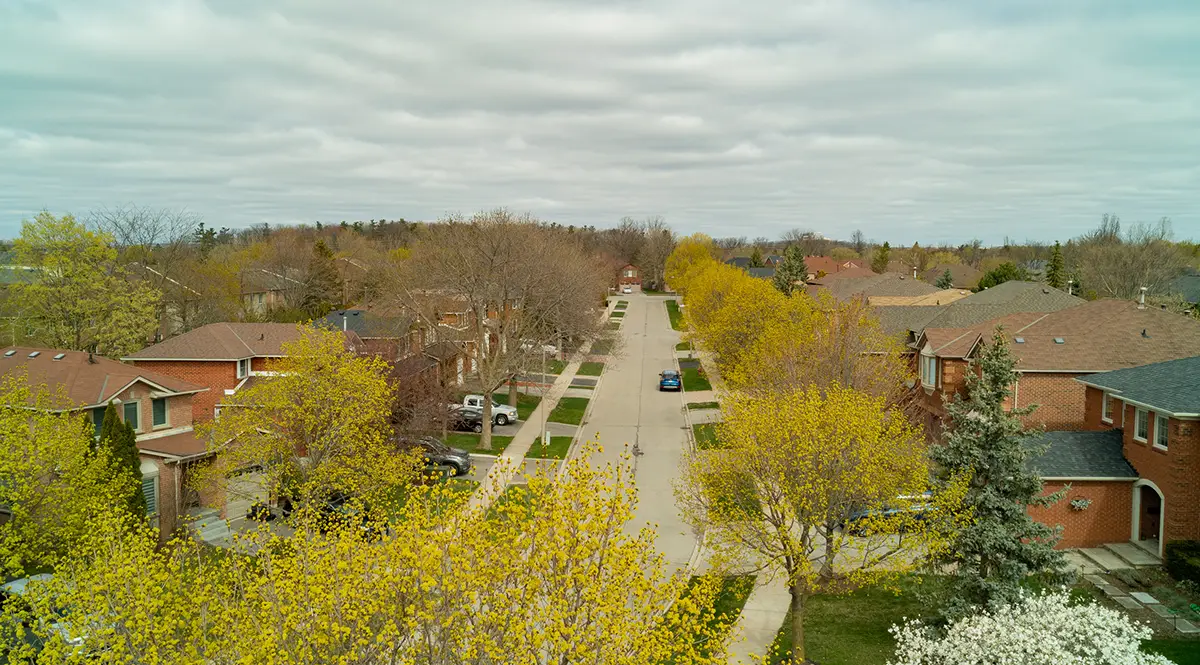
This order becomes especially important in dense Toronto neighbourhoods, where a mature tree on one property often overhangs a neighbour’s yard, a laneway, or a shared fence line.
When Can a Storm-damaged Tree Be Saved and When Does it Have to Come Down?
Not every tree that takes a hit needs to be removed, and we’d rather prune and monitor a tree than take it down unnecessarily. A single broken branch, even a large one, is often manageable with proper structural pruning that removes the damaged limb cleanly back to a healthy union.
Removal becomes the safer option once the damage reaches the tree’s main structure. That includes a split trunk, a significant lean tied to root plate movement, or decay that’s now exposed by a broken section and compromising more than a third of the trunk’s cross-section. Species also plays a role. Some trees common around Toronto, like silver maple and Manitoba maple, are more prone to internal decay and tend to handle storm damage worse than oak or hickory of a similar size.
The honest answer, most of the time, is that it depends on the specific tree, its location, and what’s standing or living near it. That’s the assessment we do on-site rather than over the phone.
What To Do When You Need Emergency Storm Damage Service
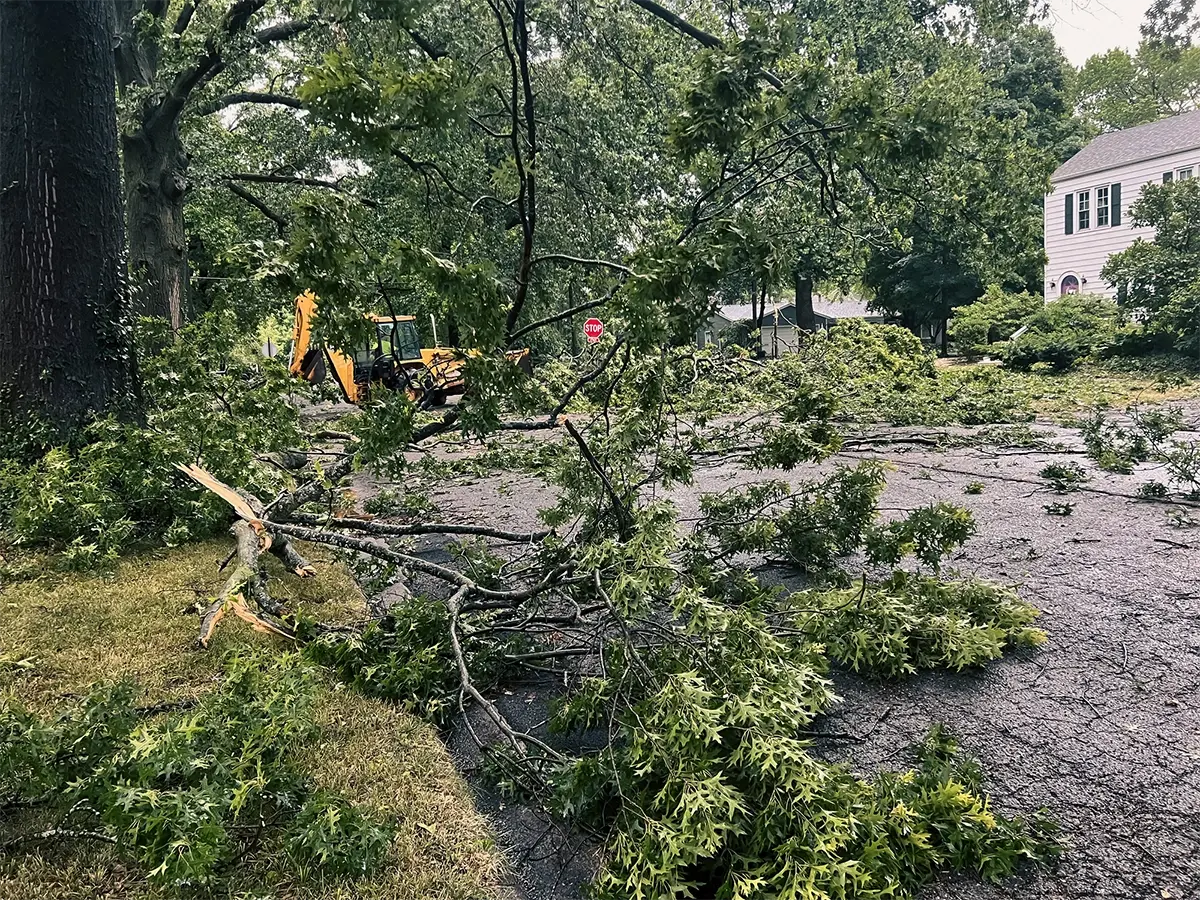
Some storm damage can’t wait for a scheduled appointment. A tree leaning against a roof, a limb resting on power lines, or a trunk blocking a driveway after a storm needs attention the same day, not the same week.
J&C Tree Services offers 24-hour emergency storm damage service across Toronto and the surrounding GTA for exactly these situations. When a call comes in after a storm, the priority is stabilizing the immediate hazard first, whether that means a controlled limb removal, bracing a leaning section, or a full removal, and then assessing what other work the tree or its neighbours might need.
If a recent storm has left a tree on your property looking questionable, it’s worth having someone take a real look rather than guessing from the ground. A short inspection now costs a lot less than dealing with a failure later, and our crew is set up to respond quickly across Toronto when storm damage shows up at your door.
Working With The Professionals at J&C Tree Services
At J&C Tree Services, we work throughout Toronto and the GTA to assess, prune, and remove trees after a major storm.
Contact J&C Tree Services at 416-997-7280 to schedule your inspection. We’ll give you a straight read on what you have, what it needs, and what it will take to keep your trees healthy and safe.