Planting a tree on your property is one of the best long-term investments you can make for your landscape, property value, and the environment. But successful tree planting is about far more than picking a species that looks good at the garden centre. Proper tree selection in Toronto requires careful consideration of soil conditions, available space, drainage, climate resilience, and the long-term health of the tree.
We regularly see situations where trees struggle not because they were unhealthy at planting, but because the species was not suited to the site. A tree that thrives in one part of the GTA may perform poorly just a few kilometres away due to differences in soil compaction, drainage, exposure, or surrounding infrastructure.
It’s critical to understand how to plant the right tree in the right location so it can remain healthy, stable, and structurally sound for decades.
How Do You Choose the Right Tree for a Toronto Property?
Proper tree selection in Toronto depends on soil conditions, drainage, available rooting space, mature tree size, and long-term climate resilience. In many GTA properties, compacted clay soil, limited planting space, and urban infrastructure heavily influence which species will thrive long-term. Choosing a tree suited to the specific site conditions helps reduce future structural problems, decline, and maintenance issues.
Urban Soil Conditions Affect Proper Tree Selection in Toronto and the GTA
One of the biggest challenges with tree selection for Toronto properties is urban soil. In many neighbourhoods throughout the GTA, soils are heavily compacted from construction, grading, foot traffic, and years of development. Compacted soil limits oxygen movement, water infiltration, and root expansion, all of which directly affect tree health.
When roots cannot properly spread through the soil, trees often develop shallow or restricted root systems. Over time, this can impact long-term stability, increase drought stress, and make trees more vulnerable during storms or periods of extreme weather.
Southern Ontario also has a high concentration of clay-heavy soils, particularly throughout suburban developments. Clay soils hold moisture well but often drain slowly, which means some species may struggle while others perform exceptionally well.
Species that generally tolerate GTA clay soils and urban conditions well include:
Bur Oak (Quercus macrocarpa): One of the most durable native species for Southern Ontario conditions, with excellent tolerance for compacted clay soils, drought, and urban stress.
Swamp White Oak (Quercus bicolor): If your clay soil tends to stay wet in the spring, this is an excellent choice. It features beautiful, peeling bark as it matures.
Hackberry (Celtis occidentalis): This tree is highly adaptable to heavy clay and urban environments, resembling the elm with its distinctive warty bark.
Eastern White Cedar (Thuja occidentalis): This native evergreen handles dense clay better than many other conifers. It’s perfect for hedging or as a windbreak.
Red Maple (Acer rubrum): Tolerates heavier soils well and adapts better to fluctuating moisture conditions than many upland maple species.
That doesn’t mean these trees are suitable for every property. Proper species selection must always be site-specific. For a full list of native trees and their ideal planting conditions, check the City of Toronto website.
Understanding Drainage Before Planting
Drainage is one of the most overlooked parts of tree selection, and one of the first that causes problems. We often identify drainage problems only after a tree begins declining several years after planting. In many GTA properties, water collects around planting areas long after rainfall, especially in newer subdivisions with compacted clay fill.
One of the most common mistakes we see is a tree species that prefers well-drained soil planted in an area that consistently stays wet. This can lead to chronic stress, root disease, and early decline. In many cases, homeowners do not realize there is a drainage problem until the tree begins showing signs of poor health years later.
Before selecting a species, evaluate how water moves across the property, whether there are low areas that hold moisture, and how much rooting space is realistically available. Existing trees, nearby structures, and compacted ground conditions can all influence whether a species will thrive long-term.
Matching Rooting Volume to Mature Tree Size
A common mistake we see across Toronto and the GTA is planting large-growing tree species into spaces that are too small to support them at maturity. We regularly see large-growing species like silver maples or Norway maples planted into narrow boulevard spaces where root expansion is heavily restricted by driveways, sidewalks, and utilities.
Every tree requires adequate rooting volume to support its future canopy size. A tree that eventually reaches 50 feet tall cannot realistically thrive in a narrow planting strip between a driveway and sidewalk without ongoing stress and maintenance concerns.
Proper tree selection involves visualizing the mature size of the tree before it is planted. Rooting volume must support the future canopy size, and there must be adequate clearance for both above-ground growth and underground root expansion.
As arborists, we encourage homeowners to think beyond the immediate appearance of a newly planted tree and consider how that species will function within the landscape decades into the future.
Infrastructure Conflicts Must Be Considered Before Planting
When selecting a tree for a Toronto or GTA property, you need to consider how the tree will interact with surrounding infrastructure as it matures.
We regularly see large-growing species planted beneath hydro lines, too close to homes, or within narrow boulevard spaces that cannot realistically support long-term root and canopy development. Over time, poor placement can lead to conflicts with sidewalks, driveways, utilities, and nearby structures.
Mature canopy spread and rooting space should always be considered before planting. Trees planted in restricted spaces often require ongoing pruning to maintain clearance from hydro lines and structures, increasing long-term maintenance needs and affecting structural development.
Climate Change Is Affecting Proper Tree Selection in Toronto
As temperatures fluctuate and weather patterns become more extreme, species selection must account for long-term climate adaptability, not just current growing conditions. In Toronto and the GTA, we are already seeing longer drought periods, more intense rainfall events, warmer winters, and increased environmental stress on urban trees.
Species that performed reliably in the past may struggle under future conditions, which is why modern tree selection in the GTA must consider adaptability and resilience alongside appearance. This includes evaluating how well a species tolerates heat, drought, salt exposure, pollution, and changing hardiness conditions. It also means increasing species diversity throughout the urban canopy.
The loss of ash trees throughout Ontario due to Emerald Ash Borer demonstrated the risks of relying too heavily on a small number of species. A more diverse urban forest is better equipped to withstand pests, disease pressure, and environmental change while supporting biodiversity across the GTA.
Proper Tree Selection Supports Toronto’s Urban Forest
Choosing the right tree benefits more than just your property. Every healthy tree contributes to Toronto’s urban canopy, helping improve air quality, reduce urban heat, manage stormwater, and support local biodiversity.
The City of Toronto has identified tree equity as an important part of expanding canopy coverage across neighbourhoods that would benefit most from additional trees. This reinforces the importance of planting species that are well-suited to their environment and capable of thriving for decades.
As arborists, we encourage homeowners to think beyond immediate appearance and consider the long-term impact of their planting decisions. Selecting diverse, resilient tree species and providing proper ongoing care helps create a stronger, healthier urban forest for future generations.
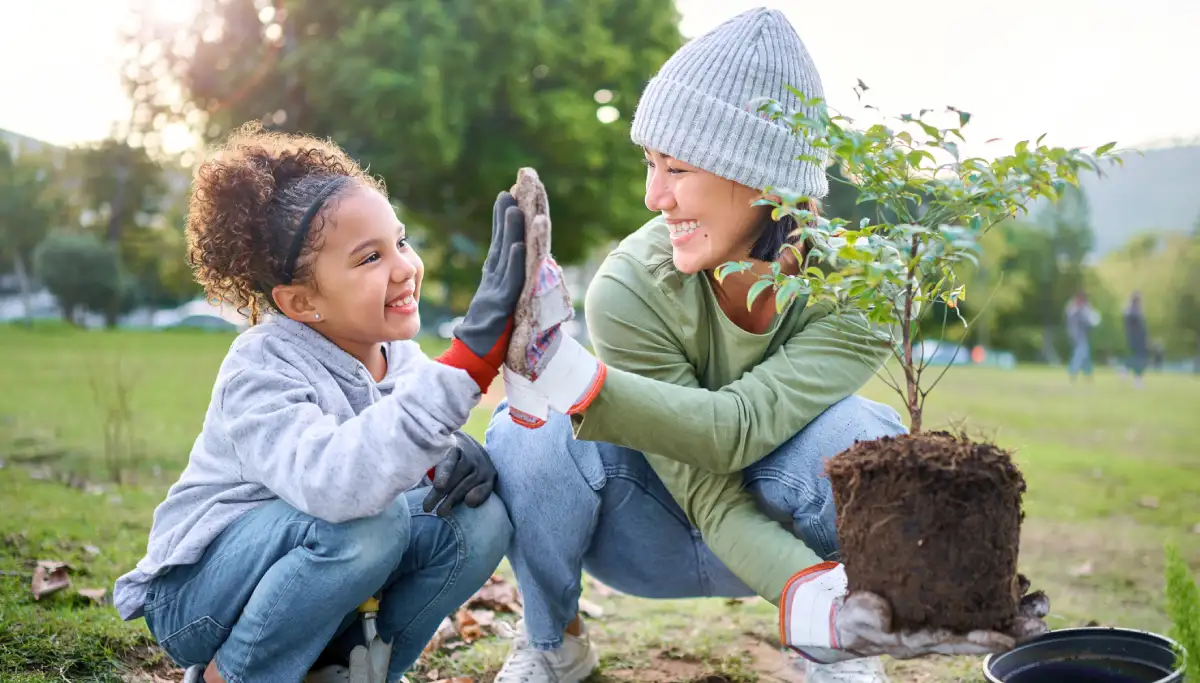
Toronto homeowners may also be able to take advantage of programs designed to increase canopy coverage on private property. The City offers several tree planting initiatives, including free tree giveaways, subsidized planting programs, and community-based planting incentives that can help reduce the cost of adding trees to your landscape. Additional information about available grants and programs can be found through the City’s Urban Forestry Grants and Incentives Program.
Proper Planting Depth Can Determine Success or Failure
Even the best species selection can fail if the tree is planted incorrectly.
One of the most important factors in successful tree establishment is planting depth, particularly at the root flare. The root flare is the area where the trunk begins to widen into the root system, and it should remain visible above grade after planting.
Unfortunately, we frequently see trees planted too deeply, particularly in residential landscapes and new developments. Over time, excessive soil around the trunk can restrict oxygen exchange, contribute to root girdling, encourage decay, and place the tree under significant stress.
Correct planting techniques, proper handling of nursery stock, and professional installation all play a major role in long-term tree health.
How to Plant Successfully in Clay Soil
Toronto’s clay-heavy soils leave little room for error when it comes to planting depth and backfill practices. We frequently see planting failures caused by over-amended planting holes, buried root flares, and excessive mulch accumulation around the trunk.
Avoid amending the soil in the hole: Don’t fill the planting hole with rich soil or compost. This creates a “bathtub effect” where clay holds water, drowning the roots. Backfill with the clay soil native to your area.
Plant your tree shallow: Plant the tree slightly higher than it was in the nursery. The root flare (where the trunk widens at the base) should be visible above the soil line.
Mulch should be wide, not deep: Apply a 7.5cm to 10cm layer of organic mulch around the base to retain moisture and regulate temperature, keeping the mulch about 10cm away from the trunk.
The Importance of Quality Nursery Stock For Proper Tree Selection in Toronto
Tree health begins well before planting. The structural quality and root condition of a tree at planting can significantly impact its long-term health and performance.
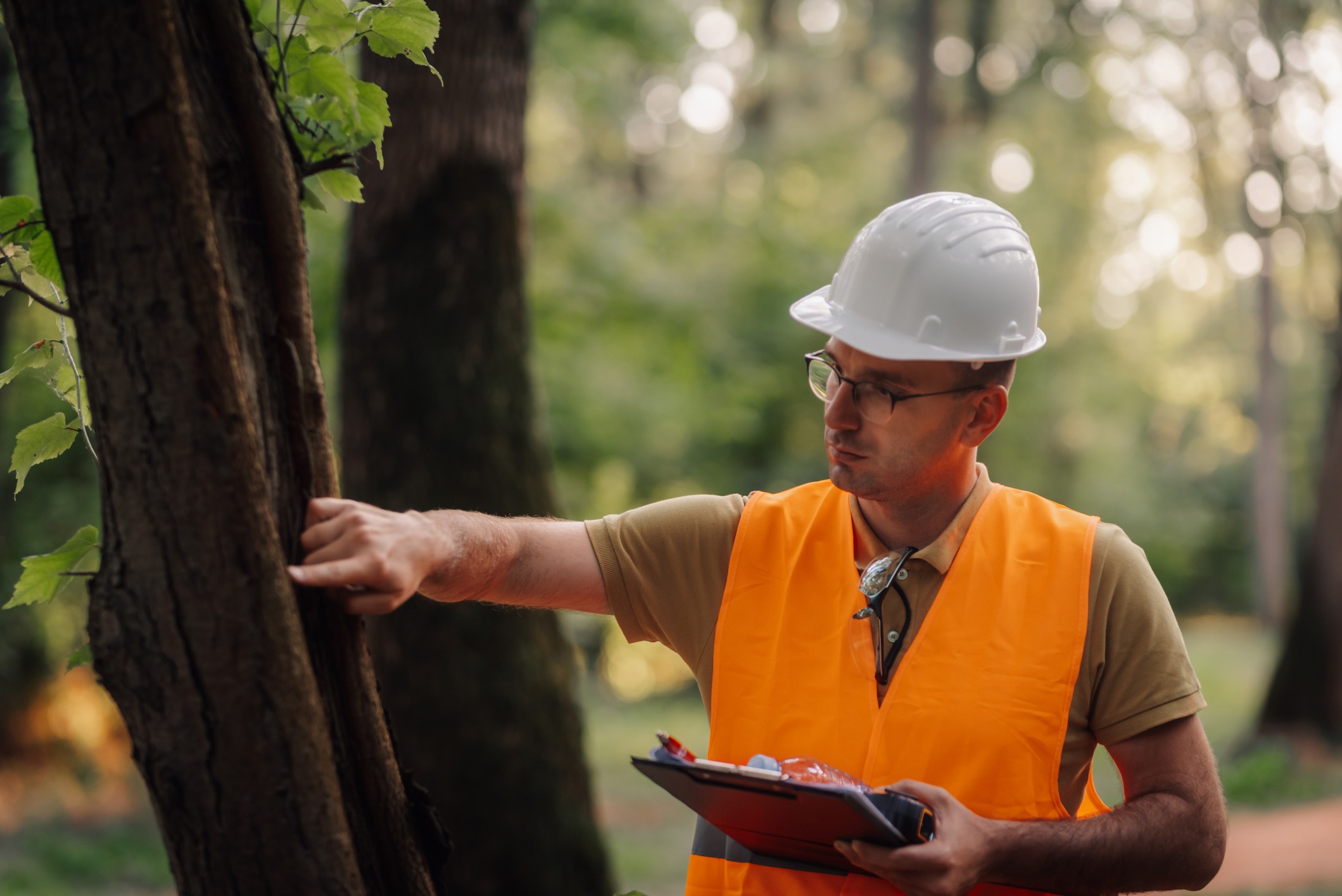
At J&C Tree Services, we inspect for structural defects, circling roots, buried root flares, trunk damage, and poor branch development when selecting a tree. Trees that are already stressed or structurally compromised at the nursery stage often struggle long after they are planted.
Selecting a healthy, properly grown tree provides a much stronger foundation for long-term success.
Professional Tree Maintenance Protects Your Investment
Planting the right species is only the beginning. Ongoing professional tree maintenance is essential to help newly planted trees establish properly and remain healthy as they mature.
Young trees benefit from regular inspections, structural pruning, watering guidance, mulch management, and early monitoring for pests or disease issues. Many long-term structural problems can be prevented through proactive maintenance during the first several years after planting.
Often, preventable issues become much larger concerns simply because young trees were left unmanaged after installation. Early care helps improve structural integrity, long-term stability, and overall lifespan. J&C Tree Services provides professional tree inspections, pruning, and long-term tree maintenance throughout Toronto and the GTA to help support healthy, structurally sound urban trees.