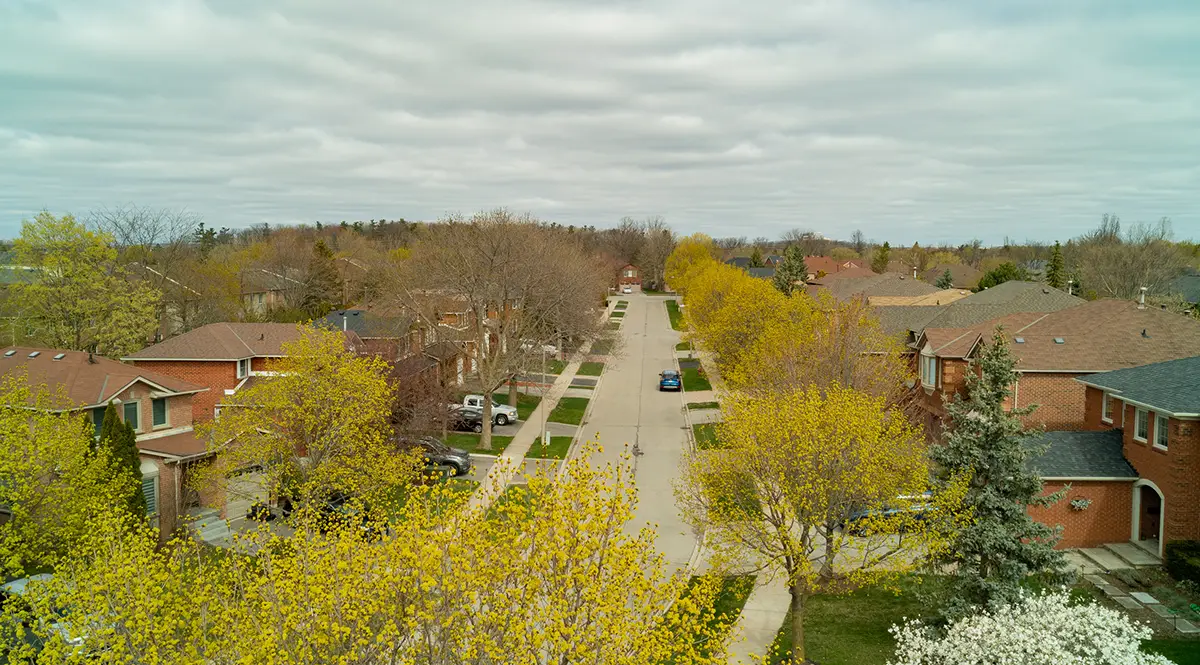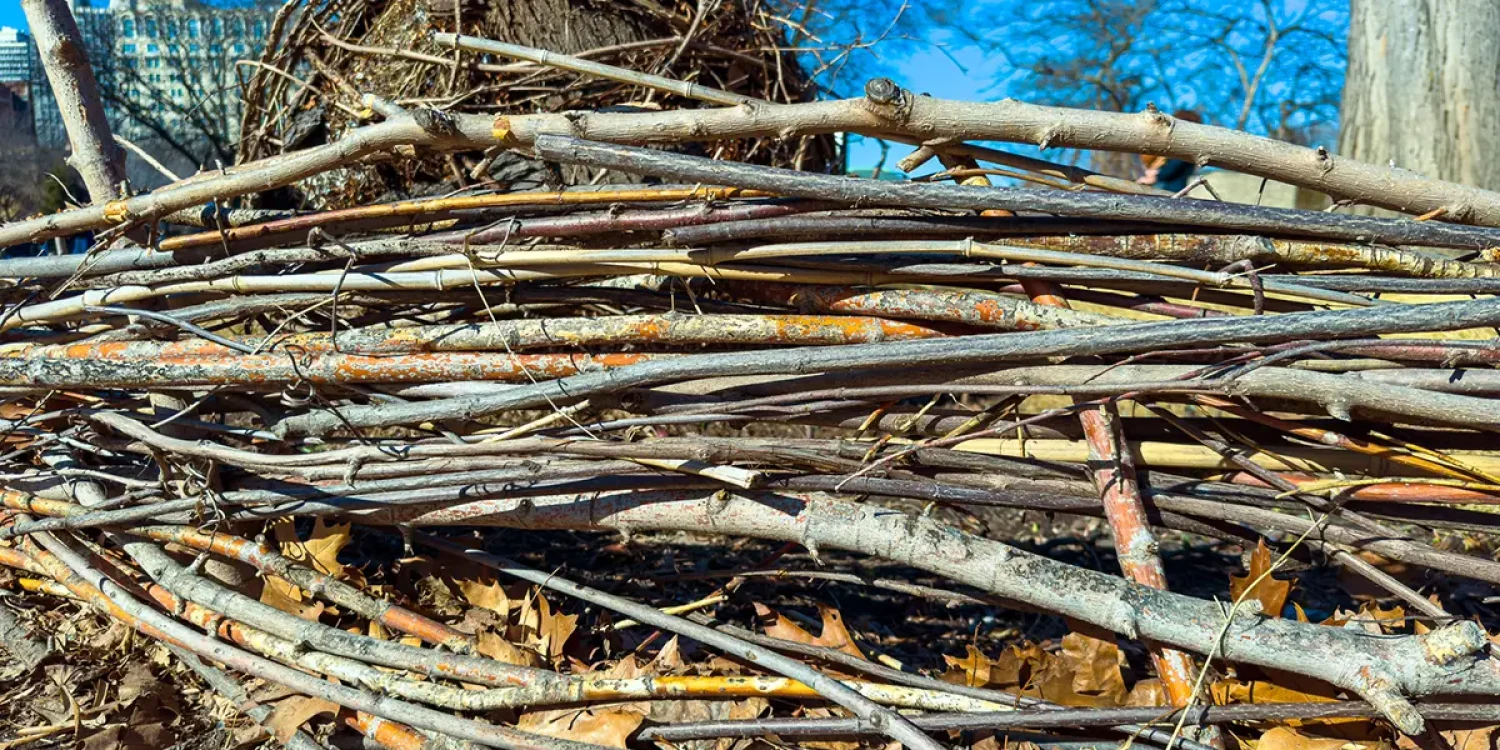
As spring takes hold across the GTA, trees begin transitioning out of dormancy and into active growth, drawing on stored energy reserves to initiate bud break, leaf expansion, and early-season shoot development. Before canopies fully leaf out, there’s a short but important window to assess structural integrity, identify defects, and carry out corrective work in accordance with recognized arboricultural standards.
Spring tree care isn’t just about appearance—it’s about managing risk, supporting long-term structure, and identifying issues before they become costly problems. Effective spring tree care is grounded in tree biology, risk management, and site-specific conditions. The objective is not only to improve appearance, but to support long-term structural stability, mitigate foreseeable hazards, and maintain functional, healthy trees within the constraints of the urban environment.
Stage 1: Start with a Professional Tree Inspection and Risk Assessment
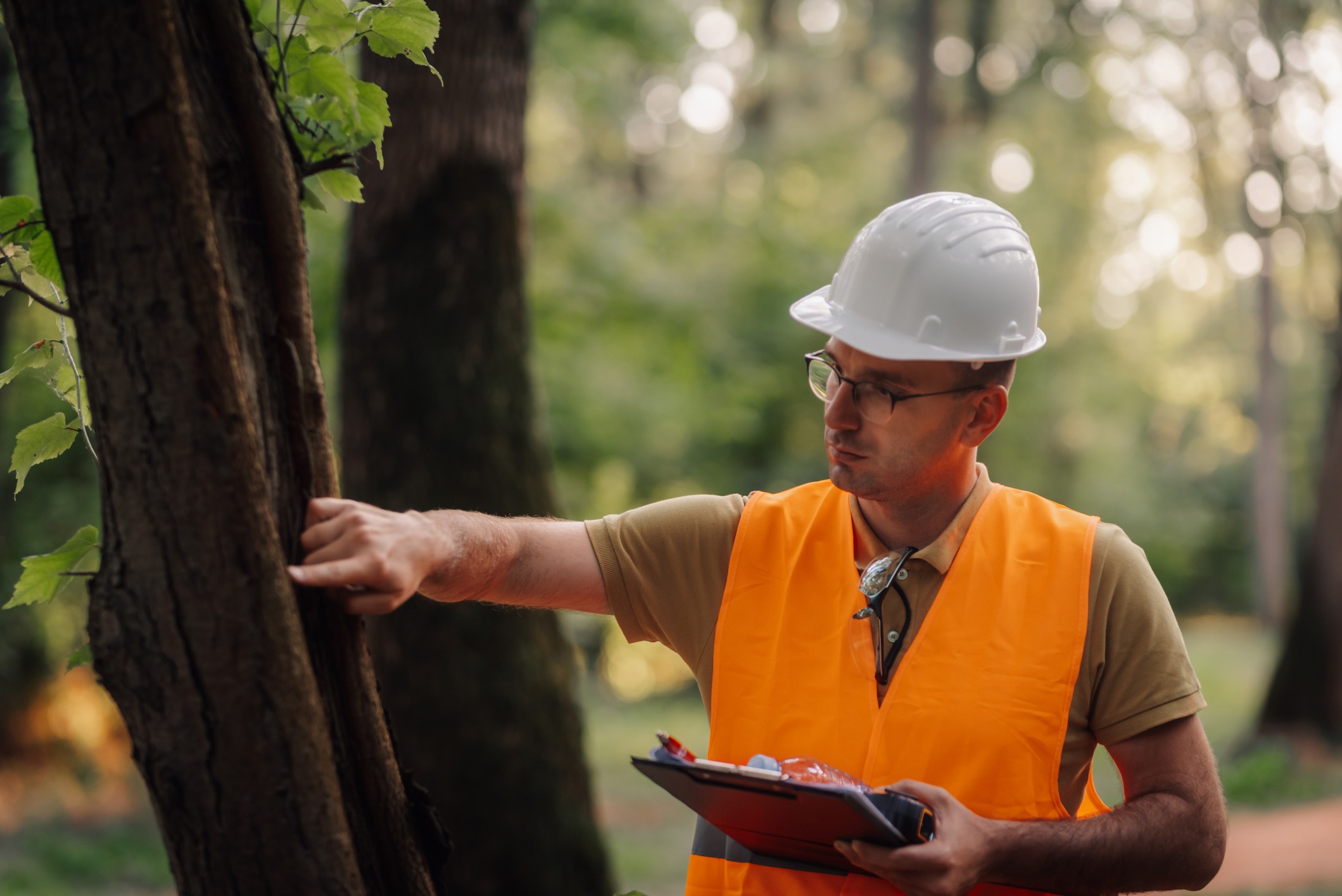
Early spring is one of the best times to evaluate tree structure, allowing for clear visibility of branch architecture and structural defects before the canopy takes over.
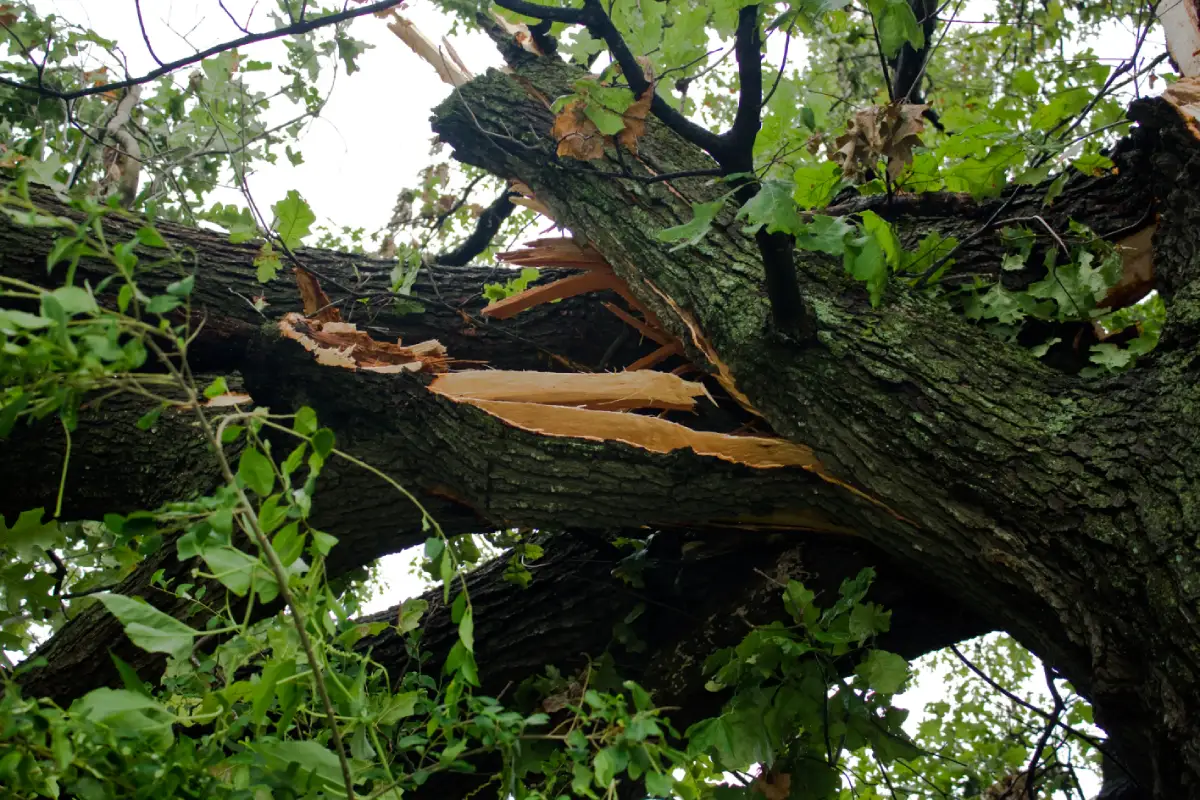
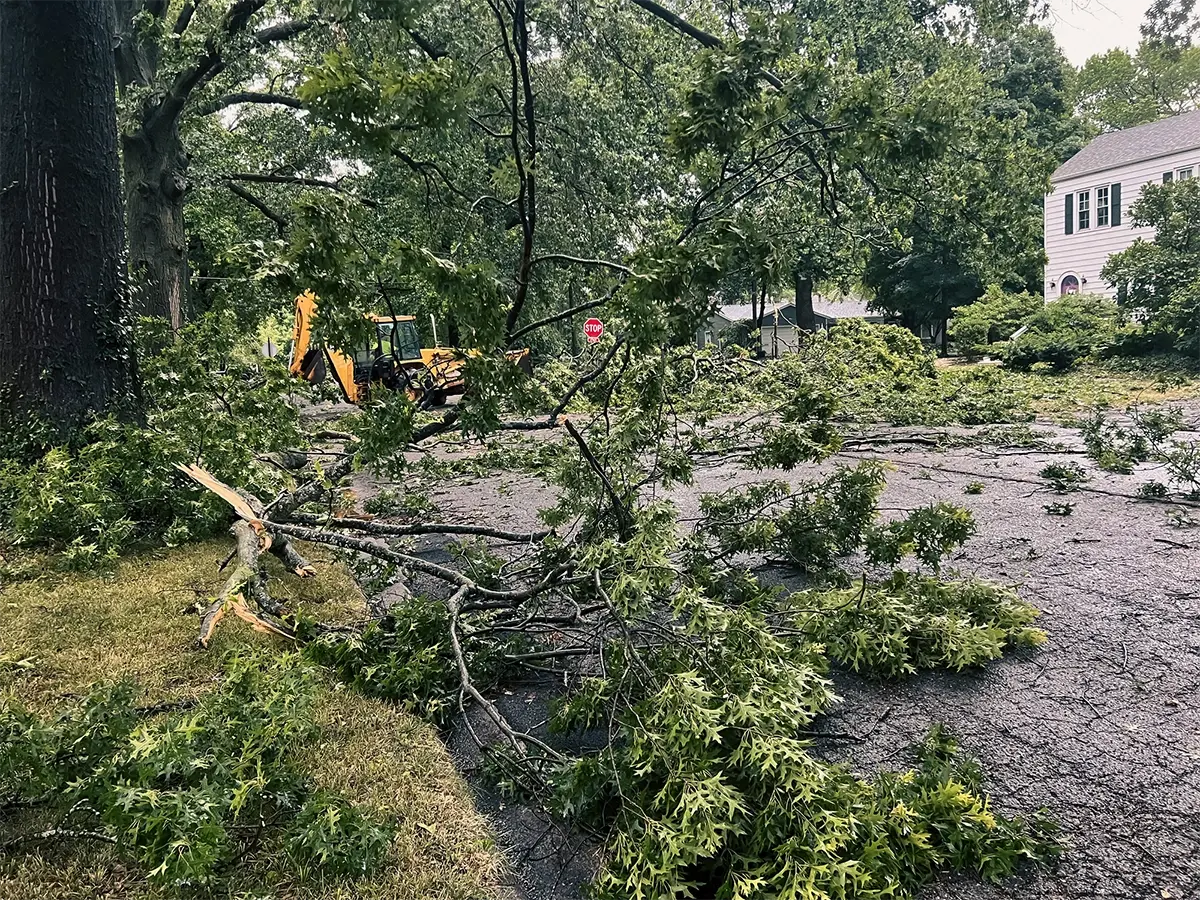
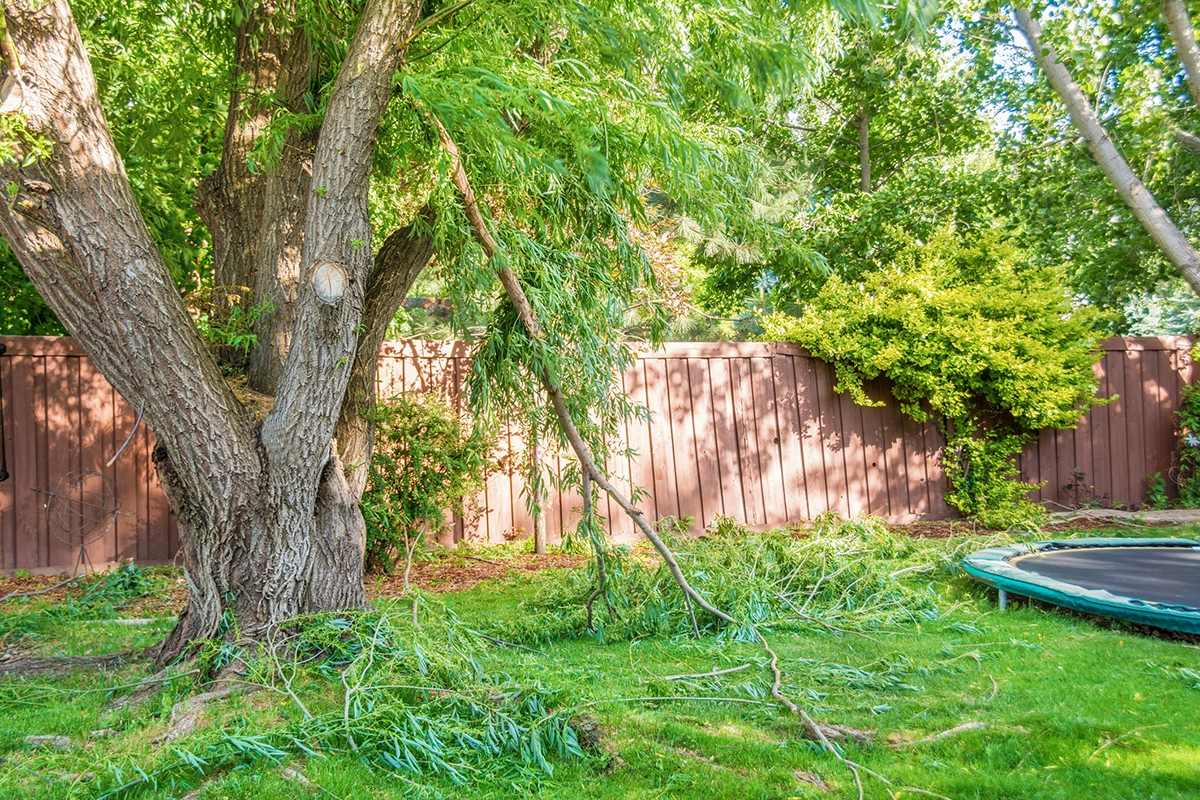
A proper inspection goes beyond a visual glance. A qualified arborist will assess structural concerns such as codominant stems with included bark, overextended and weak branch unions, along with dead, declining, or storm-damaged limbs, particularly where structures, pedestrians, or roadways are present. We also look for early signs of pests, fungal activity, or disease, as well as root zone issues like soil compaction or poor drainage. Soil compaction, restricted rooting volume, girdling roots, and drainage limitations are common in urban settings and can significantly impact tree stability and vigour. Identifying these factors early allows for informed management decisions and prioritization of corrective actions.
Stage 2: Structural and Corrective Pruning
Pruning is one of the most valuable tools in tree care when done correctly and with a clear objective.
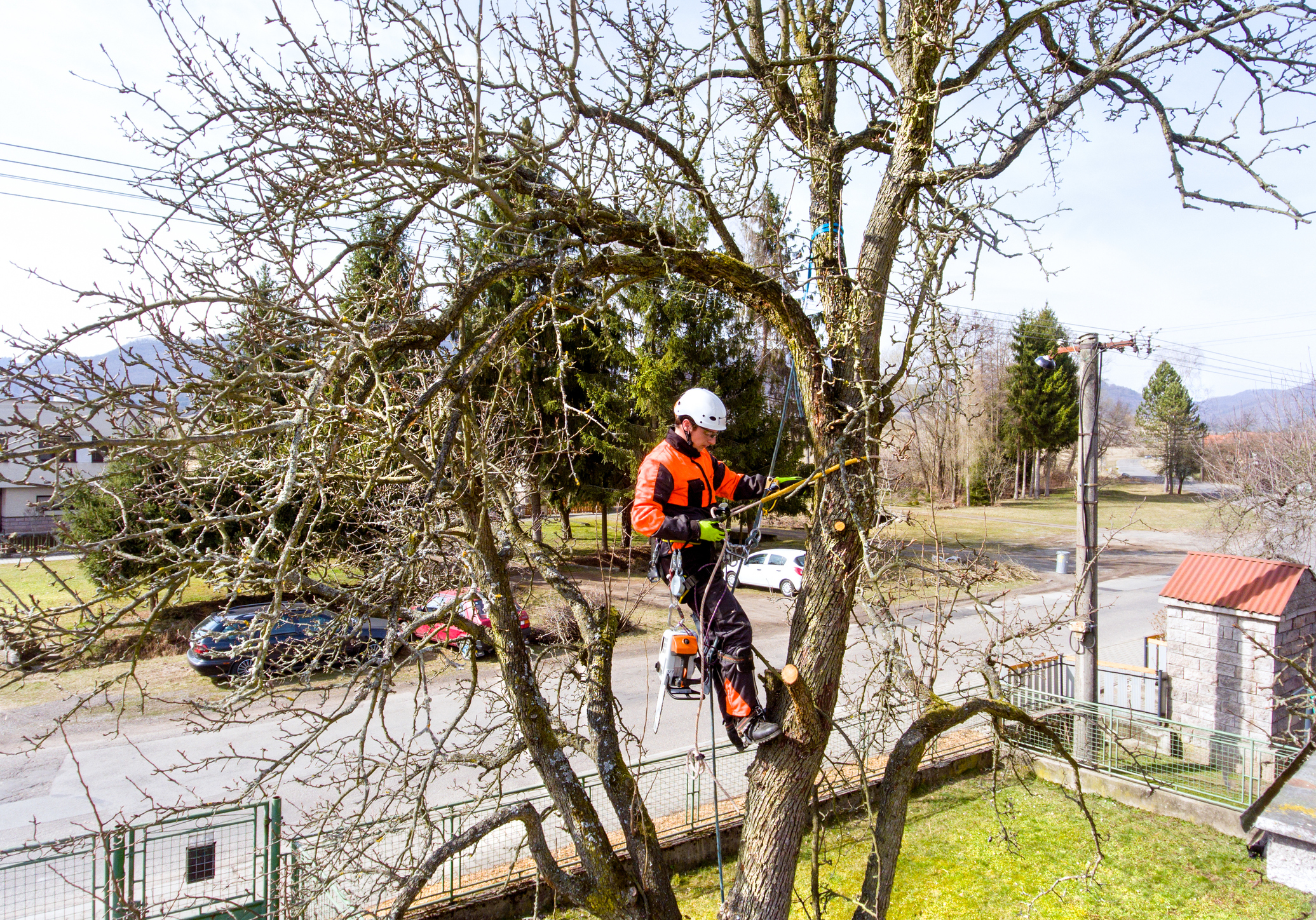
In spring, pruning is typically focused on removing dead or hazardous limbs (deadwooding), improving branch spacing and long-term stability through structural pruning, and selectively thinning the canopy to improve airflow and light penetration. Timing and approach should always take species into account. For example, some trees, such as maples may bleed sap if pruned too early, while others may be more susceptible to pests or disease depending on when cuts are made. The goal is to reduce the likelihood of failure while maintaining the tree’s natural form and minimizing unnecessary live tissue removal.
Cut placement and size are critical considerations. Proper pruning cuts are made just outside the branch collar to facilitate compartmentalization, while avoiding flush cuts or stub cuts that can impair the tree’s natural defense processes. Excessive canopy removal should be avoided, as it can deplete energy reserves and stimulate undesirable regrowth. It’s important to note that in urban environments like Toronto, pruning also plays a critical role in managing clearance over structures, walkways, and driveways, helping reduce liability and maintain safe conditions.
Stage 3: Clean Up Of Debris and Organic Matter Management
Post-winter cleanup is about more than appearance—it directly affects soil health and root function.
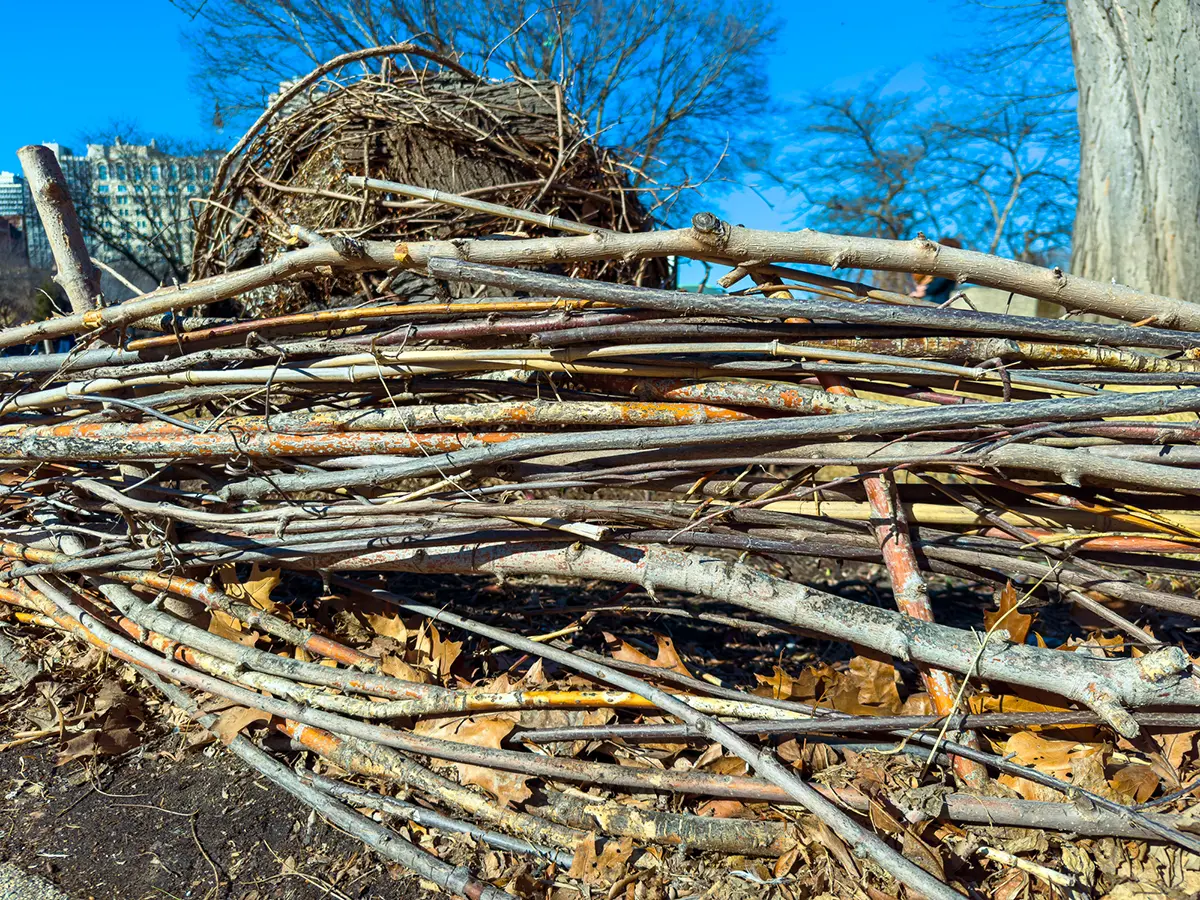
Removing excessive debris, fallen limbs, and compacted leaf layers improves gas movement in terms of air and moisture movement into the soil, reduces conditions that support fungal growth or pests, and allows turf and understory plants to recover. At the same time, not all organic material needs to be removed. A thin layer of leaves or chipped wood can act as natural mulch, returning nutrients to the soil and improving structure over time.
Where possible, it is best to delay full cleanup until temperatures are consistently around 10°C to avoid disrupting beneficial insects and pollinators emerging from overwintering habitats. Supporting the ecological function of the surrounding environment is also something we look at.
Stage 4: Soil Management and Nutrient Considerations
In many urban landscapes, tree performance is limited more by soil conditions than by nutrient availability alone. As such, fertilization should not be treated as a routine spring practice, but rather as a targeted intervention based on observed deficiency or soil testing.
Priority should be given to improving soil conditions through the incorporation of organic matter, mitigation of compaction, and enhancement of soil structure. Techniques such as radial trenching, vertical mulching, or top-dressing with compost can be effective where site conditions warrant.
Where nutrient supplementation is justified, selection of appropriate formulations and application methods should be based on species requirements, soil characteristics, and site constraints. Over-application of fertilizers can contribute to excessive shoot growth, reduced root development, and increased susceptibility to certain pests and environmental stressors.
Stage 5: Applying Mulch and Protecting The Root Zone
Mulch provides several key benefits when applied correctly, including moisture retention during dry periods, temperature regulation for root systems, and suppression of competing vegetation and is one of the most effective, low-impact practices for supporting tree health, especially throughout cities like Toronto where the root zones are frequently disturbed or limited.
For best results, mulch should be applied in a ring around the tree and extended toward the dripline where possible. A depth of about 5 to 10 centimetres is generally effective, but it is important to maintain a gap at the base of the trunk to prevent moisture buildup and decay. Improper mulching, particularly when material is piled directly against the trunk, can lead to long-term health issues. A properly applied mulch layer moderates soil temperature fluctuations, conserves moisture, reduces competition from turf and weeds, and gradually contributes organic matter to the soil.
IMPORTANT NOTE: It is essential to maintain a clear space around the root flare and trunk base. Accumulation of mulch against the trunk can create conditions conducive to decay, pest activity, and girdling root development. Maintaining visibility of the root flare is a key indicator of proper planting depth and overall tree health.
Stage 6: Planting and Long-Term Growth
Spring is an ideal time for planting, but long-term success depends heavily on proper planning.
Factors such as available rooting space, soil volume, proximity to buildings or utilities, and exposure to urban stressors like salt, heat, and compaction all influence how well a tree will perform over time. Selecting the right species and planting it in a suitable location reduces the need for corrective work and supports healthier, more resilient growth. Consideration must also be given to mature size, canopy spread, and proximity to structures or utilities to avoid future conflicts.
Proper planting technique, including correct depth, root preparation, and initial aftercare, plays a significant role in establishment. Trees planted too deeply or in unsuitable conditions may experience chronic stress that is difficult to correct later.
A Practical Spring Tree Care Checklist
- Inspect trees for structural defects, deadwood, or signs of decline, and address any concerns early.
- Prune hazardous or poorly structured branches to improve safety and long-term form.
- Remove excess debris while retaining beneficial organic material where appropriate to support soil health. Improve soil conditions if compaction or poor structure is limiting root function, and apply mulch correctly around the root zone to retain moisture and regulate temperature.
- Finally, plan for new planting or install appropriate tree species that are well suited to the available space and site conditions.
When to Bring in a Professional
While some basic maintenance can be handled by homeowners, pruning large trees, correcting structural issues, and assessing risk are best left to trained tree professionals.
Tree risk assessment, structural pruning, and work involving large or compromised trees require specialized training, equipment, and adherence to safety standards. A qualified arborist brings the ability to evaluate defect severity, likelihood of failure, and potential targets, allowing for informed and defensible management decisions.
Improper pruning, misdiagnosis of defects, or inadequate risk assessment can lead to increased liability, accelerated decline, or premature tree failure.
Set Your Trees Up for a Healthy Season
Investing in spring tree care helps ensure your trees remain structurally sound, resilient, and well-adapted to the stresses of the urban environment.
J&C Tree Services provides professional tree care across Toronto and the GTA, including detailed inspections, precision pruning, and safe removals when necessary. Addressing issues early in the season allows for better outcomes and helps prevent more serious problems later in the year.