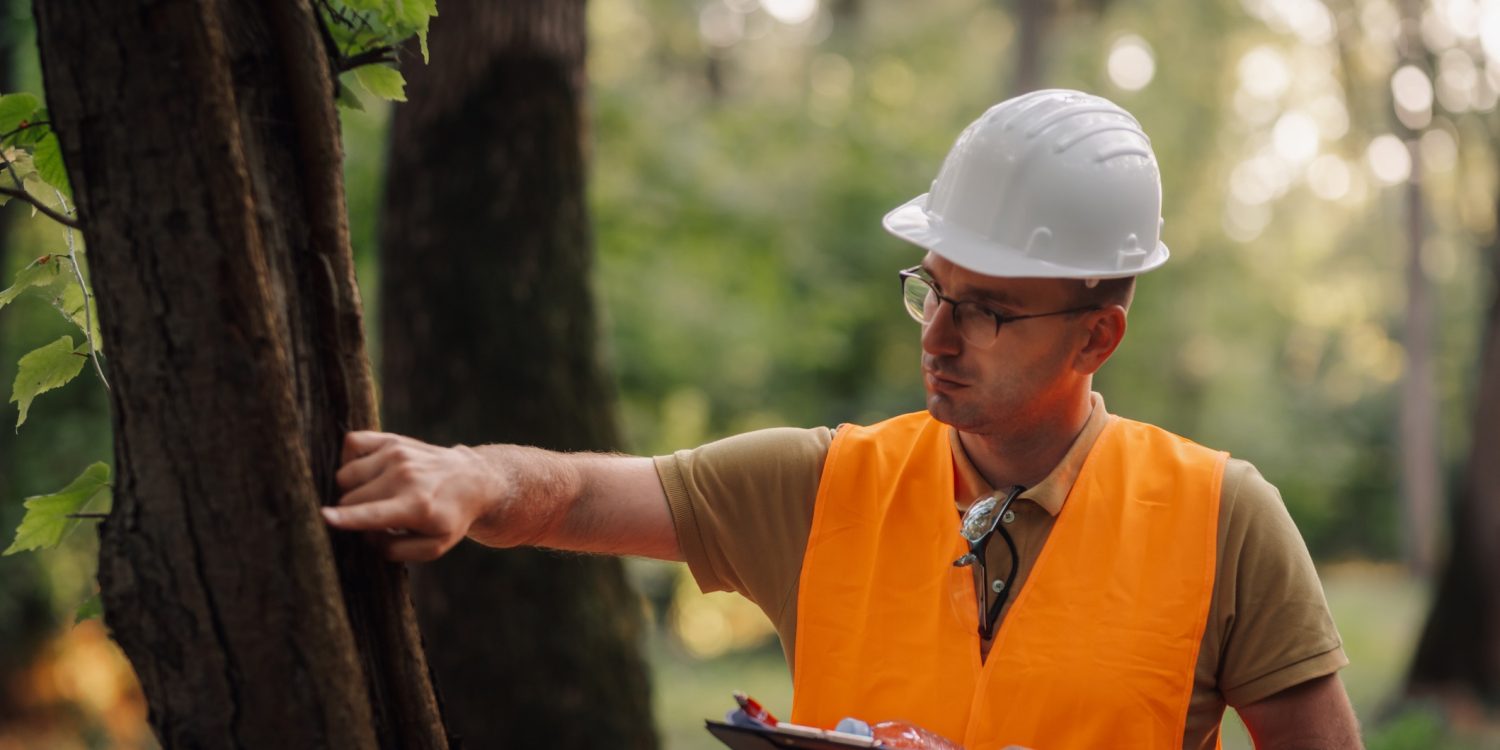
An arborist inspection gives you a clear picture of what is actually happening inside, around, and beneath your trees. Trees communicate constantly through the way they grow, how their bark behaves, and where they show stress. Most tree problems begin years before homeowners notice them. An arborist inspection helps identify structural defects, decay, disease, and site-related stress before they become major safety or health concerns.
At J&C Tree Services, we work with trees across Toronto and the GTA every day. We’re not guessing at problems. We’re recognizing patterns we’ve seen hundreds of times, across dozens of species, on every kind of property this region has to offer.
What Can an Arborist Inspection Tell You?
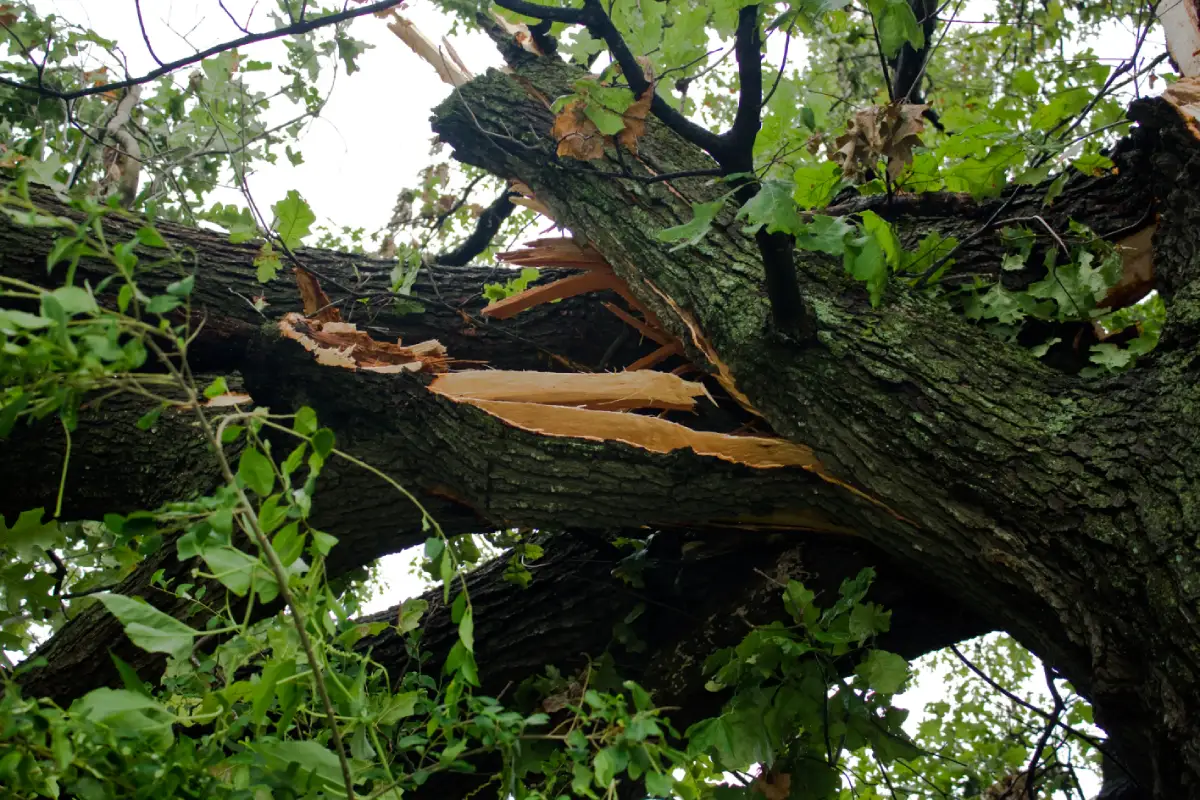
An arborist inspection can identify structural defects, decay, disease, pest activity, root problems, safety risks, and signs of environmental stress. It can also determine whether a tree needs pruning, monitoring, treatment, or removal based on its condition and location.
What Does an Arborist Actually Do?
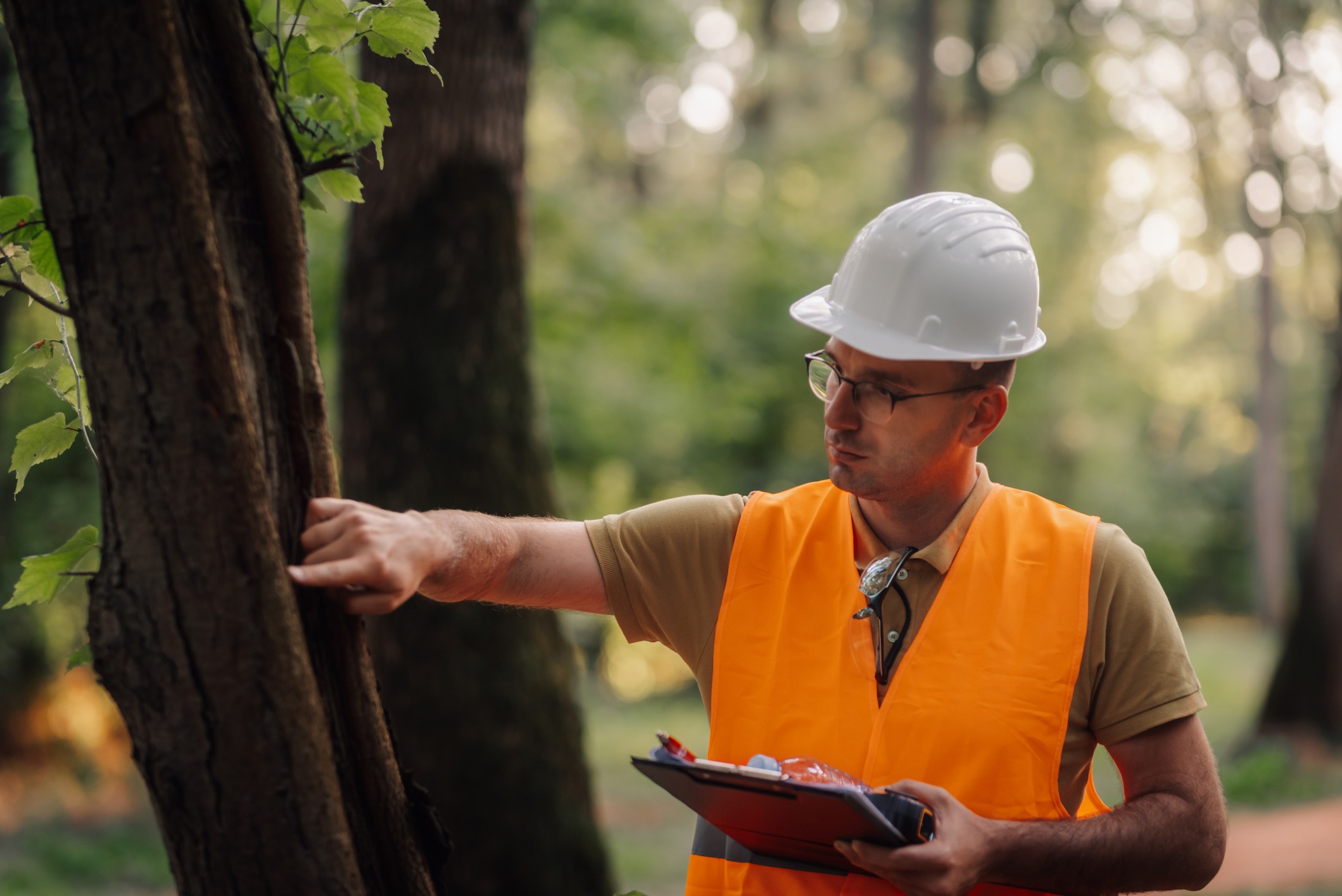
What does an arborist do when they arrive at your property? They start observing before they even step out of the truck, including the angle of a lean, canopy density in mid-summer, whether the grass beneath a tree is dying in a ring or a patch. On the ground, we’re checking trunk flare, looking for decay, assessing co-dominant stems and included bark, and evaluating overall vigor. During an arborist inspection, we look at the whole picture before drawing any conclusions, because individual symptoms rarely tell the full story on their own.
How A Tree Professional Reads a Tree
Trees don’t hide problems. They display them. A crack running vertically along a trunk is very different from one running horizontally. Deadwood at branch tips often signals stress at the root zone, not the canopy. Fungal conks at the base are almost never cosmetic. They’re the visible sign of internal decay that may have been progressing for years.
Bark inclusions, where bark grows into a union between two stems rather than forming a strong collar around it, are one of the most common structural defects we find in Toronto’s urban trees. They look fine from a distance. Up close, they tell a very different story about the long-term stability of that tree.
A Mallet Tap Test Finds What We Can’t See
One of the most practical tools in a field assessment is a mallet. We tap along the trunk and primary scaffold branches, listening to how the sound changes. Solid wood returns a sharp knock. A section with internal decay or a void returns a dull, hollow tone. This helps identify areas that may contain internal decay or voids and indicates where further investigation may be warranted.
The interpretation takes experience. Wood density, stem diameter, and the depth of a suspected void all affect how the sound reads. A Norway maple and a red oak of the same diameter sound different even with identical internal conditions. During an arborist inspection, the tap test guides where we look more closely. Other indicators confirm what we find.
How Does An Arborist Assess Risk From Trees?
Tree risk assessment follows a structured framework called TRAQ, the Tree Risk Assessment Qualification. It separates risk into two distinct factors: likelihood of failure and consequence of failure. Both are evaluated independently before being combined into an overall rating.
Likelihood of failure comes from structural defects, decay, root damage, crown loading, and included bark. Consequence of failure comes from site conditions: what’s in the target zone, how often it’s occupied, and what the impact would be if a specific part of the tree failed. A tree with moderate structural issues sitting over a patio that’s used daily demands a very different response than a tree with significant decay sitting over an empty corner of a yard. That precision is what a proper assessment provides, and it keeps recommendations proportionate to actual risk.
Crown Ratio, What It Is and What It Tells Us
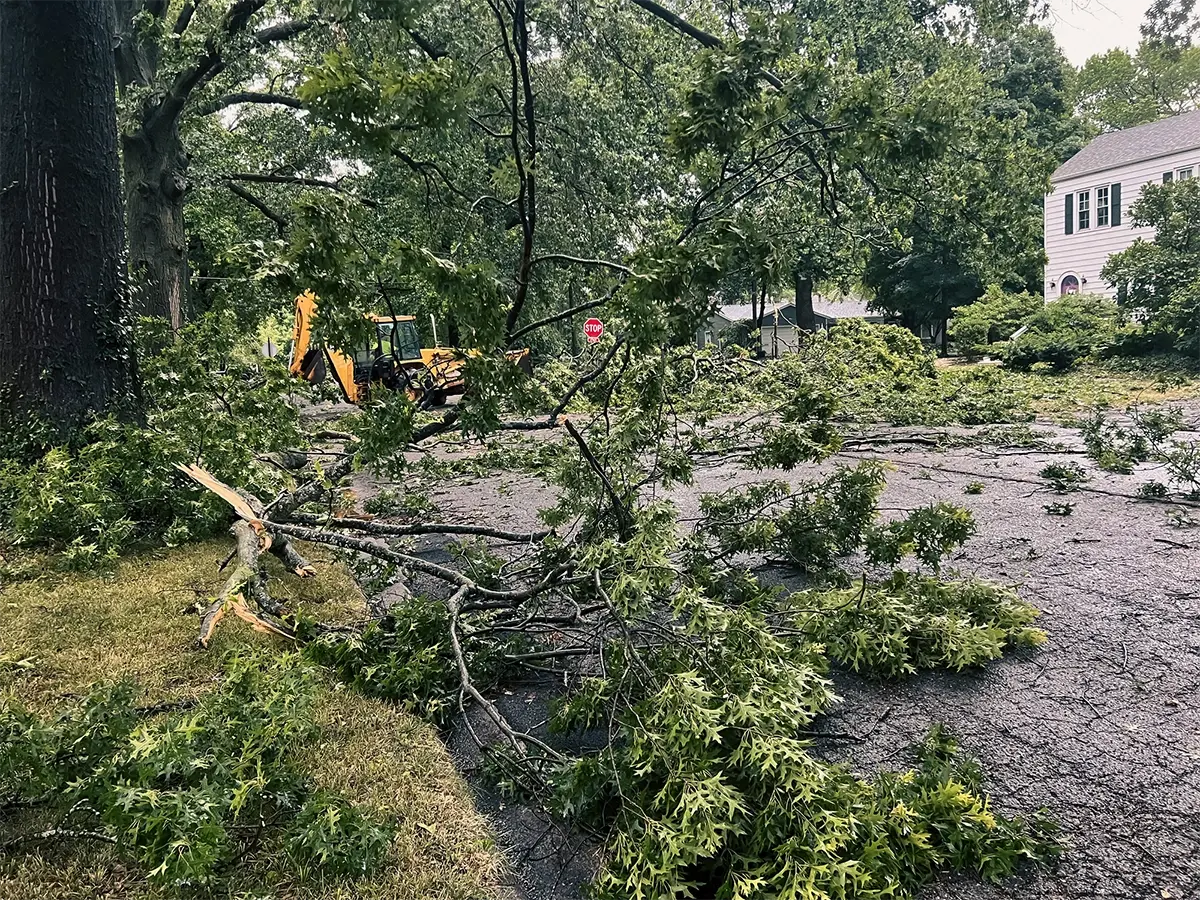
Crown ratio is the proportion of a tree’s total height occupied by a living canopy. It tells us how much energy the tree has in reserve to recover from pruning, compartmentalize decay, or push new growth. Trees that have lost a significant portion of their live canopy often struggle to recover from additional stress, whether that’s storm damage, pruning, or disease.
Crown balance is a key factor as well. A canopy with significantly more mass on one side than the other places lateral stress on the trunk and root system that a well-balanced crown doesn’t generate. When we assess ratio and balance together, we’re calculating what the tree can actually handle before we recommend anything.
Common Problems With Trees in Toronto and the GTA
Toronto’s urban trees face specific pressures: compacted soil from construction, de-icing salt damage along driveways and streets, shallow root zones from buried services, and a high concentration of susceptible species.
Emerald ash borer has hit this city hard, and many affected trees are still standing, some treated successfully, others declining in ways that don’t look obvious until you know the signs.
Construction damage is another consistent problem. Root zone compaction, grade changes, and severed structural roots take years to surface, and by the time a tree starts visibly declining, the damage is done.
Can an Arborist Inspection Identify Tree Diseases and Pests?
Yes, and it’s one of the more common reasons homeowners in Toronto and the GTA reach out to us. We identify issues by reading a combination of signs: discolouration or premature leaf drop, unusual bark texture, dieback patterns, exit holes, sticky residue on leaves, and the presence of specific fungi or insects.
Emerald ash borer, for example, leaves S-shaped galleries under loose bark and a very specific pattern of upper crown dieback. Anthracnose shows up as irregular brown patches along leaf veins after a wet spring. Cytospora canker appears as sunken, discoloured patches on bark with resin oozing from the margins. Each condition has its own set of indicators, and knowing which species is affected narrows the field considerably.
For a homeowner, the signs worth paying attention to are leaf drop outside of fall, branches dying back from the tips, bark that is cracking, peeling, or weeping in an unusual way, or any visible insect activity on the trunk or major branches. If you’re seeing any of those, it’s worth getting eyes on the tree before the growing season advances. Catching a disease or infestation early almost always expands your options, and in some cases makes the difference between treatment and removal.
What Happens After an Arborist Inspection
After we’ve done our inspection, we walk through our findings with you directly. Not every problem requires immediate action. Some trees need monitoring over a season or two, while others need pruning to reduce load on a compromised structure. A smaller number may even need to be removed.
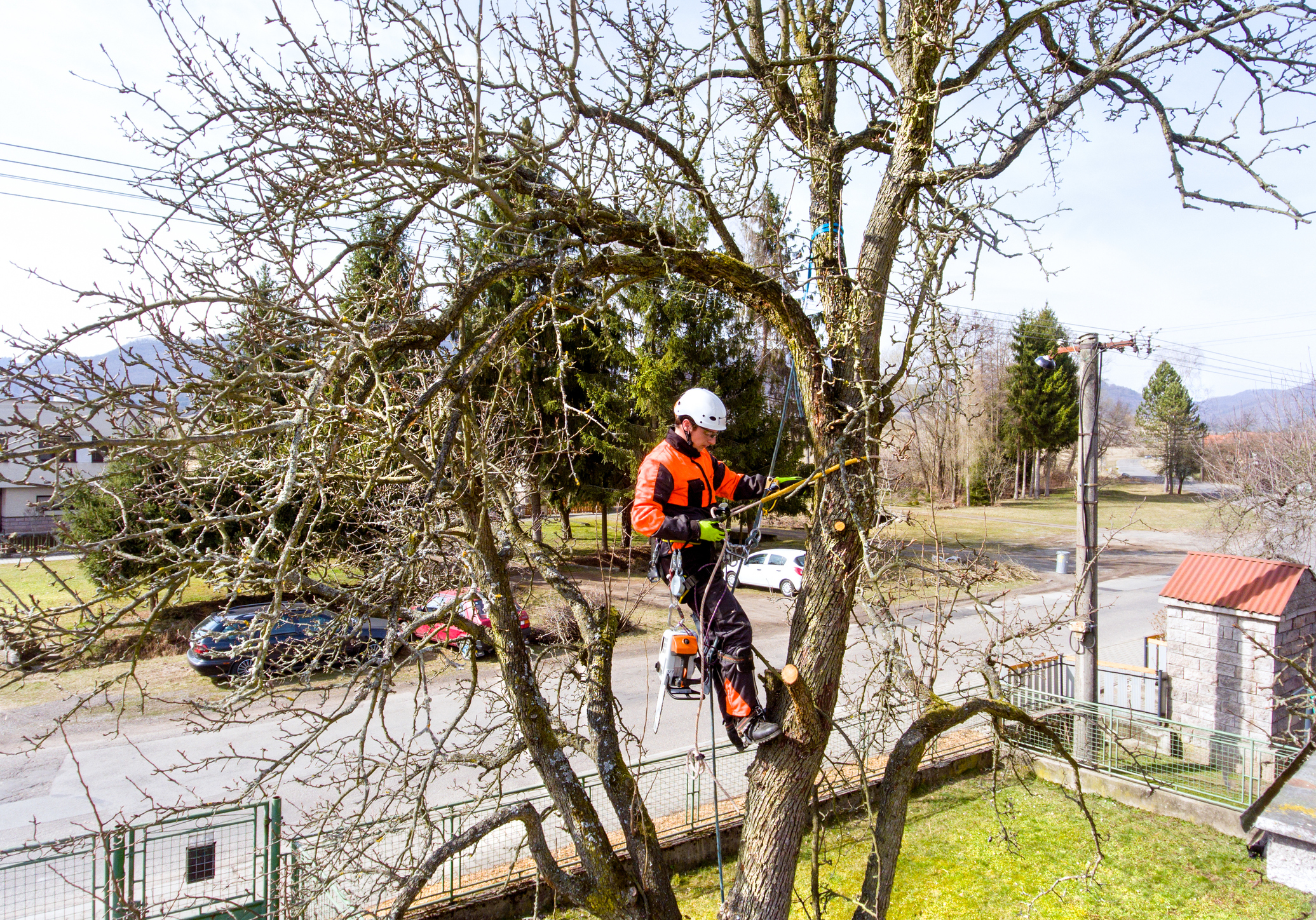
When pruning is recommended, we explain the specific objective, whether that’s deadwood removal, crown reduction, structural pruning, or clearance from a structure, so you understand what’s being done and why before we touch anything.
Working With The Professionals at J&C Tree Services
At J&C Tree Services, we work throughout Toronto and the GTA, on everything from single-tree consultations in a downtown backyard to full property assessments on larger lots. If you have trees you’re uncertain about, or trees that haven’t been looked at in a few years, an arborist inspection is the right place to start.
Contact J&C Tree Services at 416-997-7280 to schedule your inspection. We’ll give you a straight read on what you have, what it needs, and what it will take to keep your trees healthy and safe.