Toronto winters place intense physiological and structural stress on urban trees. Prolonged freezing temperatures, heavy snow loads, ice accumulation, and repeated freeze-thaw cycles can compromise a tree’s structural integrity long before visible symptoms appear.
This is why early spring is the most important time of year to schedule safe and professional tree removal services in Toronto. Once snow has melted and deciduous trees remain leafless, arborists can properly evaluate branch architecture, trunk integrity, and root stability without canopy obstruction.
At this stage of the season, experienced tree professionals can identify winter-related structural defects, assess failure risk, and determine whether corrective pruning, structural support, or full removal is required. In many cases, addressing these issues before spring storms arrive prevents property damage and significantly reduces safety hazards.
For homeowners across Toronto’s older neighbourhoods—where mature canopy trees often grow near homes, garages, and hydro lines—spring inspections play a critical role in maintaining both property safety and long-term tree health.
How Toronto Winters Quietly Damage Otherwise Healthy Trees
Winter damage rarely happens all at once. In most cases, it develops gradually as environmental stress accumulates over several months.
Snow loads can add thousands of pounds of weight to large scaffold limbs. Ice accumulation increases bending stress along branch unions, particularly on trees with weak attachment angles or included bark. Meanwhile, extreme temperature fluctuations cause the moisture inside a tree’s xylem cells to expand and contract, creating internal pressure within the wood.
When tree professionals perform spring inspections, they frequently encounter several types of structural winter damage. Frost cracks often develop along the trunk as rapid temperature fluctuations cause differential expansion between the inner wood and outer bark, resulting in vertical splits that can extend deep into the trunk. Heavy snow accumulation can lead to snow-load limb fractures, placing significant mechanical stress on horizontal branches, particularly in species with brittle wood or long lever arms. Freeze-thaw cycles in the soil may cause root plate instability, as repeated expansion and contraction loosen the root system and reduce overall anchoring stability. Additionally, trees growing near roadways or sidewalks are often exposed to de-icing salts, which can increase soil salinity, interfere with root water uptake, and weaken sensitive species such as sugar maple, further compromising their structural integrity.
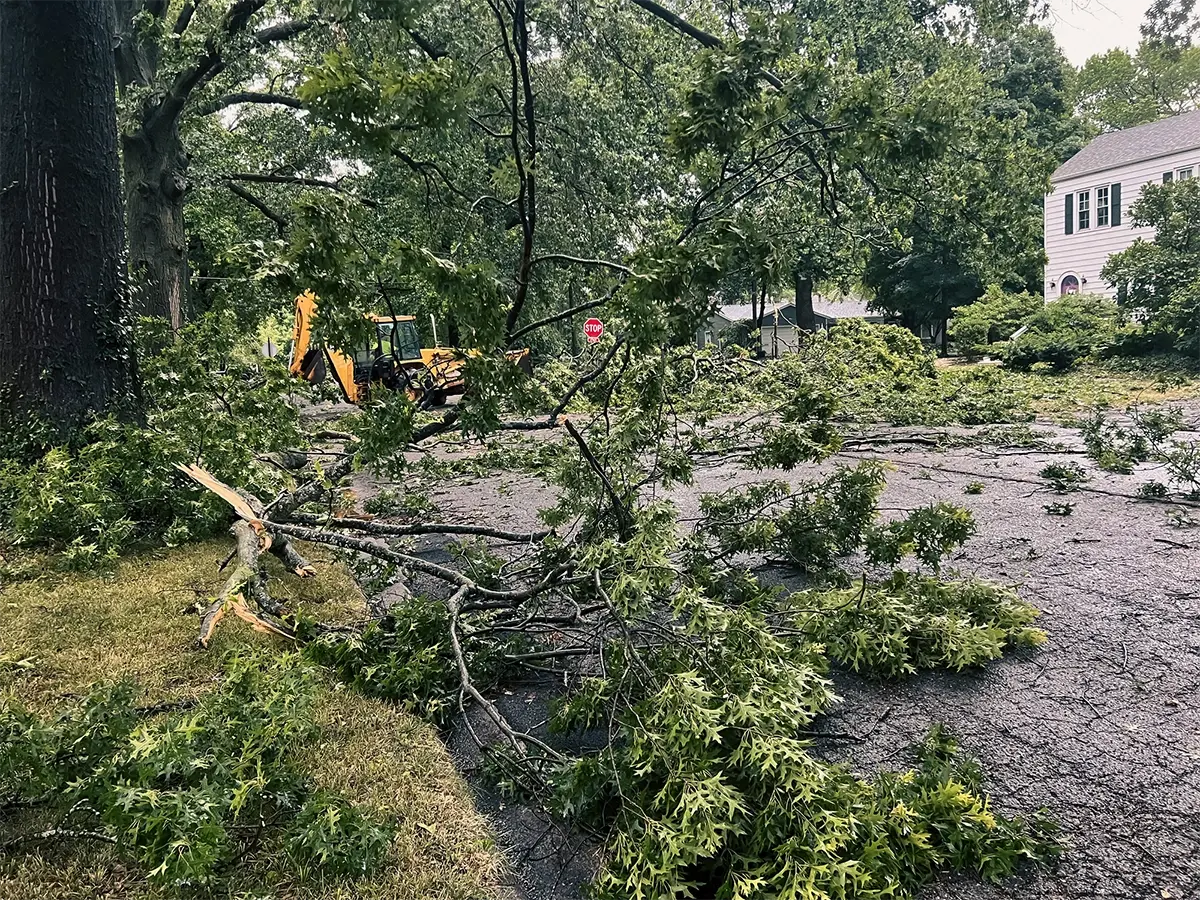
While many trees can tolerate moderate winter stress, structural defects affecting major limbs or the trunk significantly increase the likelihood of catastrophic failure during spring windstorms. When this level of damage is identified, safe and professional tree removal services in Toronto may be the most responsible solution.
What Structural Warning Signs Arborists Look for After Winter
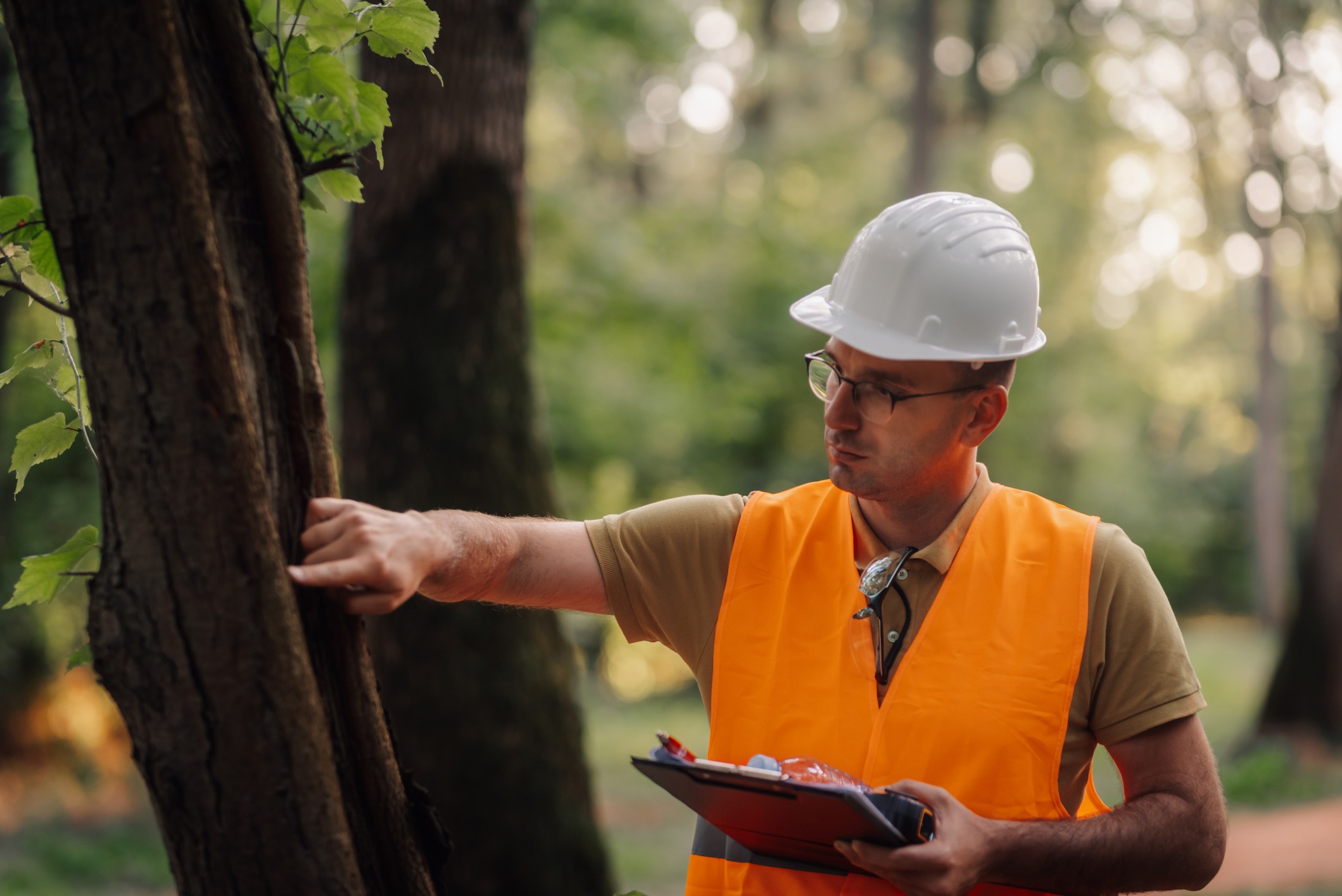
A professional tree risk assessment involves much more than a quick visual check. Arborists evaluate the tree’s structural stability, biological health, and failure potential using industry-recognized inspection methods.
During a spring inspection, several warning signs indicate that a tree may be unsafe or in advanced decline.
Deep Vertical Trunk Cracks
Large vertical cracks are often associated with frost cracking caused by extreme temperature fluctuations during winter. These cracks frequently occur on the south or southwest side of the trunk where daytime sun warms the bark before temperatures rapidly drop at night.
When a frost crack penetrates deeply into the sapwood, it can weaken the tree’s structural column and create a pathway for decay organisms to enter the trunk.
Hanging or Partially Detached Limbs (“Hangers”)
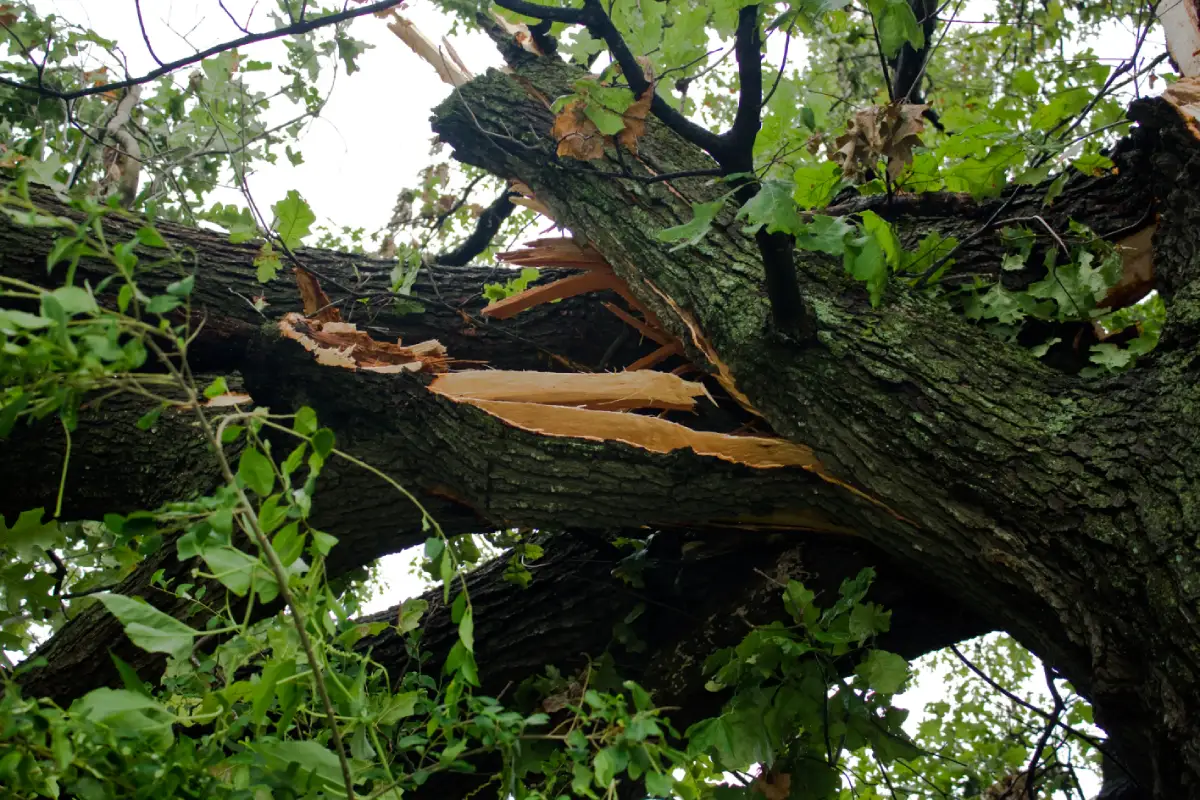
Branches that have fractured but remain lodged in the canopy are among the most dangerous hazards arborists encounter in early spring.
These partially broken limbs may be supported only by small strips of bark or neighboring branches. As temperatures warm and wood fibers continue to weaken, these “hangers” can fall unexpectedly.
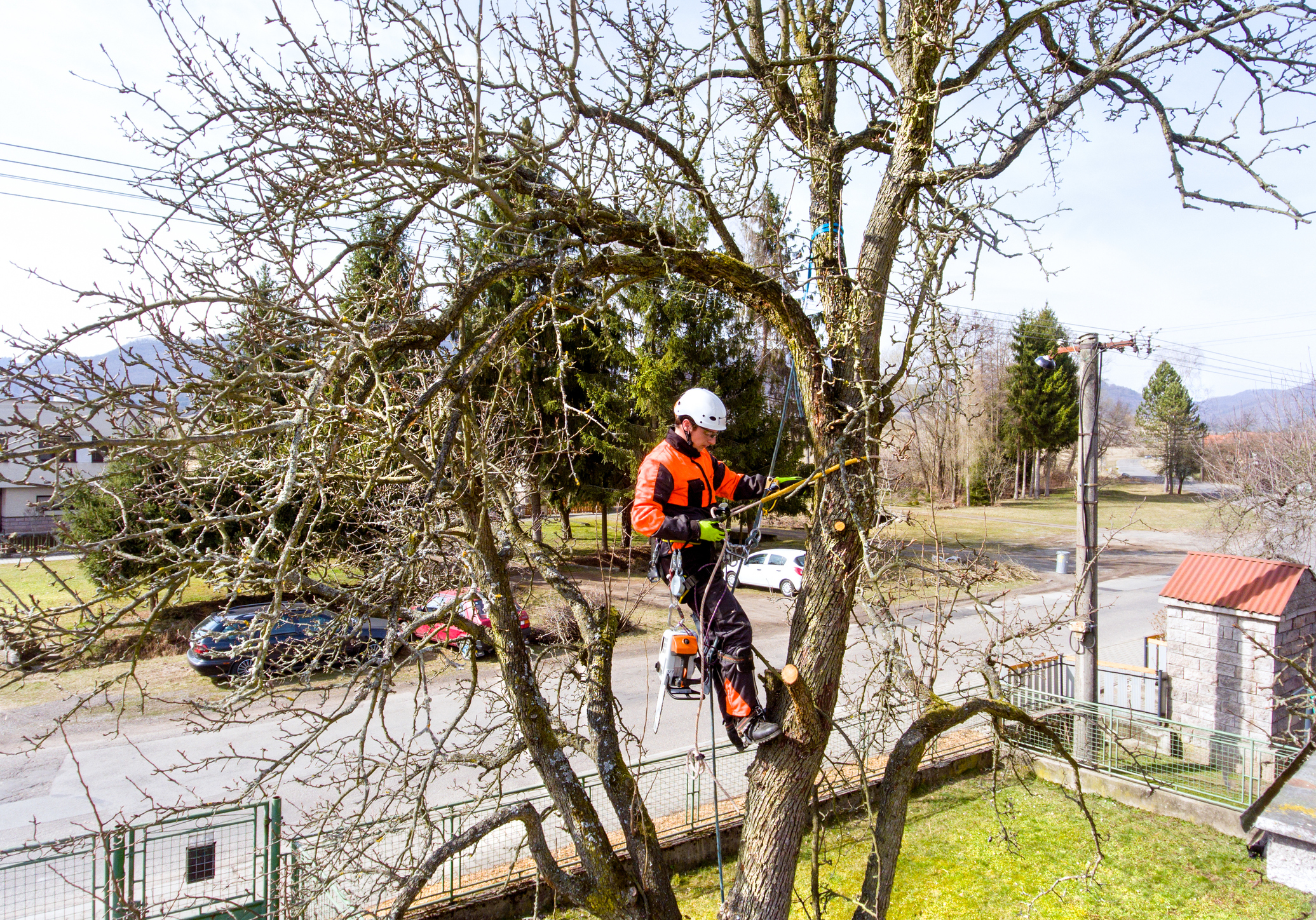
Removing these hazards safely often requires specialized climbing techniques, rigging systems, and controlled lowering methods.
Fungal Fruiting Bodies Near the Root Flare
The presence of mushrooms or fungal conks around the base of a tree often indicates internal wood decay within the root system or lower trunk.
Decay fungi break down lignin and cellulose within the wood structure, significantly reducing the tree’s load-bearing strength. When root decay progresses, the entire tree can become susceptible to windthrow.
In these situations, safe and professional tree removal services in Toronto may be necessary to eliminate the hazard before structural failure occurs.
Sudden Leaning After Winter Storms
A tree that develops a noticeable lean following winter weather may have experienced root plate movement.
Heavy snow loads, saturated soil, and strong winds can cause the root system to partially lift or shift underground. If the root plate becomes compromised, the tree’s anchoring system may no longer be stable.
Professional arborists assess lean severity, soil heaving, and root exposure to determine whether stabilization is possible or removal is the safest option.
Hollow Trunks or Large Cavities
Trees can survive with some internal decay, but when cavities become extensive they reduce the amount of sound structural wood supporting the trunk.
Urban arborists often apply the 30 percent rule, meaning if more than roughly one-third of the trunk’s diameter is hollow or decayed, the risk of structural failure increases substantially.
When large cavities are combined with other defects—such as heavy canopy weight or nearby structures—removal is often recommended.
Dead Branches That Fail to Leaf Out in Spring
When large portions of a tree’s canopy fail to produce new leaves in spring, it usually indicates dieback within the vascular system.
Dead branches increase the likelihood of limb drop during wind events and may also signal deeper root stress, disease, or internal decay within the trunk.
Professional tree assessments determine whether selective pruning can restore the tree’s structure or whether removal is required for safety.
Why Winter-Damaged Trees Should Be Assessed by Professionals
Southern Ontario experiences dramatic winter temperature fluctuations. It’s not uncommon for temperatures to shift from -15°C to above freezing within just a few days.
These rapid swings create ideal conditions for frost cracking, bark splitting, and structural limb stress—particularly in mature urban species such as maple, ash, and ornamental flowering trees.
Additionally, snow and ice loads can produce internal fractures within branches that are not immediately visible from the ground. These hidden defects often become apparent only during professional inspections.
Using safe and professional tree removal services in Toronto ensures that these hazards are properly evaluated and addressed before they result in falling limbs or property damage.
Understanding Toronto’s Tree Removal Bylaws
Toronto has strict urban forestry regulations designed to protect the city’s tree canopy.
In many cases, removing a tree with a trunk diameter greater than 30 cm requires a permit. Trees located on city property or within designated ravine protection zones are protected regardless of size.
Professional tree companies frequently assist homeowners with permit applications, arborist reports, and compliance with city bylaws before beginning removal work.
Working with professionals ensures that tree removal is completed legally and responsibly.
Tree Removal Requires Specialized Equipment and Skilled Crews
Removing large trees in dense urban environments is a complex and highly technical process.
Professional crews rely on specialized equipment such as:
- Arborist climbing systems and safety harnesses
- Rigging ropes and mechanical lowering devices
- Chainsaws designed specifically for arboriculture
- Wood chippers and stump grinding equipment
- Aerial bucket trucks for high-access work
These tools allow arborists to dismantle trees in controlled sections, preventing damage to nearby homes, fences, gardens, and utility lines.
Attempting tree removal without proper training or equipment can be extremely dangerous, which is why homeowners should rely on safe and professional tree removal services in Toronto.
Why Early Spring Is the Ideal Time for Tree Inspections
Early spring provides numerous advantages for diagnosing structural issues and planning tree maintenance. With the canopy still leafless, arborists can clearly evaluate branch architecture, attachment angles, cracks, and other structural defects that might otherwise be hidden. This is also the time when many pests and fungal pathogens become active, allowing for early detection and targeted treatment before they spread further. Winter often leaves behind broken branches or weakened limbs that may fail during spring windstorms, so addressing these hazards early helps prevent unexpected damage. Strategic pruning during this period promotes healthy growth, improves canopy structure, and enables wounds to close quickly as the tree enters the growing season. Additionally, spring inspections allow arborists to assess soil health, apply mulch correctly, and correct nutrient deficiencies that may have resulted from winter leaching, supporting robust root development. Identifying structural defects, disease, or pest issues at this stage is far less costly than dealing with emergency removals or storm-related property damage later in the year. After a long winter of heavy snow and ice, early spring is therefore the optimal time to evaluate the condition of trees on a property, allowing arborists to thoroughly inspect the canopy, trunk, and root system and determine whether pruning, stabilization, or removal is required.
The experienced team at J&C Tree Services provides safe and professional tree removal services in Toronto, along with structural pruning, hazard assessments, and seasonal tree care.
Contact our team today to schedule a spring tree inspection and ensure your trees are safe, healthy, and prepared for the growing season.