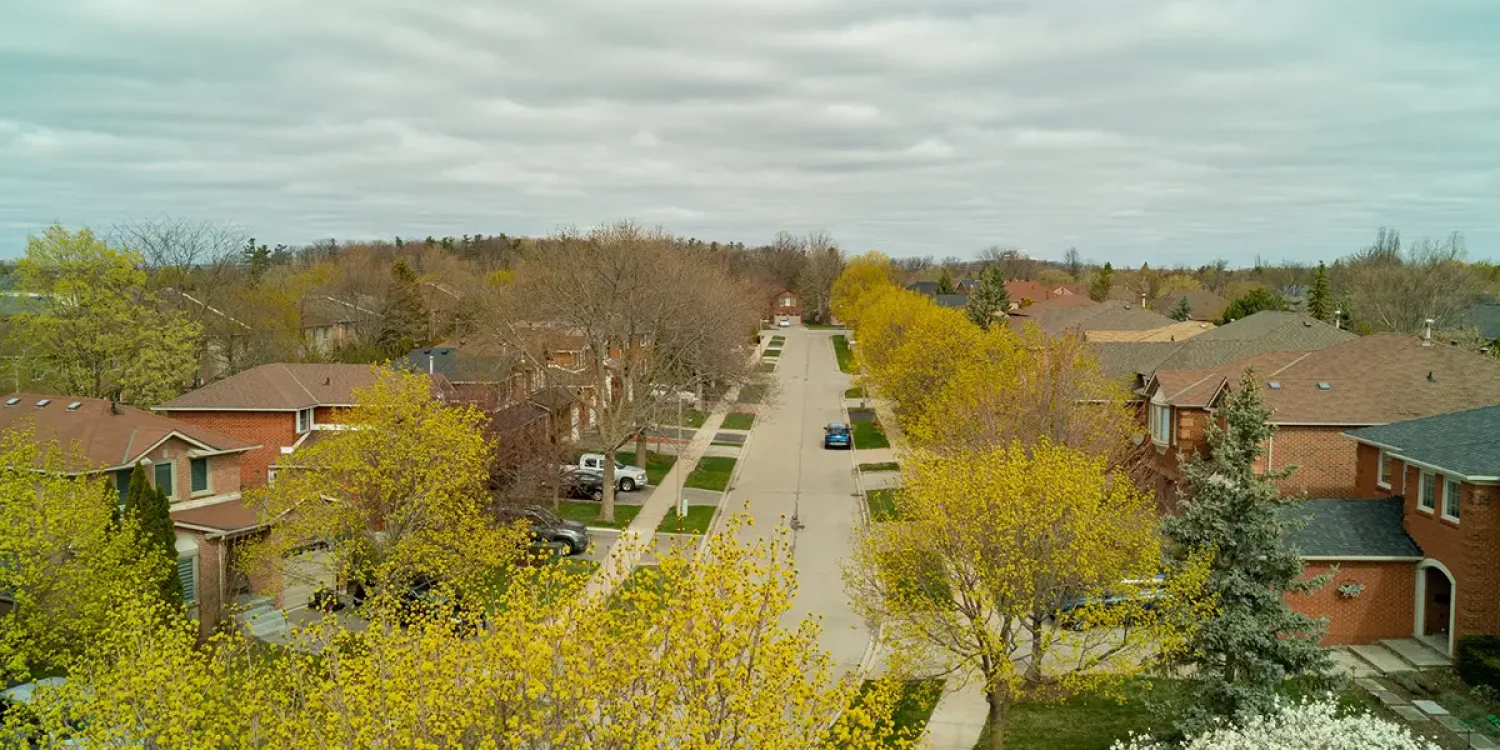
Professional spring tree maintenance is one of the most important steps Toronto homeowners can take to protect their trees after a long winter. Spring represents a critical window for tree care in Toronto. After a long winter, trees begin to awaken from dormancy, and the subtle effects of ice, snow, and fluctuating temperatures can compromise branch strength, canopy structure, and overall vitality. Early spring is the ideal time for professional pruning because arborists can evaluate trees thoroughly, identify structural weaknesses, and take corrective action before leaves obscure the canopy. When done correctly, pruning at this time is not only preventive—it sets the tree up for a season of healthy growth while minimizing the risk of branch failure or pest invasion.
Setting up a schedule with J&C Tree Services for professional tree maintenance, starting in the spring, will set your trees up for a beautiful display this growing season.
Assessing Tree Structure: Seeing Beyond the Surface
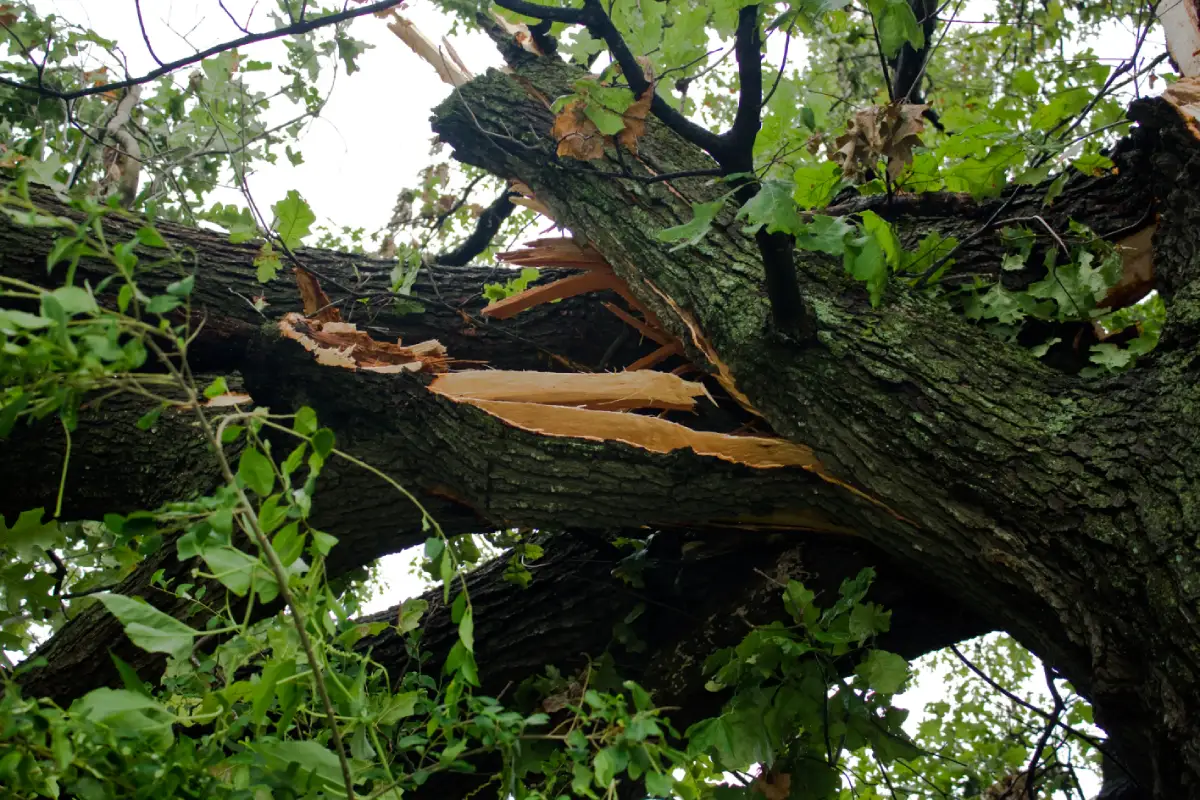
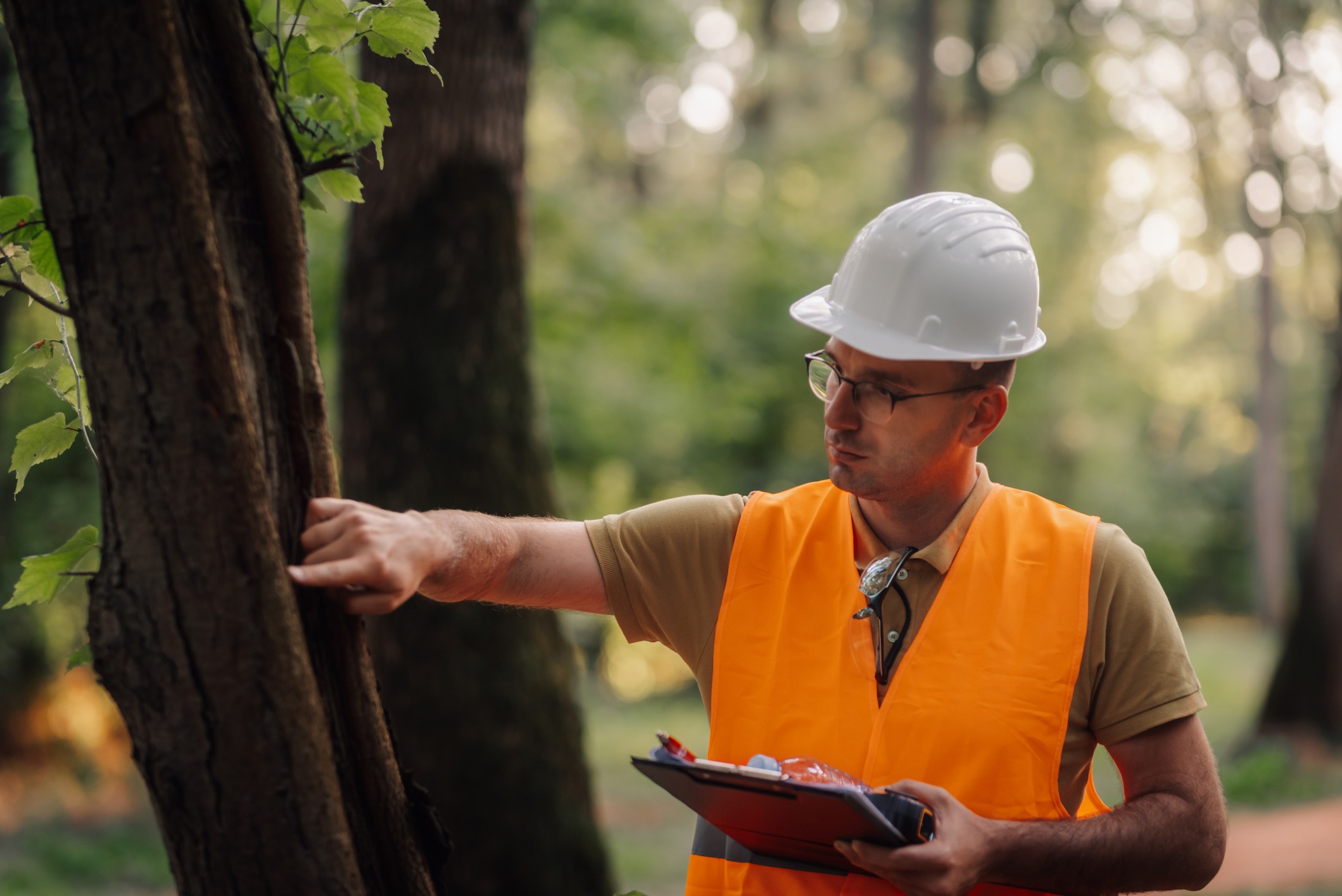
A seasoned arborist begins with a detailed visual assessment of each tree, looking beyond what is visible from the ground. Trees often appear healthy, but hidden damage can persist from winter stress. Branches may have developed small fractures under snow and ice weight, union points can weaken, and bark can split from freeze-thaw cycles. These defects are particularly common in older urban trees, where prior pruning, limited soil space, or environmental stress have already affected structural integrity.
During inspection, arborists pay close attention to weakly attached limbs, crossing branches, and scaffold structures. Branches that rub together may create wounds that invite pathogens, while included bark at unions often indicates a point of potential failure under wind or snow load. Even minor cracks in scaffold limbs or the trunk can worsen as the tree leafs out and canopy weight increases. Identifying these issues early ensures that pruning interventions are precise, targeted, and effective for homeowners across Toronto and surrounding communities.
For many this is also the time to address the root zone. Soil that has been compacted over winter or affected by salt can limit how well a tree absorbs water and nutrients. Simple steps like proper mulching and soil care can make a noticeable difference in how a tree performs through the rest of the year.
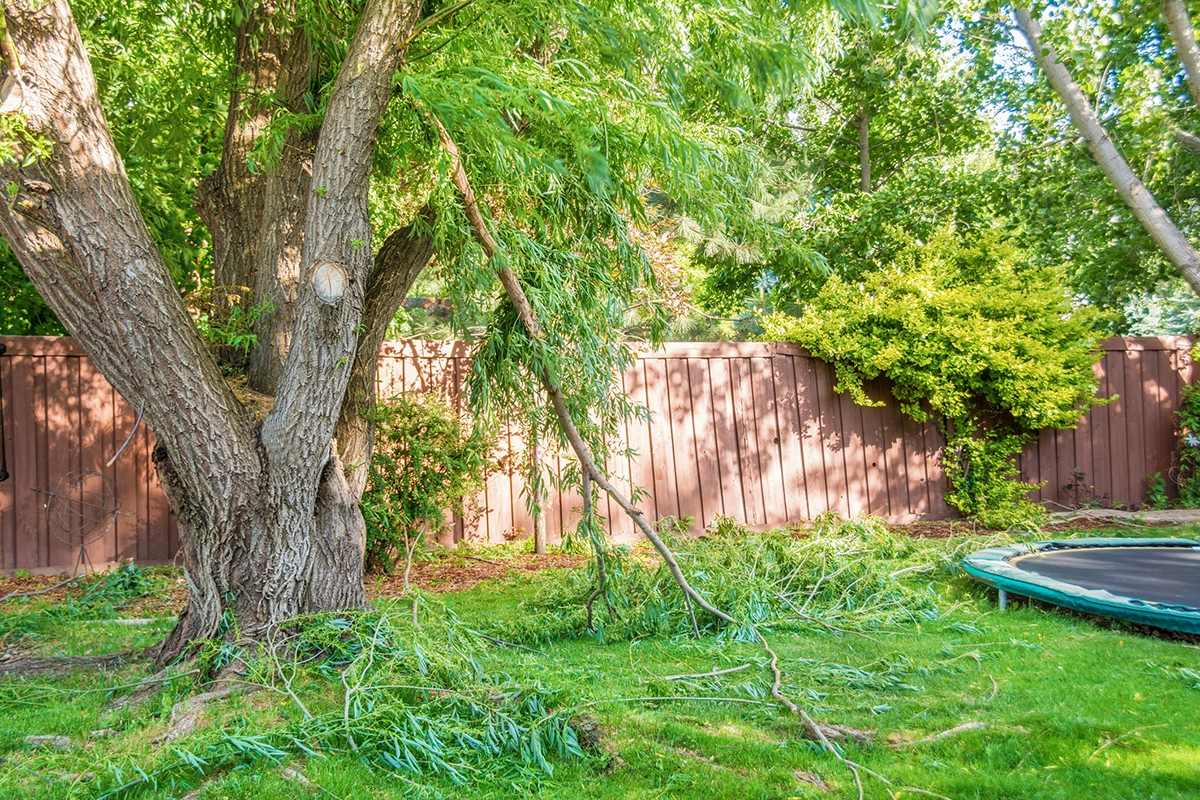
If you notice any of the following, it’s best to book an assessment with J&C Tree Services to get a professional opinion. If you are seeing a split trunk, hanging limbs, or early discolouration before trees around you have leafed out, that is usually a sign the damage goes deeper than surface-level and should be assessed right away. Depending on the type and extent of the damage, some plants can be saved but don’t try to do the saving yourself. This could cause additional damage that makes salvaging the tree impossible.
Pruning Techniques: Balancing Health and Structure
Pruning is not merely cutting branches; it is a calculated intervention that considers the tree’s biology, growth patterns, and long-term health. In early spring, deciduous trees are still dormant, which allows arborists to see branch architecture clearly. This timing also enables trees to respond optimally to pruning cuts once sap flow resumes, promoting faster wound closure and reducing vulnerability to pests and disease.
Experienced arborists focus on selective pruning—removing only what is necessary to improve structural integrity while maintaining the canopy’s photosynthetic capacity. Removing too many branches at once can stress the tree, leaving it unable to produce sufficient energy for new growth. Cut placement is critical: pruning just outside the branch collar encourages natural healing, while cuts into the collar or leaving stubs can delay closure and invite decay.
Species-specific considerations are essential. Flowering trees such as dogwoods and crabapples are better pruned after bloom to avoid removing flower buds, while oaks require careful timing to minimize the risk of oak wilt. Understanding these nuances ensures that pruning interventions prevent failure while preserving both the aesthetic and biological value of the tree.
The Risks of DIY Pruning
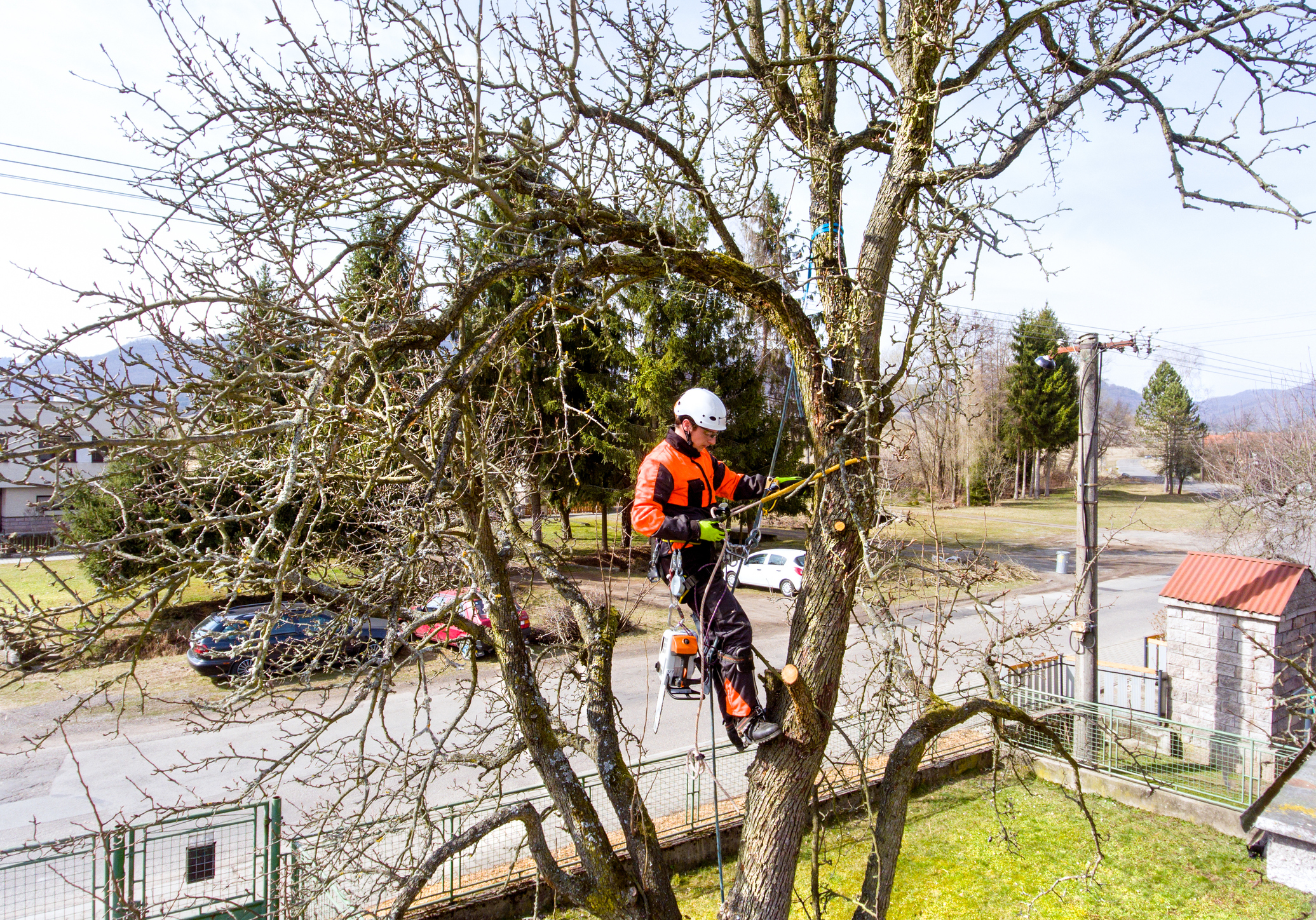
We often get calls after DIY pruning has gone wrong—improper cuts, torn bark, or over-pruning that leaves the tree stressed heading into peak growing season. There are also safety hazards when climbing ladders and using saws, or trimming large branches or trees near power lines. This is why it’s important to work with the professional tree trimming and removal experts at J&C Tree Services.
Homeowners may be tempted to prune themselves, but improper pruning can do more harm than good. Over-pruning reduces a tree’s energy reserves, while poor cut placement or topping can create permanent structural weaknesses. Attempting to climb or use chainsaws without proper training poses serious safety risks.
Professional arborists combine years of experience with specialized tools and techniques to ensure pruning is precise, safe, and tailored to each species. The goal is never to remove as much as possible but to strategically enhance structural integrity, reduce risk, and promote vigorous growth. This expertise distinguishes professional spring pruning services from casual trimming and ensures long-term benefits for both trees and property owners in Toronto.
Root Zone, Mulching, and Soil Care
Pruning alone is not sufficient for optimal tree health. Urban trees often face challenges in their root zone, including compacted soil, nutrient depletion, and exposure to road salts during winter. Spring offers the perfect opportunity to address these issues in conjunction with pruning.
Applying mulch around the base of the tree helps conserve soil moisture, moderate temperature fluctuations, and protect roots from mechanical damage caused by lawn equipment. Mulch should be applied carefully: 2–4 inches (~7–10 cm) is sufficient, and it should be kept 2–3 inches away from the trunk to prevent fungal growth. Fertilization at this time can replenish nutrients leached over winter, supporting new shoot development after pruning. In some cases, soil aeration or careful cultivation may be necessary to relieve compaction and improve water and nutrient uptake.
By attending to the root zone while pruning, arborists create conditions for stronger regrowth, enhanced canopy development, and improved resilience to environmental stress.
What You Need to Consider When Fertilizing Trees in Spring
Winter strips the soil of the vital nutrients needed by plants and trees to thrive. In the spring, have your soil tested to measure its pH levels to assess the quality of your soil and to promote proper regrowth of your trees. Once you’ve had your soil pH tested, it’s time to replace lost nutrients.
Applying a slow-release fertilizer in the spring feeds your tree, helps defend against pests, and prevents disease. Additionally, fertilizer will promote regrowth and can help a tree recover from winter damage.
How Mulching Your Trees Properly Prepares Them For Hotter Weather
Along with fertilizer, it’s important to apply mulch to your trees in the spring. In Toronto, this is especially important for young and newly-planted trees which are more vulnerable to dry soil.
Tree mulching in the spring improves soil quality, prevents weed growth, keeps the soil moist, protects the soil from extreme heat and cold, and prevents damage to trees by lawnmowers and trimmers. When applying mulch, protect the ground around the root area of a tree with 2-4 inches (~7-10 cm) of mulch, keeping it 2-3 inches away from the base of the tree to prevent fungus growth.
The Warning Signs That Tell You a Tree May Need to Be Removed
Trees rarely fail without warning but most of those warnings are missed from the ground. Identifying if a tree needs to be cut down involves looking for signs of severe winter damage, disease, or structural failure before the tree fully leafs out. Here are some key indicators that we often see in early spring inspections:
- The “Scratch Test” Failure: In early spring, scratch a small twig with your fingernail. If the layer underneath is brown and dry instead of moist and green, that part of the tree is dead.
- No New Buds or Leaves: If a tree fails to produce buds or leaf out while surrounding trees of the same species are budding, it is likely dead or dying.
- Fungus/Mushrooms at the Base: The presence of mushrooms or conks on the bark or at the root flare indicates internal wood rot and a high risk of failure.
- Significant Trunk Cracks: Deep splits or cracks in the main trunk can indicate that the tree is unstable.
- Extensive Deadwood: If more than 50% of the tree is dead or has hanging, brittle branches, it should be removed to prevent property damage.
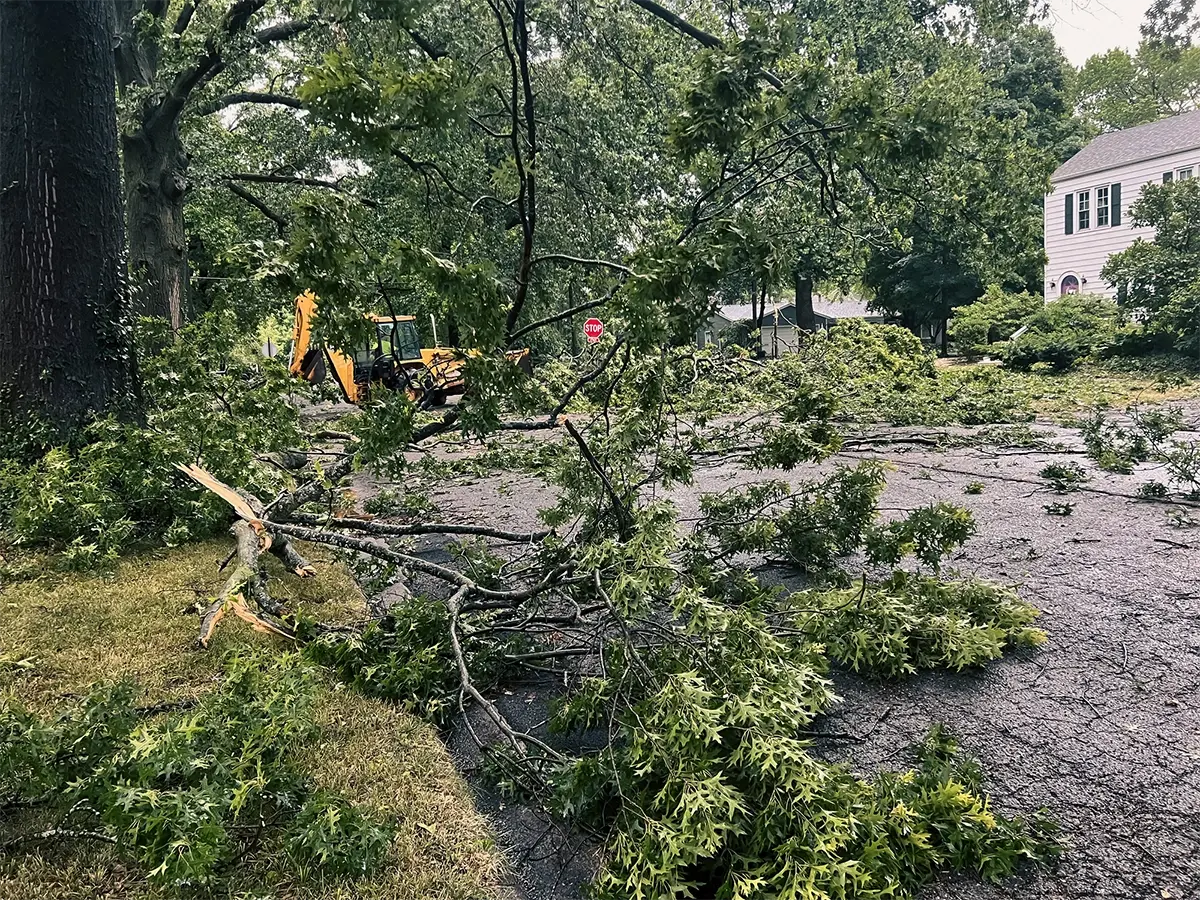
- Sudden Leaning: A tree that has suddenly started leaning, especially after a winter storm, often has compromised roots and is a major safety risk.
- Peeling Bark or Boring Holes: Large sections of missing or peeling bark can indicate insect infestations (like Emerald Ash Borer) or disease.
- If you see any of these signs, contact J&C Tree Services for a risk assessment, as dead trees are unpredictable and can fall without warning, particularly in windy conditions. Toronto has strict guidelines about tree removal and professional tree removal specialists know how and when these will apply.
A Year-Round Perspective on Tree Care
While spring pruning is critical, arborists consider the tree’s health throughout the year. Early spring is ideal for structural pruning, but late spring offers opportunities for mulching and pruning flowering species after bloom. Summer maintenance pruning helps refine canopy shape and monitor for pest activity, while autumn preparation—including removal of deadwood and protection of sensitive species—ensures trees enter winter in a resilient state.
By planning seasonal care around tree biology and growth cycles, arborists maximize the tree’s ability to thrive, reduce the likelihood of storm-related damage, and extend its life—whether it’s a mature maple in a Toronto backyard or a newly planted ornamental tree in the GTA.
How To Ensure Strong, Healthy Trees This Spring
Spring tree pruning services in Toronto are far more than cosmetic. Early-season assessment and careful pruning protect tree structure, encourage healthy growth, and reduce hazards to property and people. Coupled with root care, mulching, and species-specific strategies, professional pruning provides a comprehensive approach to proactive tree management.
For homeowners looking to safeguard trees and maximize their health, scheduling spring pruning with an experienced arborist ensures that interventions are precise, effective, and aligned with the natural growth cycle of each tree. This proactive care not only preserves the tree’s aesthetic value but also strengthens its resilience for seasons to come.
The team at J&C Tree Services provides professional tree maintenance across Toronto, including detailed inspections, expert pruning, and safe, efficient removals when needed. With the right tools and experience, they can identify issues early and recommend the best course of action for your property.
Booking early in the season ensures your trees are assessed before demand peaks and before small issues have a chance to turn into larger ones.