
Tree Cabling
& Bracing

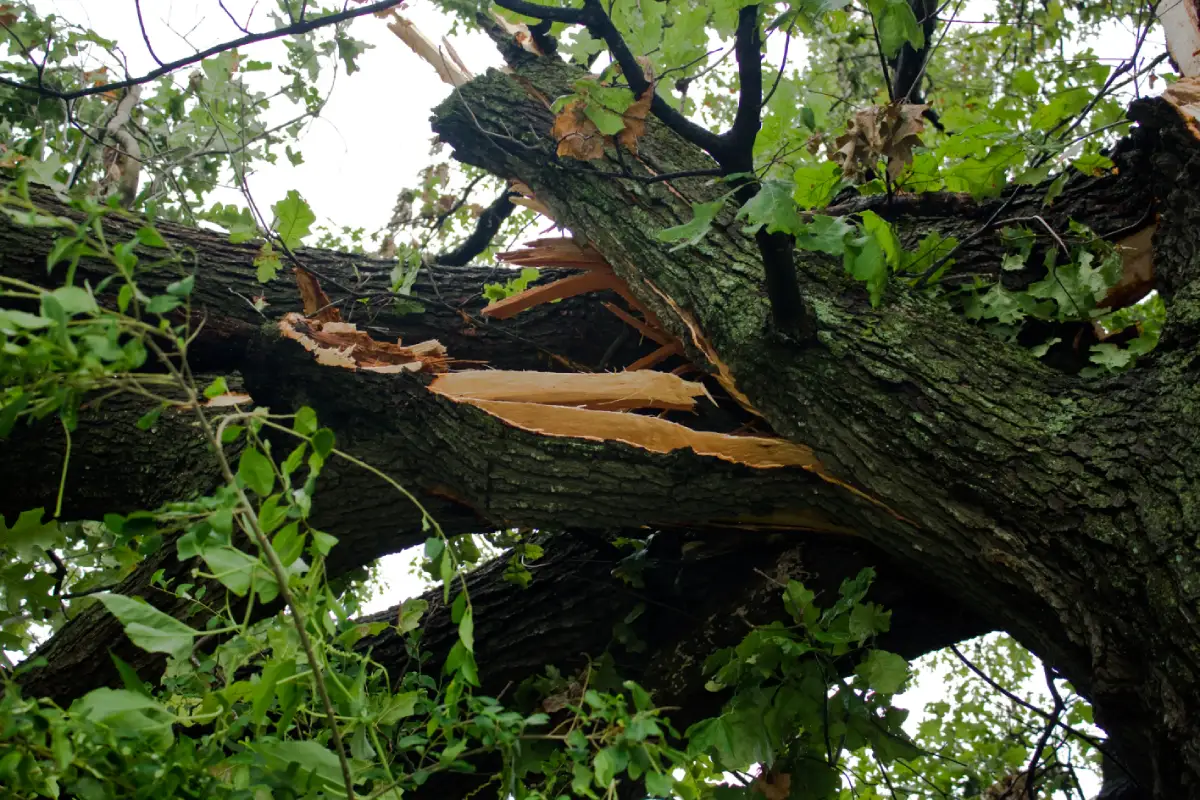


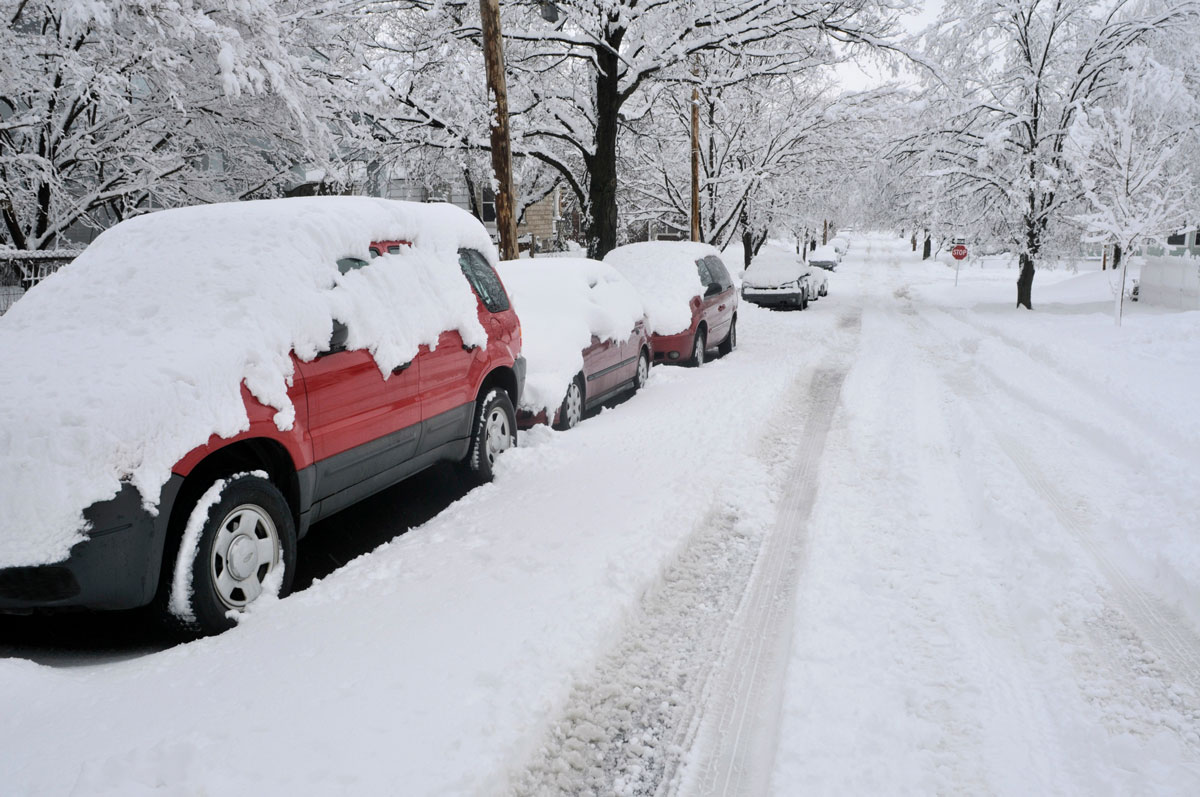
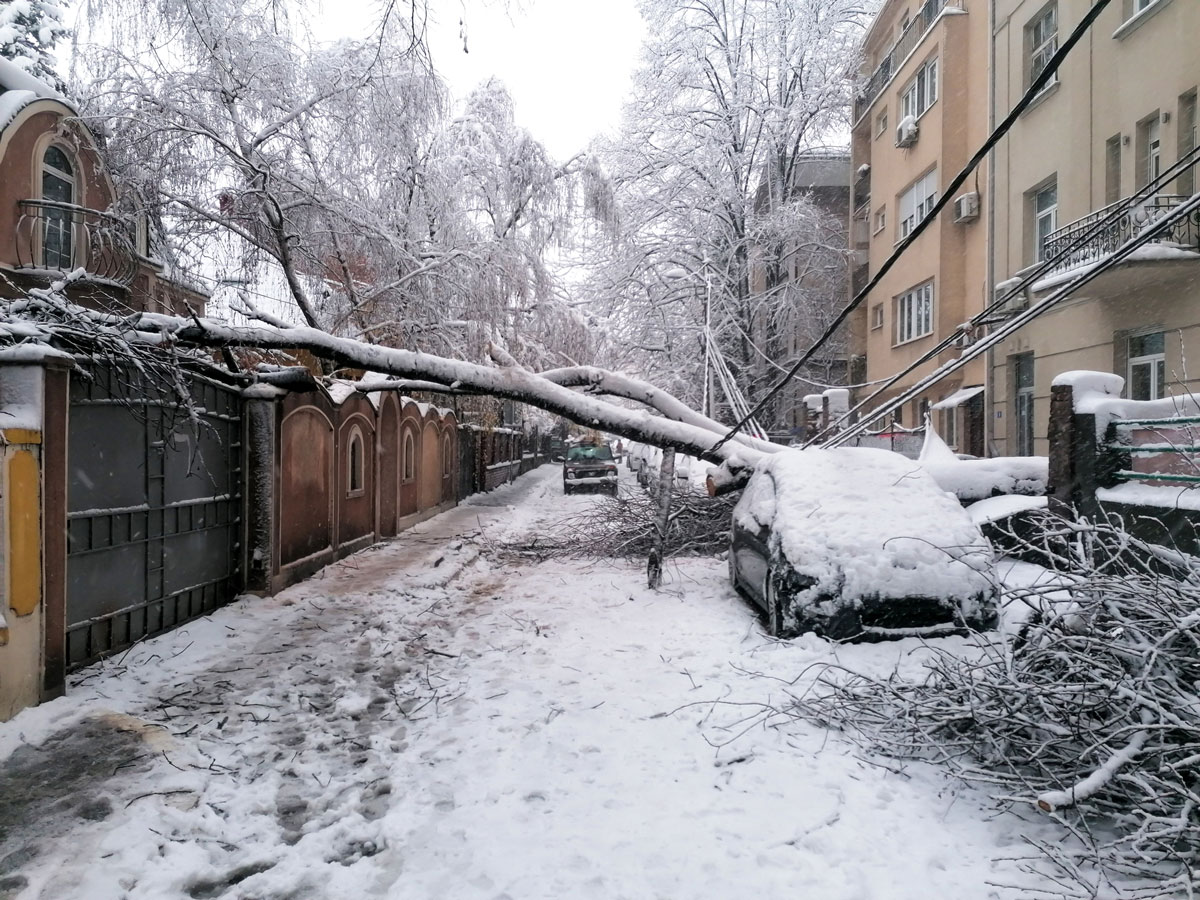
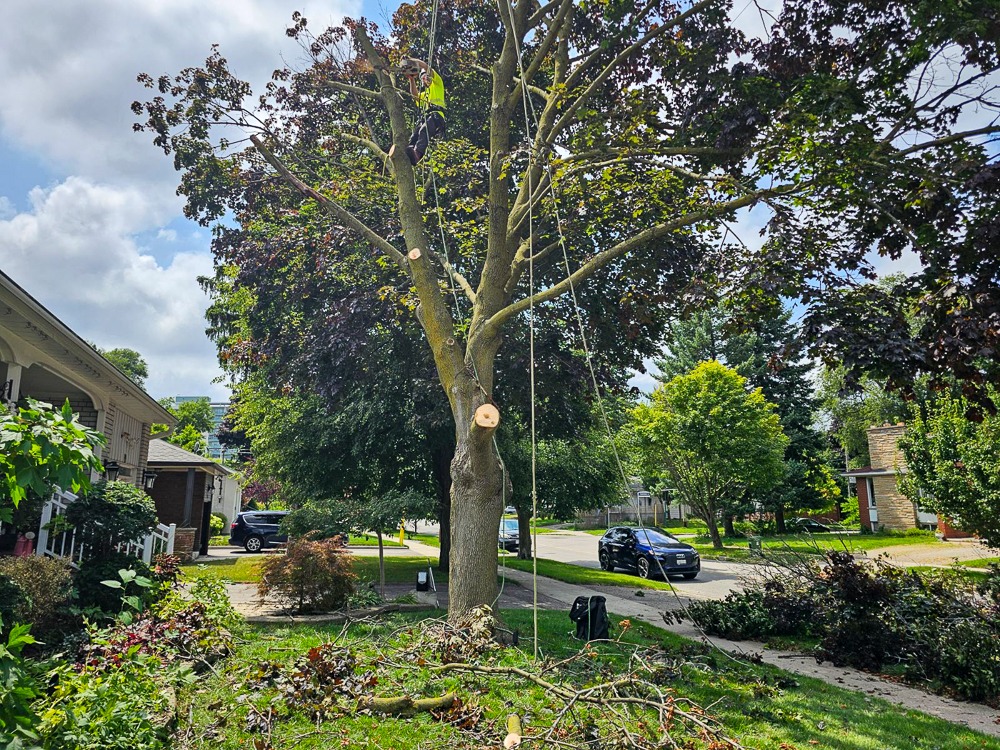

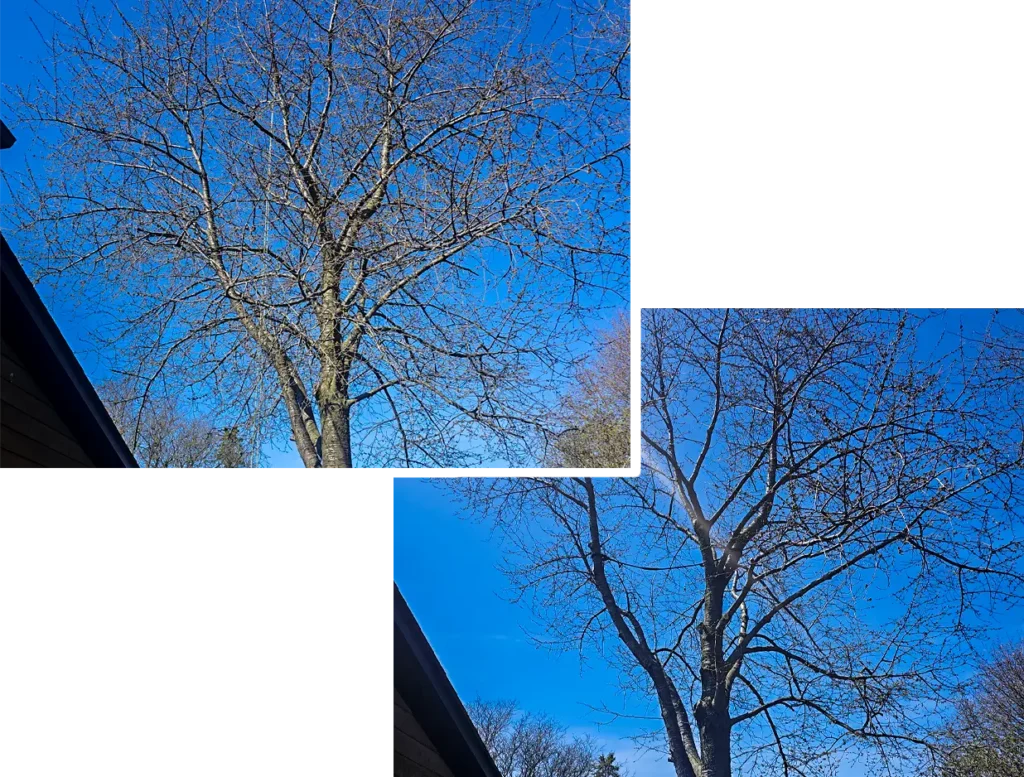
Trees change as they grow, and not always in ways that keep them structurally sound. A codominant trunk, a heavy limb that has grown further than it should, or years of snow load and windstorms can leave a tree with a weak point that a simple pruning cut cannot fix. Tree cabling and tree bracing give a structurally weak tree the support it needs to keep standing, often for years or decades longer than it would without help.
J&C Tree Services installs tree cabling and bracing systems for homeowners and businesses across Toronto and the Greater Toronto Area. For over 12 years, our arborists have supported trees through GTA winters, ice storms, and windstorms that would have taken a weaker system down.
The two terms often get used together, but they solve different problems. Tree cabling connects two or more branches, or a divided trunk, with steel cables installed high in the canopy, reducing how far they can move independently in wind and taking pressure off a weak union. Tree bracing works from the inside. Steel rods are installed through a trunk or a major branch union to hold a crack or split together directly, rather than limiting movement from above.
Many trees need both. A tree with a split trunk might get a brace rod through the split itself, paired with cables higher up to reduce the strain that caused the split in the first place. Our arborists decide the right combination after a hands-on assessment of the specific tree, not a standard package applied to every job.
A few signs tend to point to a tree that could benefit from added support.
Some of these signs are easy to spot from the ground. Others, like the internal condition of a trunk after a storm, need a trained eye to catch before they turn into a bigger problem.
Cabling and bracing only help a tree if the hardware is installed correctly. Cables set at the wrong height, or drilled through the wrong section of a branch, can put stress in the wrong place instead of relieving it, and a brace rod installed without accounting for how the tree will keep growing can end up doing more harm than good years later.
Our arborists use professional-grade steel cables, rods, and hardware, including turnbuckles and eye bolts rated for the load involved, and we check the whole system periodically as the tree grows and the seasons change. We are insured for the work we do, so installing hardware well above the ground on a mature tree is not a risk that lands on you.
Installing a cable system means selecting anchor points high in the canopy, drilling through the branches at the correct angle, and running steel cable between them, secured with turnbuckles or eye bolts. The cable takes on tension during wind and storm loading, so the branches move together rather than pulling apart at a weak union.
Bracing goes further into the structure. A hole is drilled through the trunk or a branch union at the point of the crack or split, and a threaded steel rod is installed through the hole and secured on both sides. This holds the split together directly and helps the tree compartmentalize the damage rather than letting it spread.
A properly installed cable or brace system can support a tree for many years, though it is not a one-time job. As a tree grows, its trunk and branches thicken, which changes the tension on a cable system that was set years earlier. We recommend a check on any installed system every few years, or after any major storm, to confirm the hardware is still doing its job and the tree has not outgrown its original setup.
Cabling connects branches or stems with steel cable high in the canopy to limit how far they move independently. Bracing uses steel rods installed through the trunk or a major union to hold a crack or split together directly. Many trees benefit from both.
Often, yes. If the structural issue is a weak union, a split trunk, or an overextended limb rather than widespread decay, adding support can let a tree stay standing safely for years instead of requiring removal.
There is a small amount of drilling involved, but a properly installed system causes far less long-term stress than leaving a structural weak point unsupported through storm after storm.
We recommend a check every few years, or after any major storm, since a tree’s growth changes the tension in a cable system over time.
Not noticeably. Cables are installed high in the canopy where they are rarely visible from the ground, and bracing rods sit inside the trunk itself.
It depends on the specific damage. A tree with significant decay or a compromised root system is usually better suited to removal, but plenty of older trees with a structural weak point respond well to support. An on-site assessment is the only way to know for sure.
If a tree needs attention beyond structural support, our tree pruning and trimming and tree removal services cover the rest. If a tree has already been damaged in a storm, our 24-hour storm damage team can respond quickly to make the area safe.
If a tree on your property has a weak union, a split trunk, or a limb that has grown further than it should, our team can assess it and recommend the right kind of support.