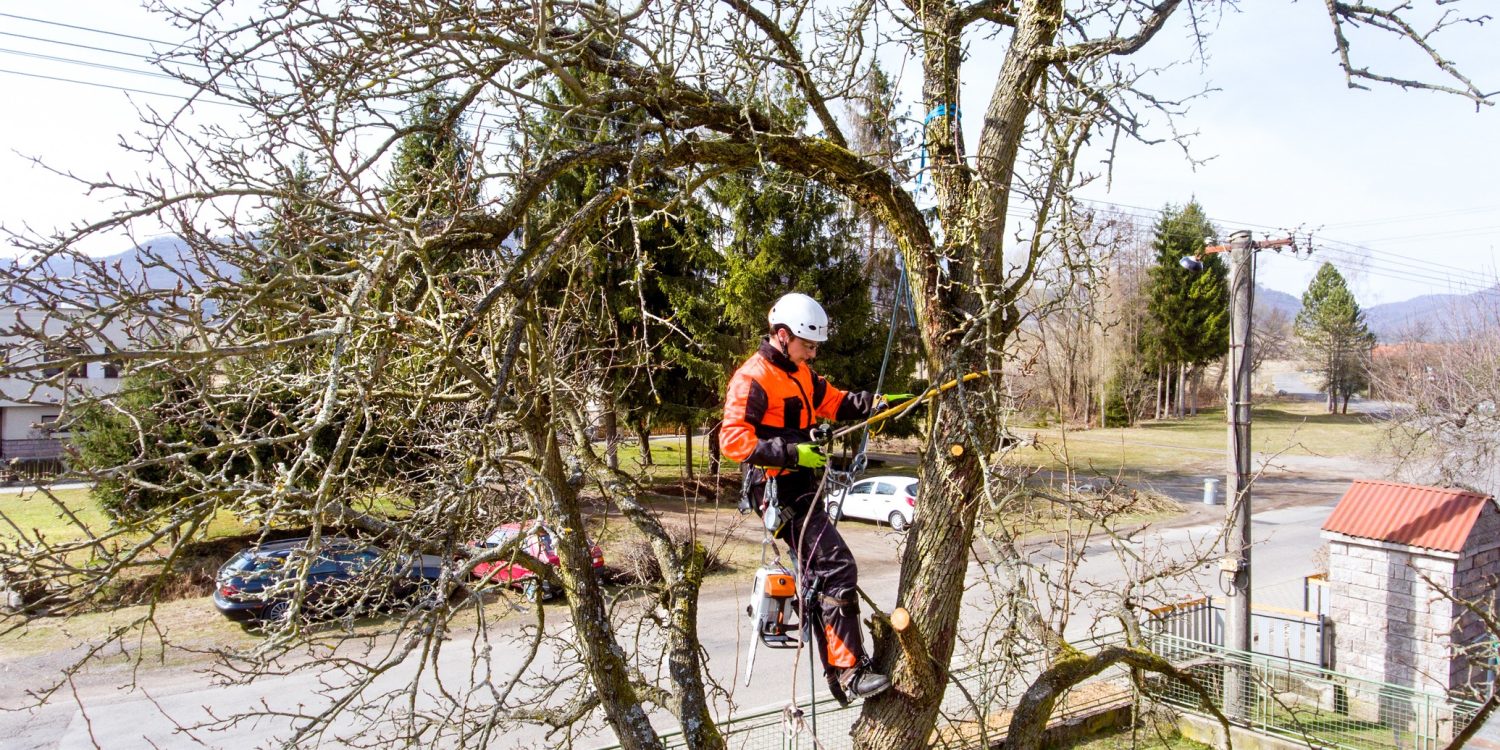
When homeowners think about spring tree pruning, they often focus on appearance. Removing overgrown branches, improving shape, and keeping the yard looking clean are all important, but proper pruning is about much more than curb appeal. Timing plays a major role in the long-term health of your trees, and one of the most important factors professionals consider is cambial activity or tree energy levels.
For homeowners across the Greater Toronto Area, early spring is often the ideal pruning window because of how trees respond during this stage of seasonal growth. Understanding cambial activity helps explain why this timing matters and why working with a professional tree service company can protect both your trees and your property.
What Is Cambial Activity and Why Does It Matter for Spring Tree Pruning?
Cambial activity refers to the growth process happening within the cambium layer of a tree. This thin layer of living tissue sits just beneath the bark and is responsible for producing new cells that allow the tree to grow in diameter. It supports the development of both xylem and phloem, which move water, nutrients, and energy throughout the tree.
As temperatures begin to rise in early spring, cambial activity increases. The tree starts preparing for the growing season, and its natural healing processes become more active. This makes it one of the best times to make pruning cuts because the tree can respond more efficiently and begin compartmentalizing wounds faster.
How Tree Energy Cycles Affect Spring Tree Pruning Results
Every pruning cut creates a wound, and how a tree responds to that wound determines whether the pruning helps or harms its long-term health. Trees do not heal the way people do. Instead, they use compartmentalization by forming protective barriers around the cut area to prevent decay and disease from spreading.
When cambial activity is increasing in early spring, wound compartmentalization happens more effectively. The tree has the energy and biological activity needed to seal off exposed areas and protect itself from stress. This reduces the risk of decay and helps preserve structural strength.
Improper cuts made at the wrong time can delay this process and leave the tree vulnerable. Proper cuts should be made just outside the branch collar to support effective compartmentalization (CODIT). This is one reason professional pruning matters – arborists understand where and how to cut so the tree can respond properly.
Soil Temperature and Vascular Flow in Southern Ontario
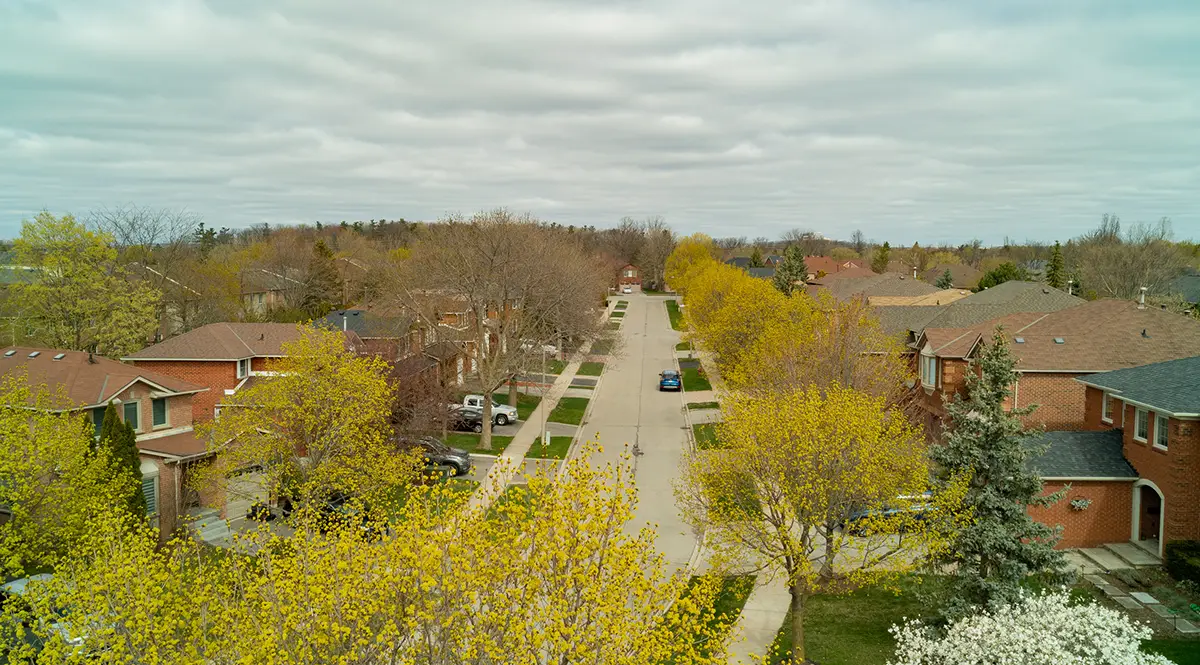
In the Greater Toronto Area, including Toronto and surrounding regions, spring tree pruning timing can vary slightly depending on microclimates and soil thaw conditions. Soil temperatures begin to rise as winter conditions ease. This change is not just happening at ground level. It directly affects root activity and vascular flow throughout the tree.
As roots become more active, water and nutrients begin moving upward through the vascular system. This renewed circulation supports healthy branch development and prepares the canopy for leaf production. Pruning during this stage allows the tree to redirect resources more efficiently toward strong, healthy growth.
This timing is especially important in the GTA, where fluctuating spring weather can create narrow maintenance windows. Waiting too long can mean missing the opportunity for optimal pruning before full leaf-out begins.
Why Spring Tree Pruning Before Leaf-Out Reduces Stress
Once a tree has fully leafed out, it is relying heavily on those leaves for photosynthesis and energy production. Removing large branches after this point creates greater stress because the tree loses part of its food-producing system during active growth.
Early spring pruning avoids this issue. Before leaves emerge, the tree is still working from stored energy reserves rather than current photosynthesis. This means pruning has less impact on overall vitality and allows the tree to recover more smoothly.
It also improves visibility for the arborist. Without dense foliage blocking the canopy, professionals can better assess branch structure, identify weak limbs, and make precise cuts that improve both health and safety.
While early spring is ideal for many species, some trees (such as maples and birches) may be better pruned at different times depending on objectives. Professional arborists assess species-specific response, structural defects, and risk factors before recommending spring tree pruning.
Stored Carbohydrate Reserves and Pruning Recovery
Trees rely on stored carbohydrate reserves through the winter months. These reserves are built up during previous growing seasons and help fuel new growth in spring before leaves are fully developed.
Strategic pruning during early spring helps the tree use these reserves more efficiently. By removing dead, damaged, or poorly positioned branches, the tree can direct energy toward healthier limbs and stronger development.
Over-pruning or poorly timed cuts can disrupt this balance and weaken the tree’s ability to recover. This is why tree pruning should never be treated as a simple weekend project. Professional assessment ensures the right branches are removed without creating unnecessary stress.
Pest and Disease Considerations for Spring Tree Pruning
Another major advantage of spring pruning is reduced pathogen and pest activity. Many insects, fungi, and disease-causing organisms remain dormant during the early part of the season.
Making pruning cuts before these threats become active lowers the risk of infection and infestation. Once warmer temperatures fully arrive, open wounds may become easier entry points for pests and disease.
For species that are particularly vulnerable to seasonal pests, proper timing can make a significant difference in long-term survival and health. A qualified tree service company understands these seasonal risks and adjusts pruning schedules accordingly.
Why Homeowners Should Hire a Professional Tree Services Company For Early Spring Pruning
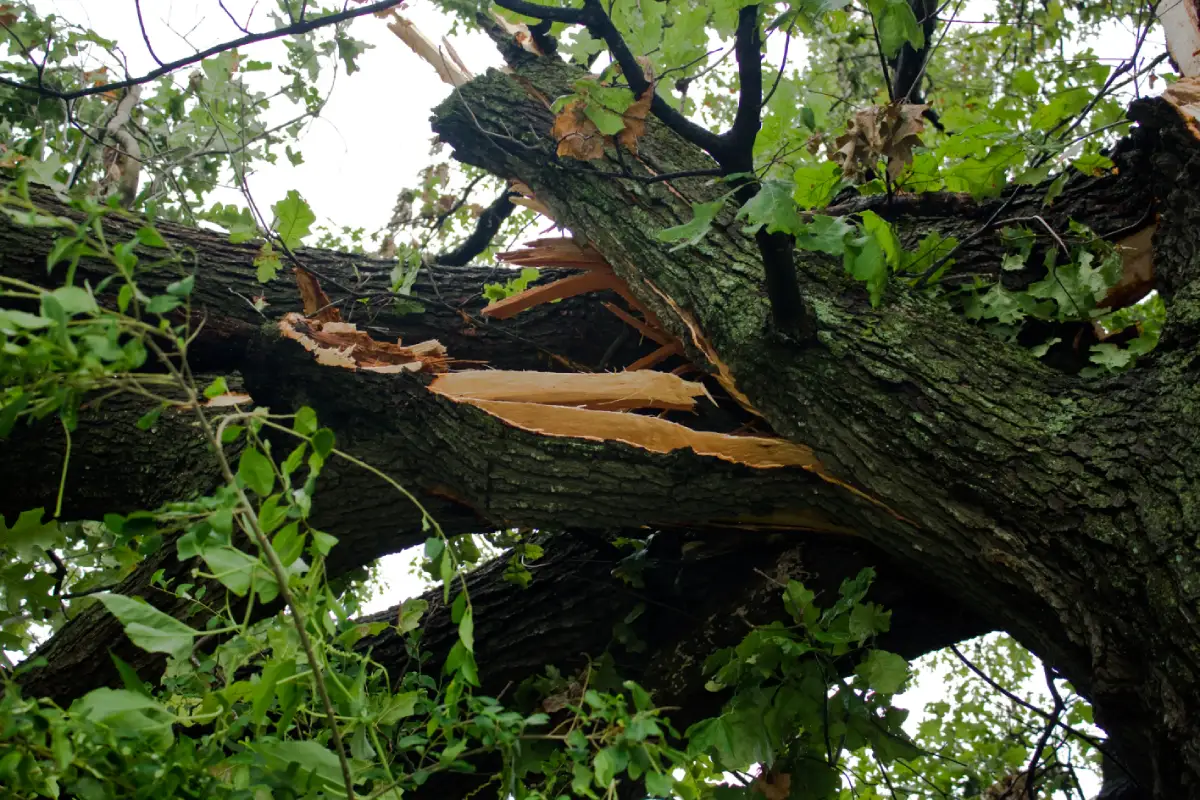
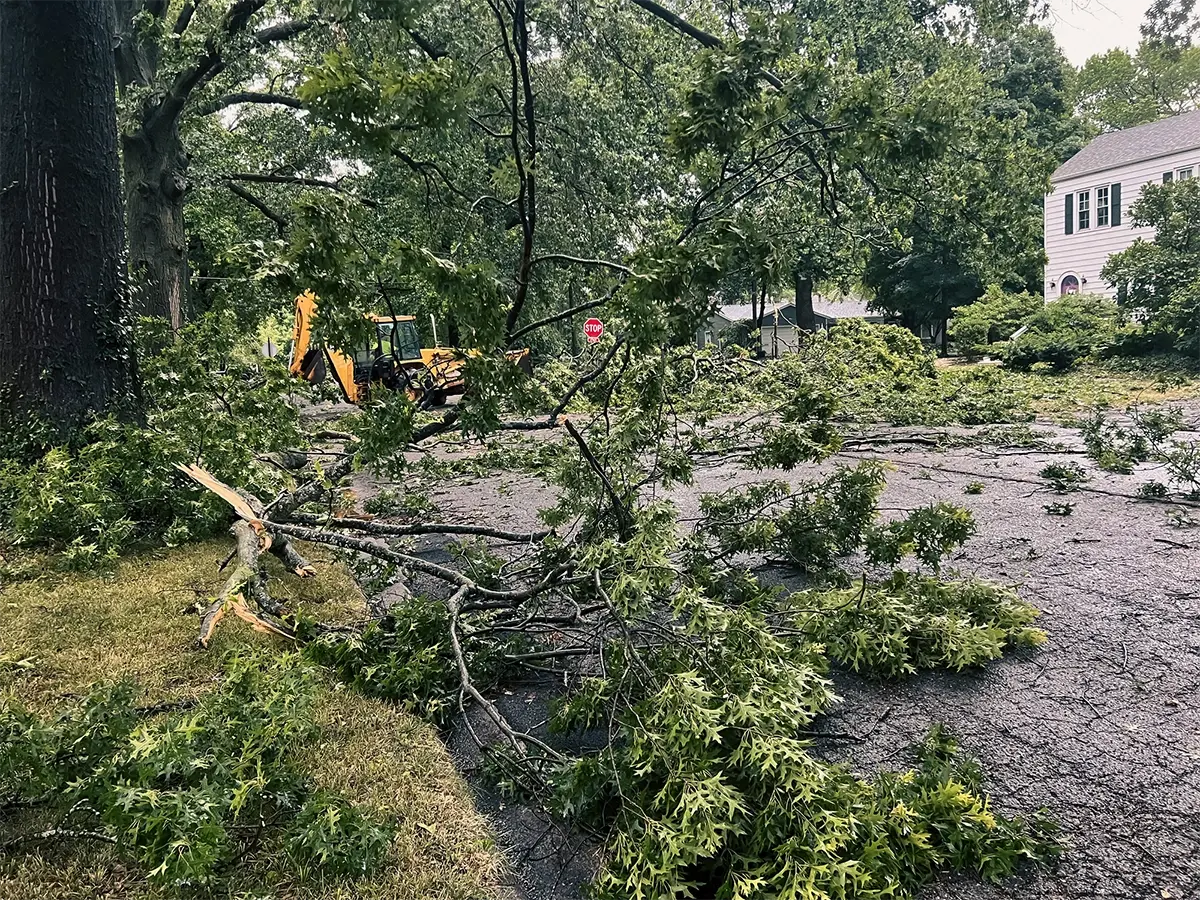
Tree pruning is not simply about cutting branches. It requires knowledge of tree biology, structural integrity, species-specific growth patterns, and seasonal timing. Poor pruning can lead to permanent damage, weakened limbs, disease entry, and even dangerous tree failure.
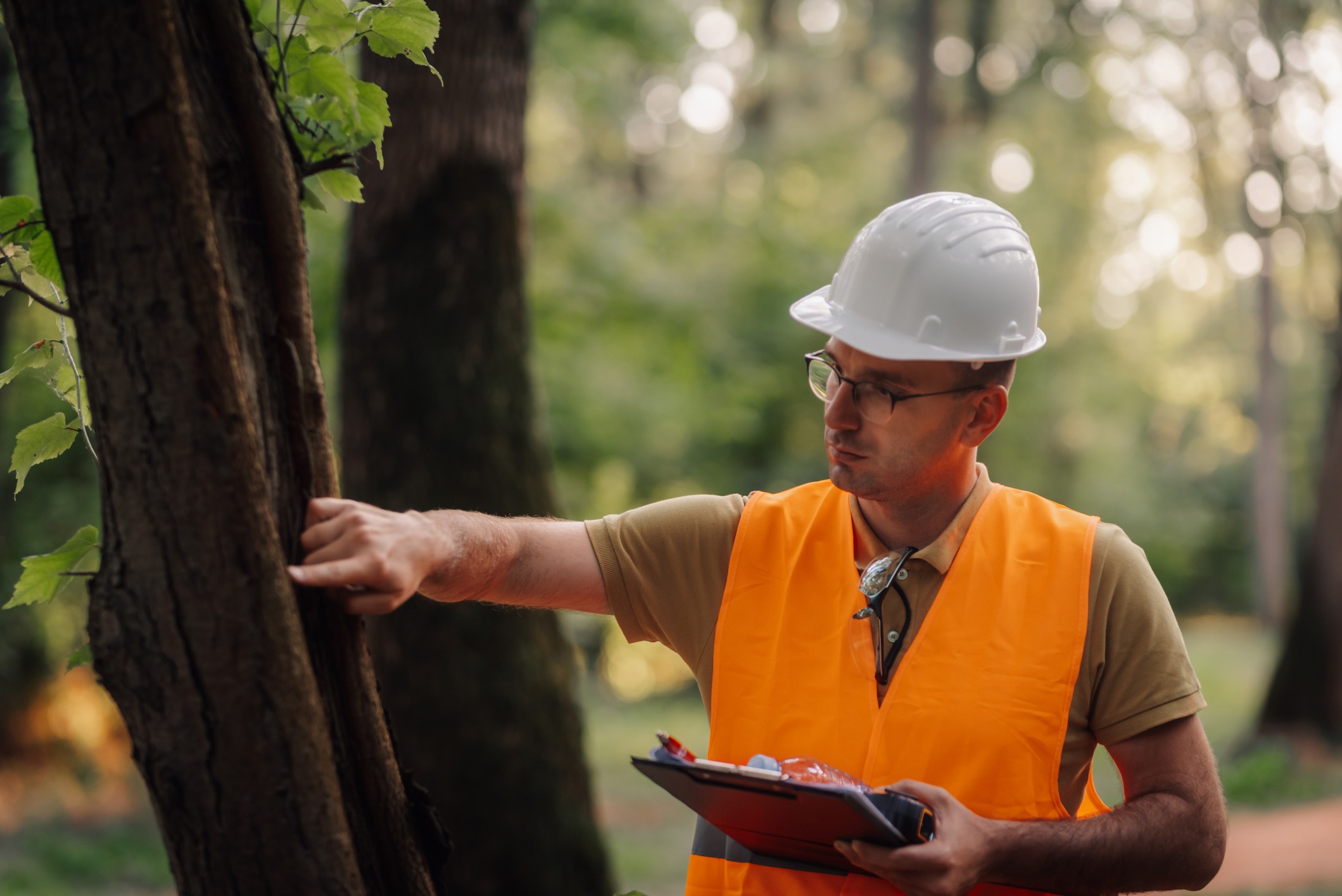
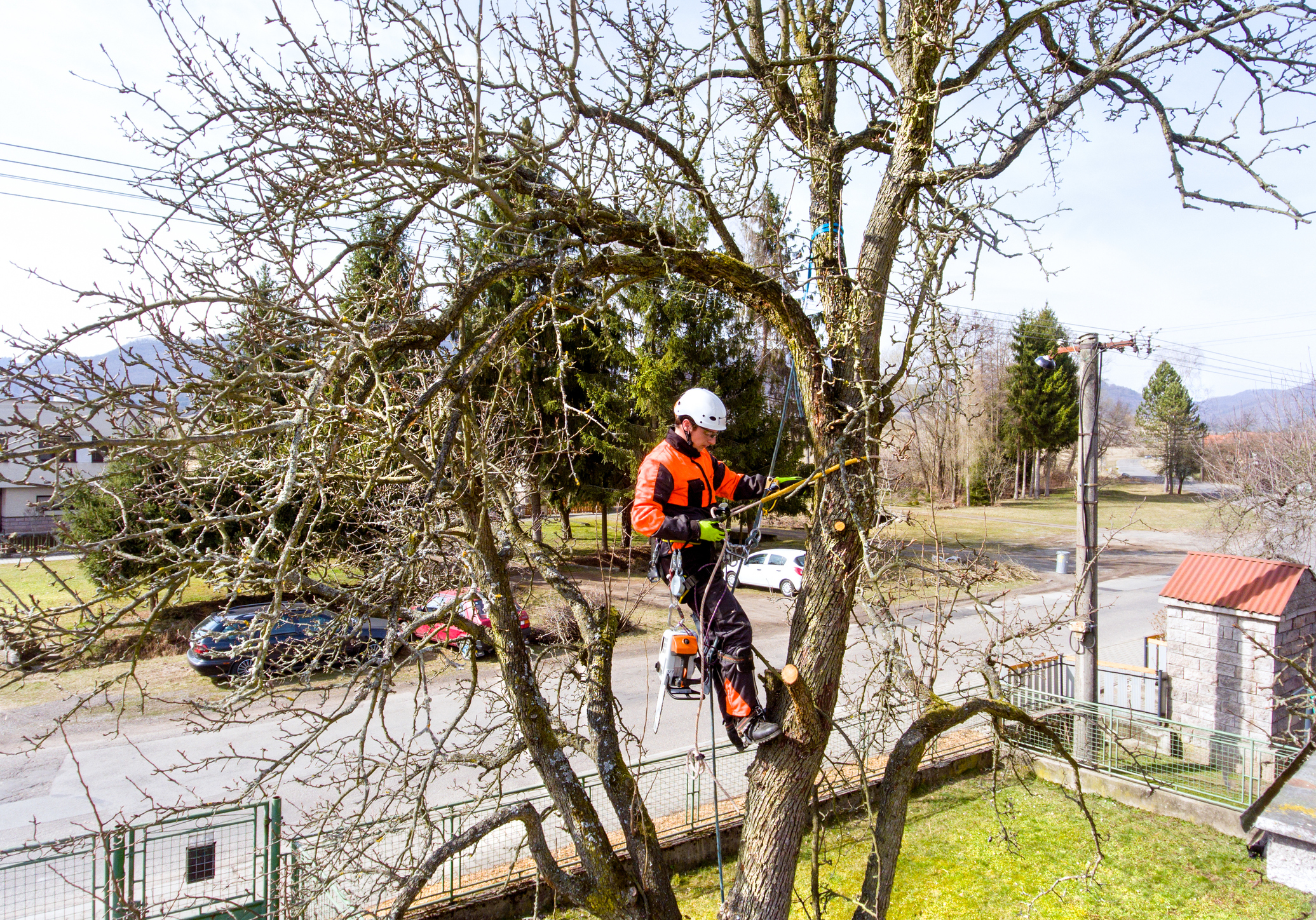
Professional arborists understand how cambial activity affects tree health and how to use that knowledge to make informed pruning decisions. They follow ANSI A300 pruning standards to ensure cuts support long-term structure and health. Tree experts also have the equipment and safety training needed to handle large trees and hazardous branches safely.
For homeowners, hiring an experienced tree service company means protecting both your landscape investment and your family’s safety. It also helps prevent costly mistakes that can shorten the life of a valuable mature tree.
Book Your Spring Tree Pruning with J&C Tree Services
If you’re planning spring tree pruning, early season is the right time to act. Taking advantage of rising cambial activity gives your trees the best opportunity for healthy recovery, stronger growth, and long-term protection.
At J&C Tree Services, we provide professional tree pruning services throughout the GTA with a focus on tree health, safety, and expert care. Our team understands the science behind proper pruning and helps homeowners make the right decisions for every tree on their property.
Contact J&C Tree Services today to schedule your spring tree assessment and give your trees the professional care they need to thrive.