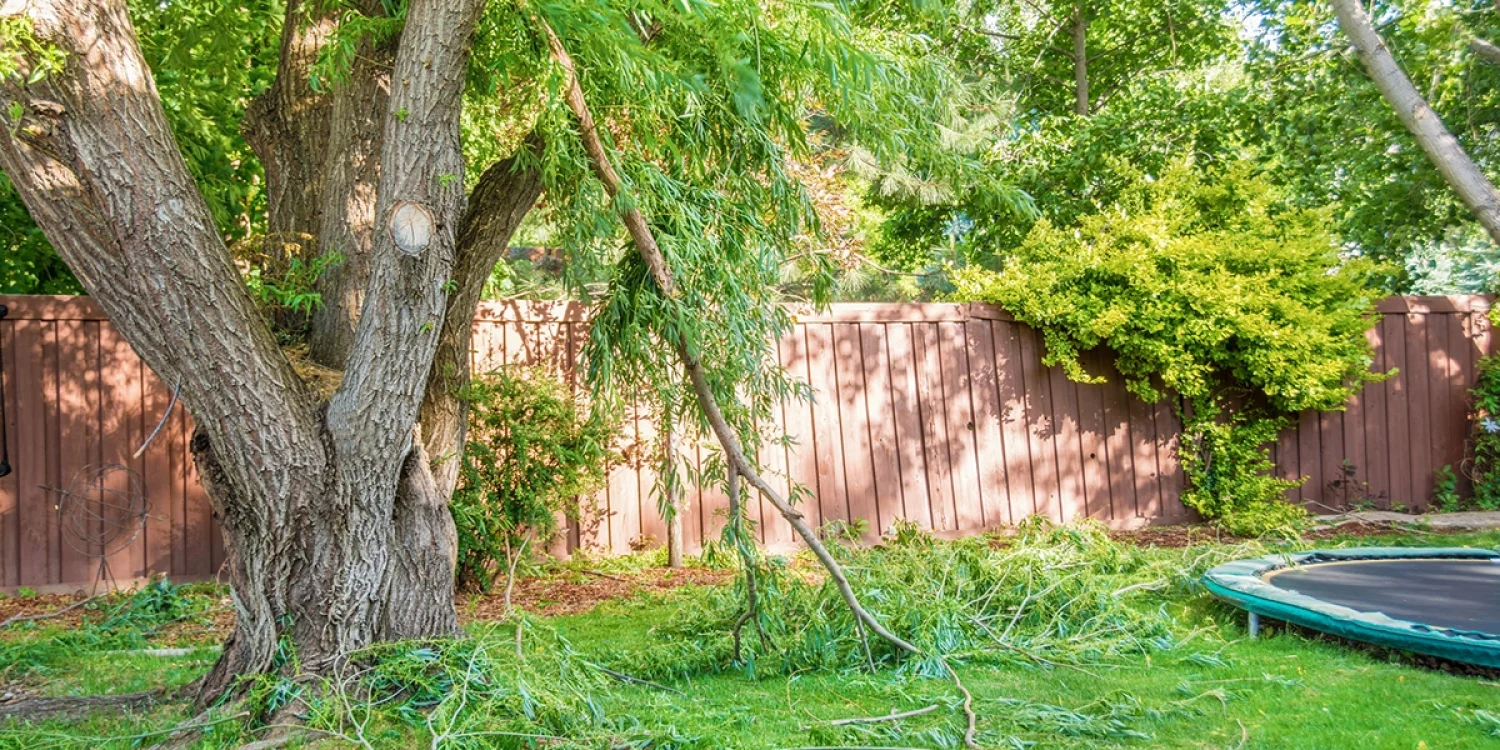
Hazardous trees become a much more serious concern in the spring, especially across Toronto and the GTA. As arborists, this is the time of year when we see a noticeable increase in tree failures—not because the trees suddenly became dangerous overnight, but because winter damage is finally exposed under spring conditions.
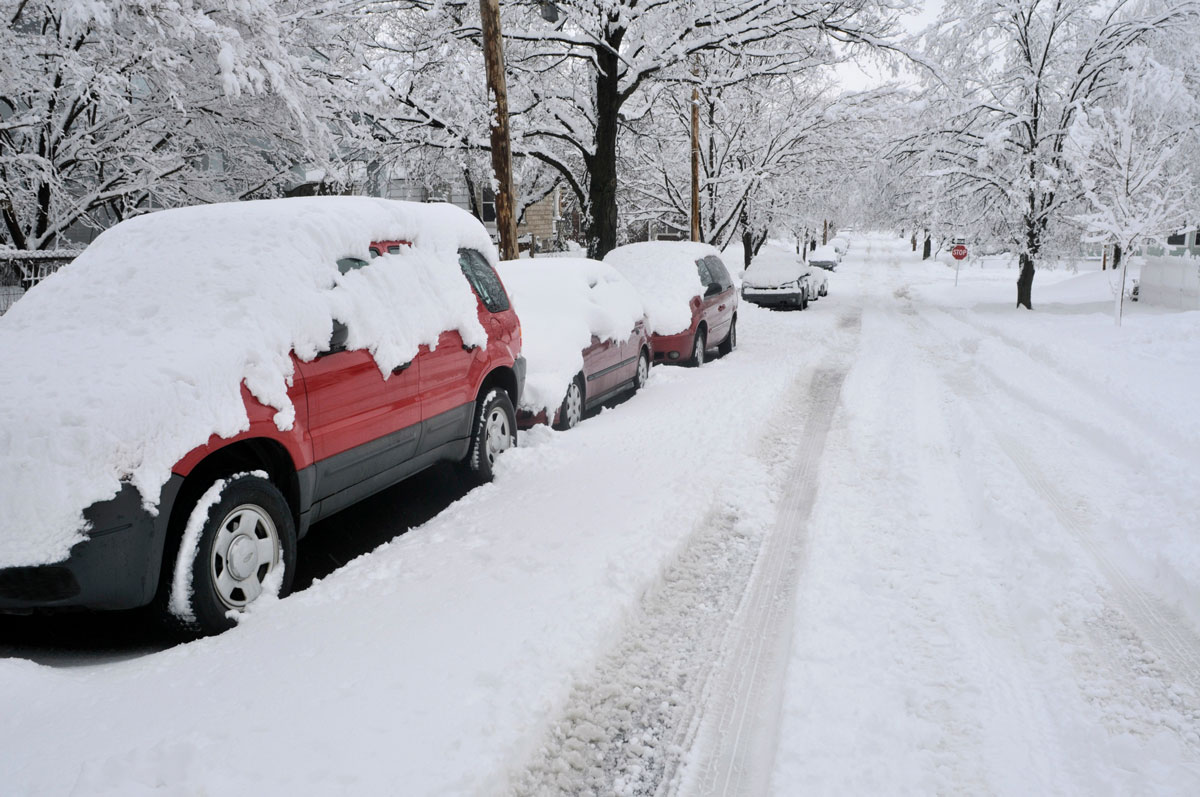
As snow melts, the ground becomes saturated, reducing the stability of root systems. At the same time, branches carry more weight due to moisture, and seasonal winds begin to place stress on structural weaknesses that may have been developing for years. What may have looked like a stable, healthy tree in the winter can quickly become a risk once these factors combine.
Why Trees Become More Dangerous in the Spring
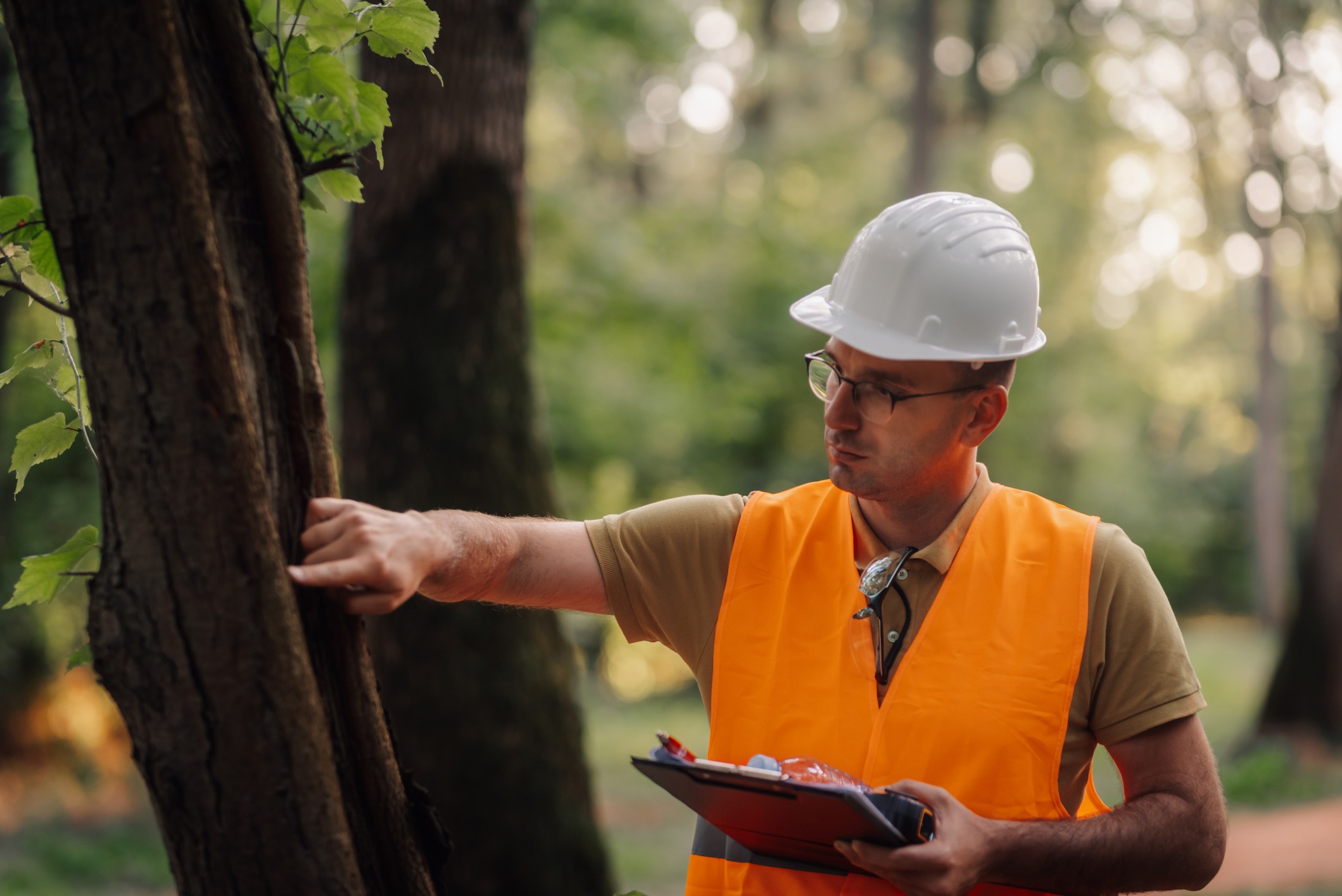
For homeowners, the challenge is that hazardous trees are not always obvious. A tree can appear full, green, and healthy while still containing internal defects that increase the likelihood of failure. In arboriculture, we assess risk based on the likelihood of failure, the size of the part that could fail, and what it could impact. When a large limb is positioned over a home, driveway, or high-traffic area, even a moderate defect can become a serious concern.
Why Dead, Damaged, and Diseased Limbs Become Dangerous
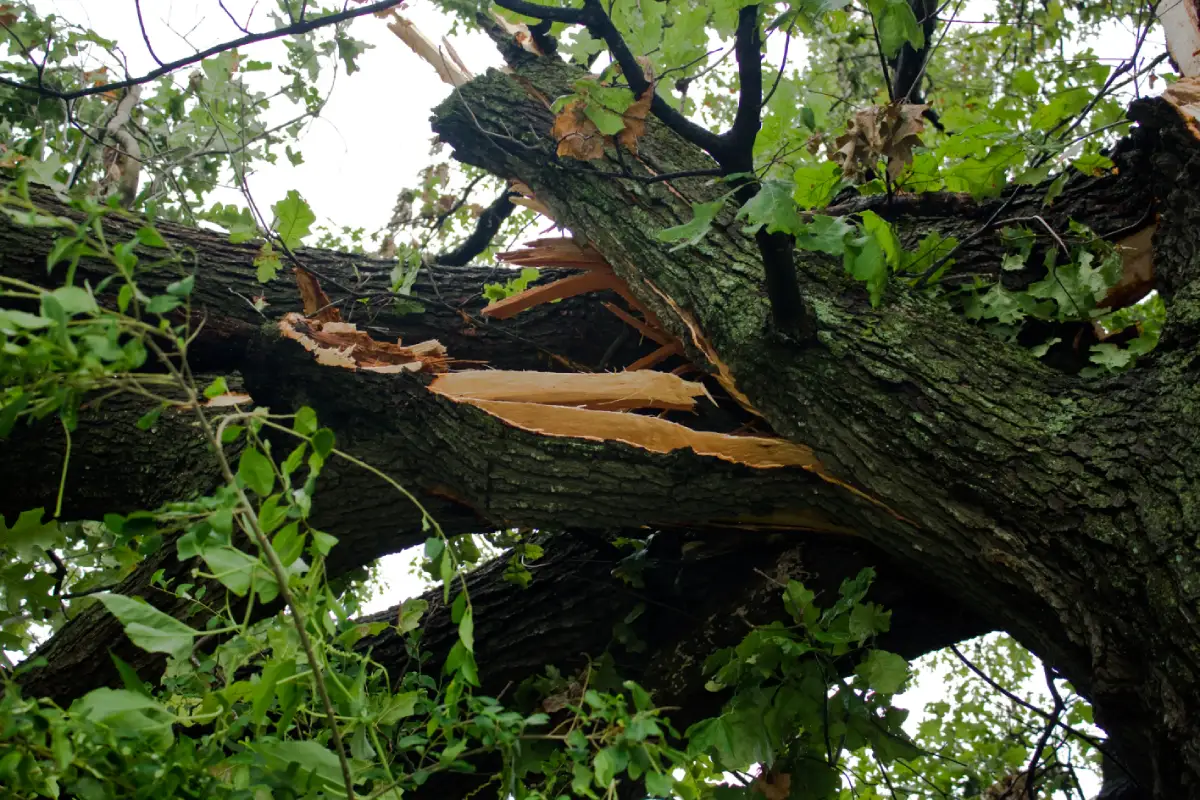
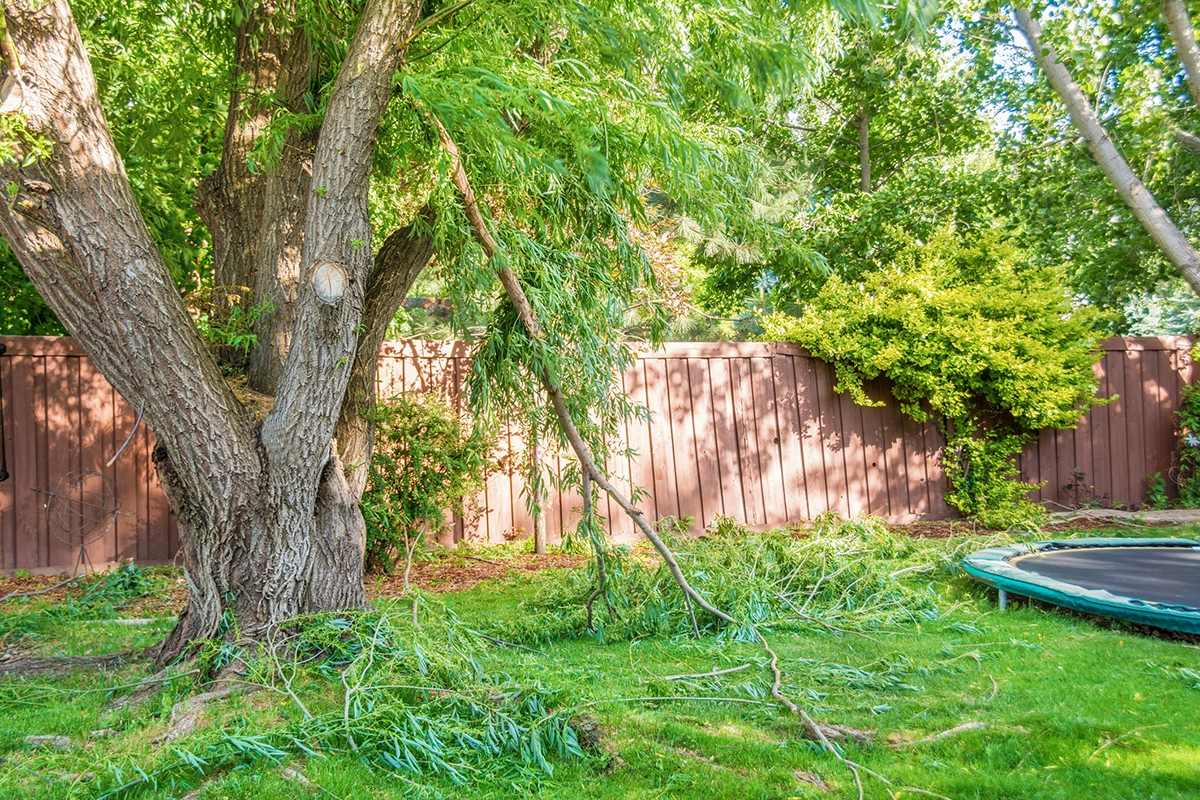
One of the most common things that makes trees hazardous is the presence of dead, damaged, or diseased wood. Branches that have lost their bark, appear brittle, or show discolouration are no longer structurally sound and are highly prone to snapping.
“Hung-up” limbs, which are broken branches caught in the canopy, are particularly dangerous. These can fall without warning, even in calm conditions, making them a serious risk for anyone below. Because these defects are often elevated and difficult to assess from the ground, they are frequently underestimated by homeowners.
Structural Issues That Increase the Risk of Tree Failure
Beyond visible damage, structural defects are a major factor in determining whether a tree becomes hazardous. As tree professionals, we see this in weak branch unions, especially tight V-shaped crotches, that are inherently unstable and prone to splitting under load.
The presence of fungi or conks on the trunk or near the base is another warning sign we often see. These growths typically indicate internal decay, meaning the tree’s structural integrity may already be compromised.
We also treat sudden leaning as an urgent concern with hazardous trees. When a tree begins to lean unexpectedly, particularly if the soil is lifting around the root plate, it may indicate root failure. In these cases, the tree can become a hazard very quickly and requires immediate professional evaluation.
When Tree Proximity Creates Hazards Near Homes and Power Lines
Location plays a significant role in determining risk. Even healthy trees can become hazardous when they are too close to structures or utilities.
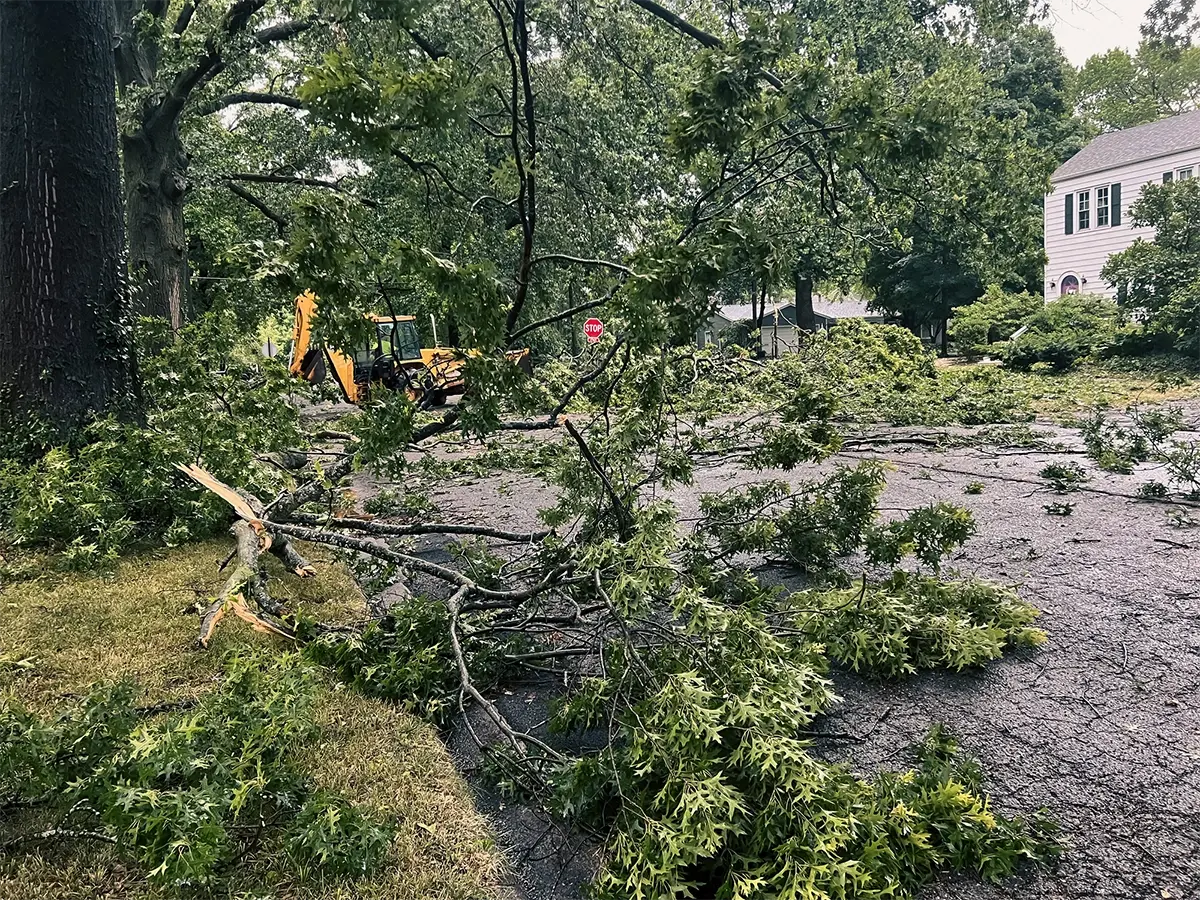
These are some of the most common issues we deal with in the GTA. Branches that contact roofs, scrape siding, or extend over driveways increase the likelihood of property damage during storms. Trees growing near power lines present an even greater hazard, with the potential to cause outages or serious safety risks.
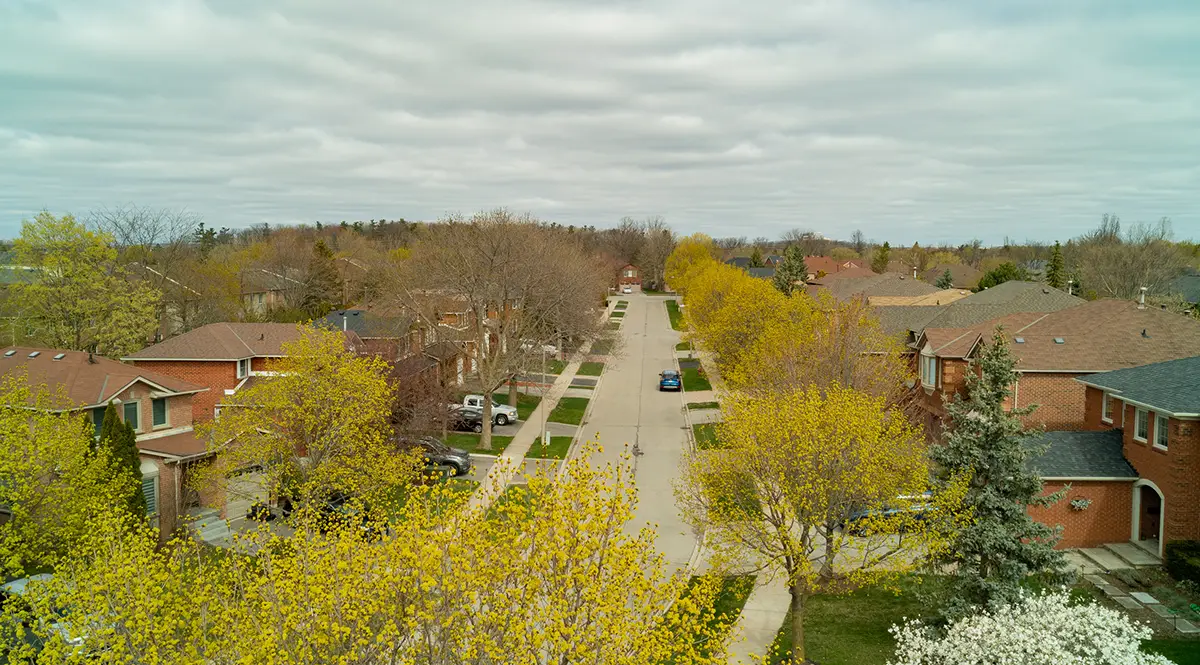
In dense urban areas in the Toronto area, managing tree proximity is a critical part of reducing overall risk and maintaining safe clearance around your home.
Hazard Reduction Pruning: The Most Effective Way to Manage Trees
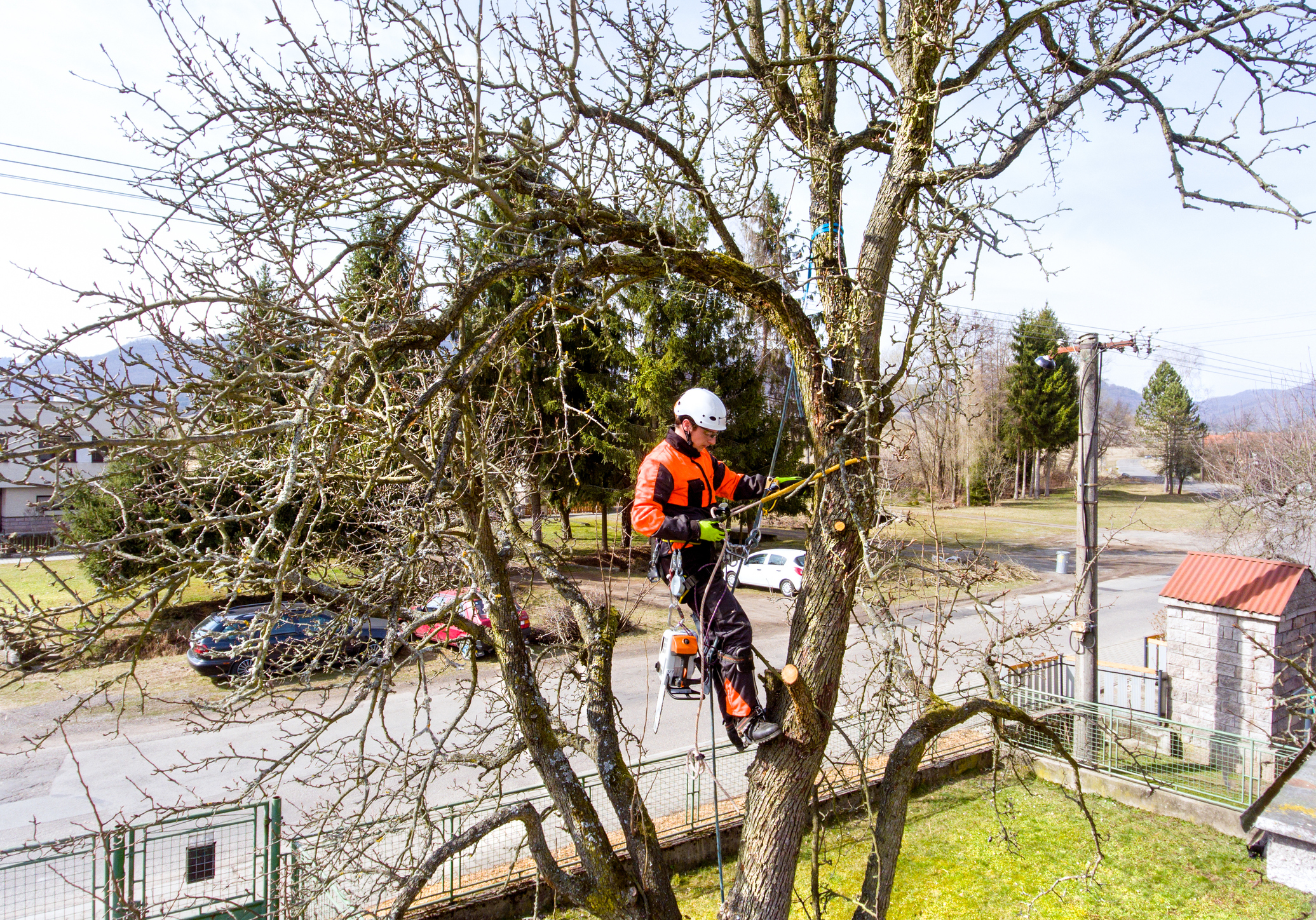
The most effective way to lower the risks posed by hazardous trees is through proper, professional pruning, called hazard reduction pruning. This pruning removes high risk limbs while preserving the overall health and structure of the tree.
Our approach at J&C Tree Services is to prioritize the removal of dead, damaged, and diseased branches first, as these represent the highest likelihood of failure. From there, we reduce weight on structurally weak limbs and, where necessary, install cabling systems to provide additional support.
Precision is essential. Proper cuts made just outside the branch collar allow the tree to heal effectively and reduce the risk of future decay. When done correctly by experienced tree professionals, hazard reduction pruning significantly lowers the likelihood of storm-related damage while extending the life of the tree.
Why Improper Pruning Can Make Hazardous Trees More Dangerous
Improper pruning often does more harm than good. One of the most common mistakes we see is tree topping. While it may seem like a quick way to reduce height, topping creates weak, fast-growing shoots that are poorly attached and far more likely to fail.
In many cases, improper cuts or pruning techniques can turn otherwise manageable trees into hazardous trees over time. This is why professional tree pruning is critical when addressing structural issues.
Spring Conditions in Ontario That Increase Hazardous Tree Risk
Spring is one of the highest-risk seasons for tree failure in Ontario. Trees are often water-laden from melting snow, making branches heavier and more susceptible to breakage. We see this often after heavy snow years in the GTA. At the same time, dormant wood weakened over winter becomes brittle and prone to snapping due to high winds.
While late winter is typically ideal for pruning, addressing hazardous trees should never be delayed when safety is a concern. Professional proactive maintenance early in the season can prevent emergency situations later on.
When Hazardous Trees Require Professional Tree Service
When trees pose a risk, it’s no longer a DIY situation. Large trees, elevated work, proximity to power lines, and structural instability all require specialized training and equipment that are provided by the professionals at J&C Tree Services.
Our experienced team not only ensures the work is done safely but also provides proper risk assessment and long term solutions. Without this expertise, attempts to manage hazardous trees can increase both personal risk and property damage.
When Tree Removal Is the Only Safe Option
There is an important distinction between trees that can be managed and those that have become liabilities. When decay is extensive or structural damage is severe, pruning alone is not enough.
In these cases, removal becomes the safest and most responsible course of action. Identifying when a tree has reached this point requires professional evaluation by tree experts, as the signs are not always obvious to the untrained eye.
For homeowners in the GTA, the most proactive step you can take is to have your trees inspected early in the spring. Hazardous trees rarely fail without warning, and early intervention can prevent costly damage and ensure the long term safety of your family and your property.
Spring storms don’t wait. J&C Tree Services provides professional tree care across Toronto and the GTA, including detailed inspections, precision pruning, and safe removals when necessary. A professional inspection now can prevent costly damage later. Book a hazardous tree assessment with J&C Tree Services today.