As cold weather approaches, now is the time to spot tree hazards before winter storms sweep through Ontario. While most homeowners focus on clearing gutters or sealing windows, trees are often overlooked. A tree that seems perfectly fine in summer can turn into a serious danger once it’s loaded with snow or caught in high winds. Checking your trees before winter hits can prevent costly property damage and keep your family safe.
The Toll of Winter Weather on Ontario Trees
Ontario’s mix of evergreens and deciduous trees means that each species faces unique challenges once temperatures drop. These are some tree hazards to spot in winter.
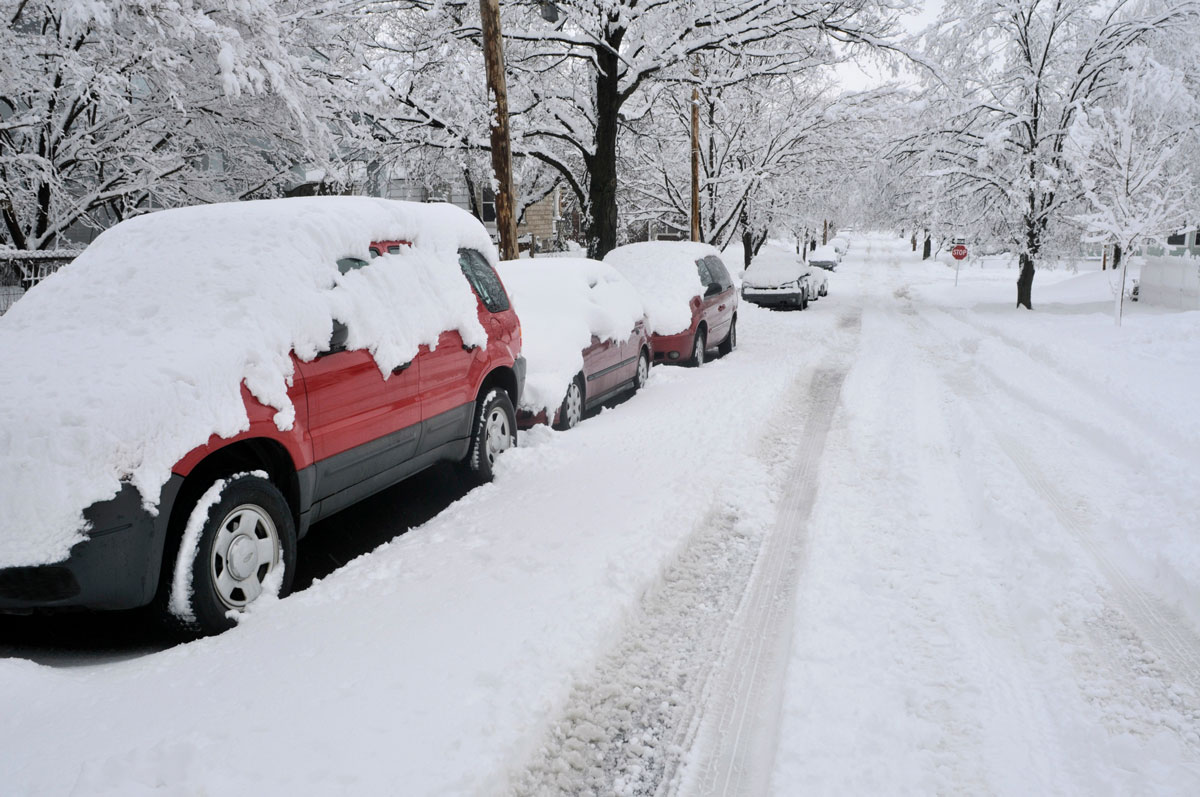
Evergreens like spruce, pine, and fir keep their needles year-round, which makes them vulnerable to winter browning. Dry winds and bright winter sun cause the needles to lose moisture faster than the tree can replace it. Once freezing temperatures hit, the needles can turn brown or red. Heavy, wet snow can also weigh down branches and cause them to snap.
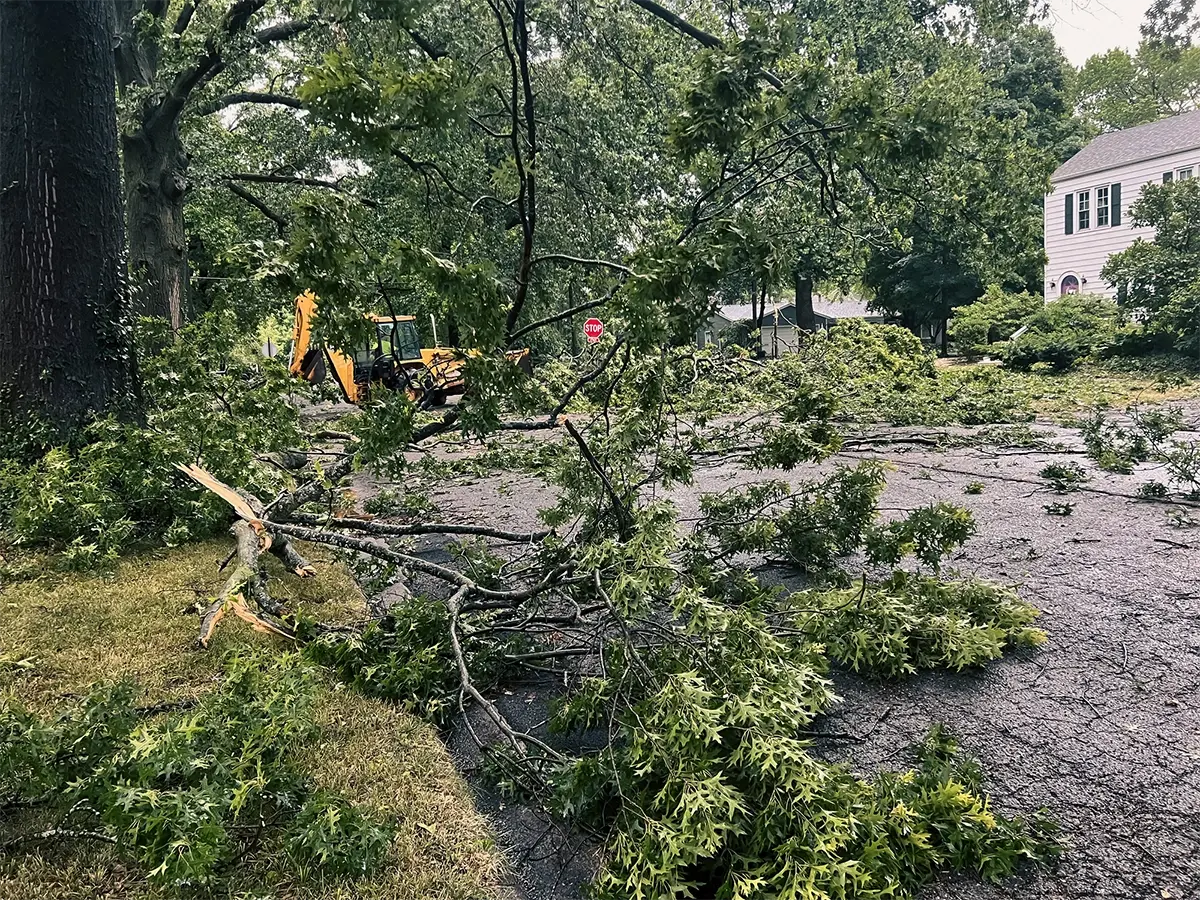
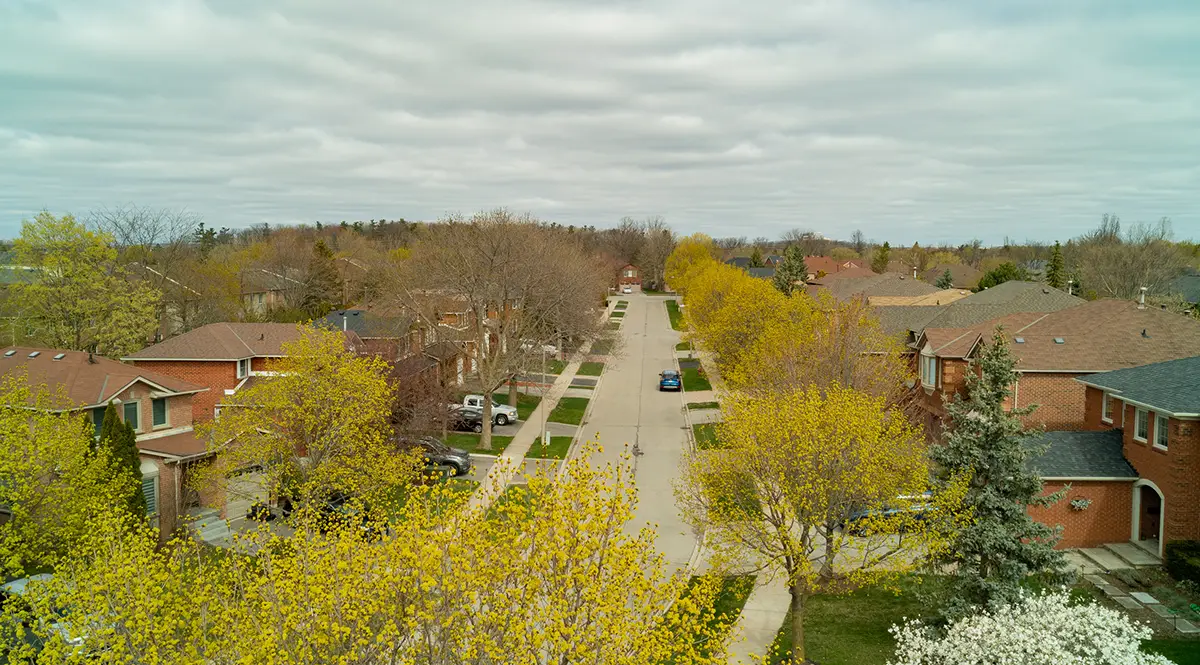
Deciduous trees, on the other hand, lose their leaves but timing is everything. If an early snowfall hits before the leaves have fallen, the extra weight can bend or break branches, especially if they hang over power lines or rooftops.
To help protect your trees, water them deeply before the ground freezes, add mulch to keep roots insulated, and trim any overgrown limbs that could become hazards in a storm.
Spot These Common Tree Hazards Before Winter Storms Hit
A few warning signs can help you spot tree hazards before winter storms do real damage. Keep an eye out for these red flags:
Dead or Dying Branches
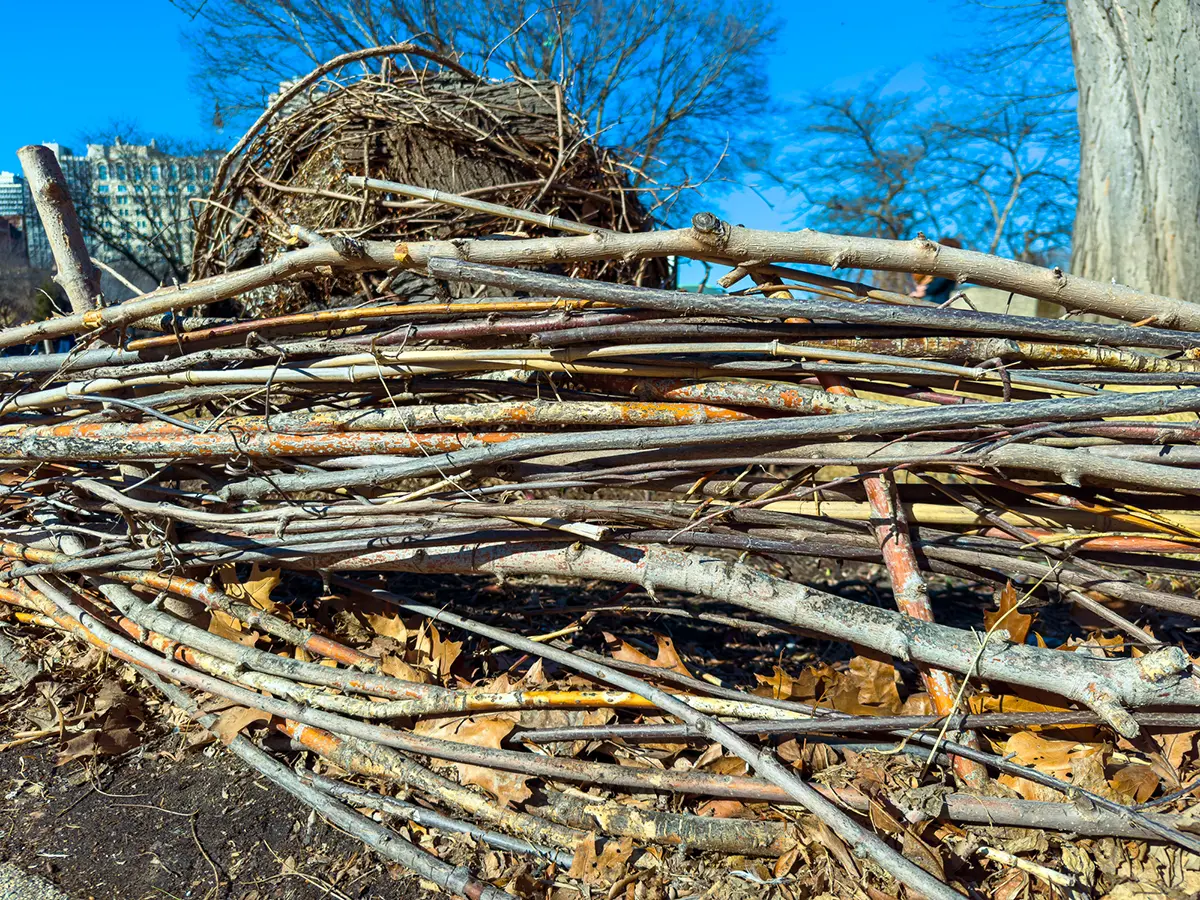
Dead branches are brittle and often break under snow or wind. If they’ve stayed bare through summer, have peeling bark, or sound hollow when tapped, they’re likely dead and should be removed.
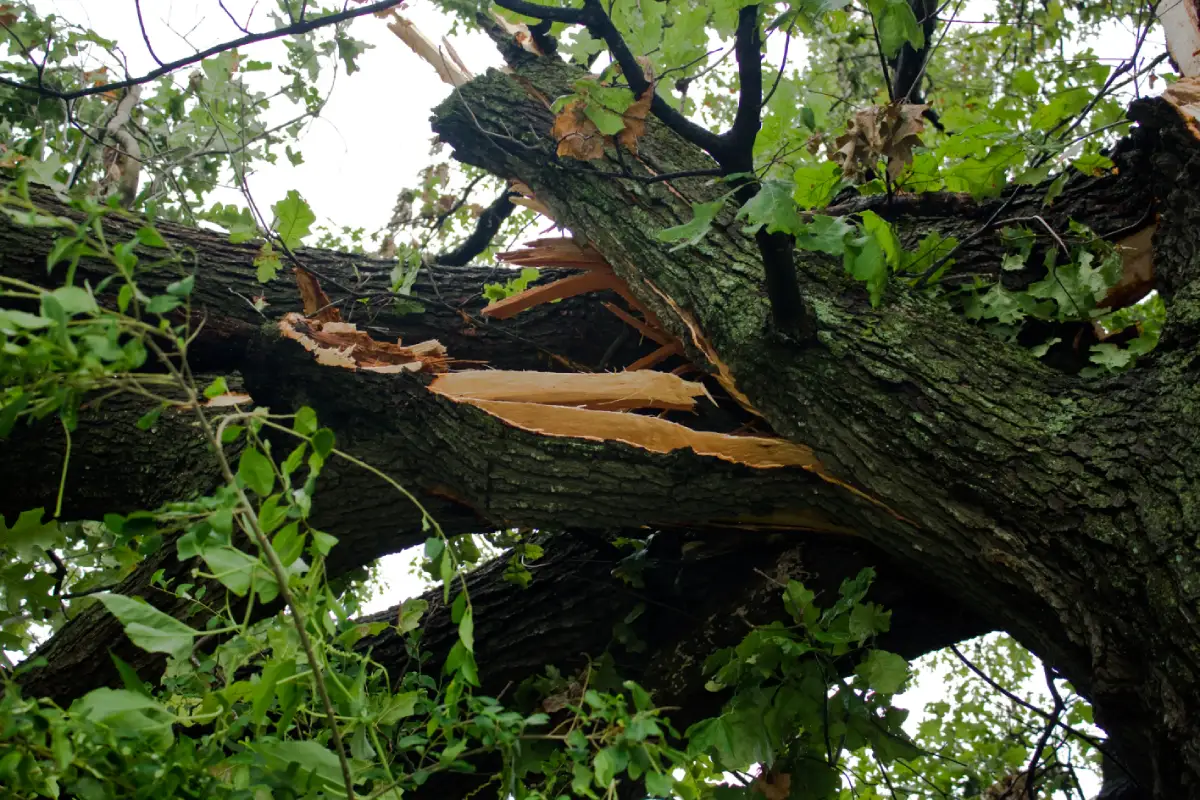
Cracked or Split Trunks
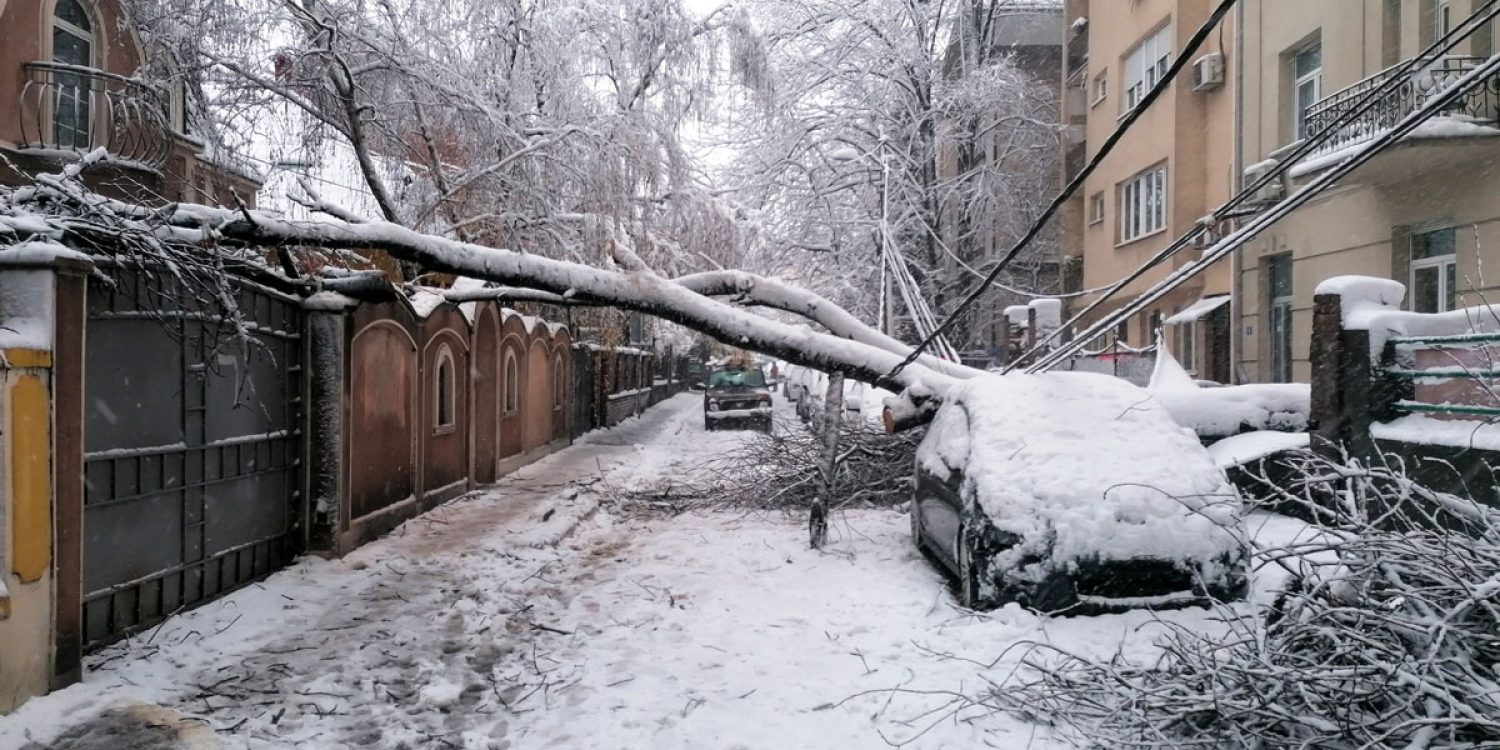
Cracks in the trunk weaken the tree’s structure. When snow and ice pile up, the pressure can cause the trunk to split further or collapse entirely.
Leaning Trees
A tree that suddenly leans more than before may have unstable roots or trunk damage. Signs like exposed roots or cracked soil around the base indicate potential danger.
Root Rot or Damage
Fungi growing around the base, soggy soil, or visible root decay can mean the tree’s foundation is compromised. A weak root system increases the risk of falling during a storm.
Overgrown Limbs
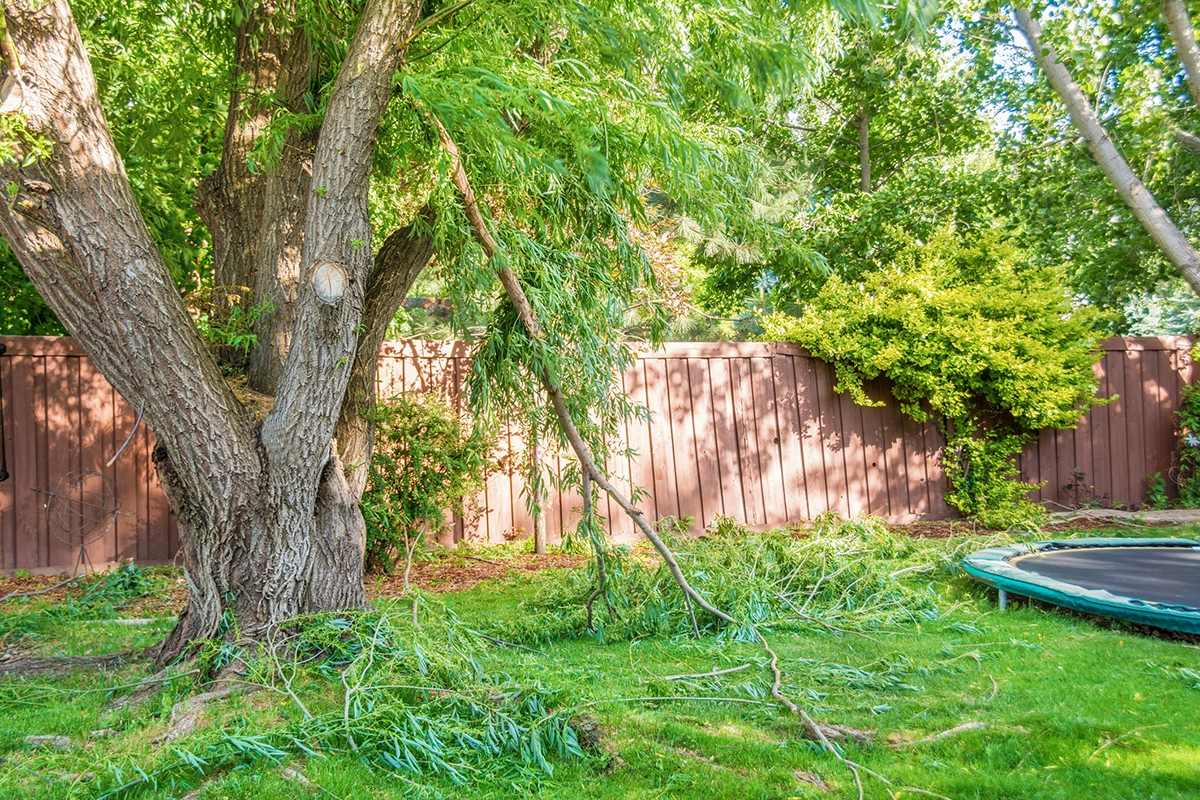
Even healthy trees can be risky if their limbs stretch too far over roofs or driveways. Heavy snow or ice buildup can easily snap them.
When to Call a Professional if You Spot Tree Hazards Before Winter
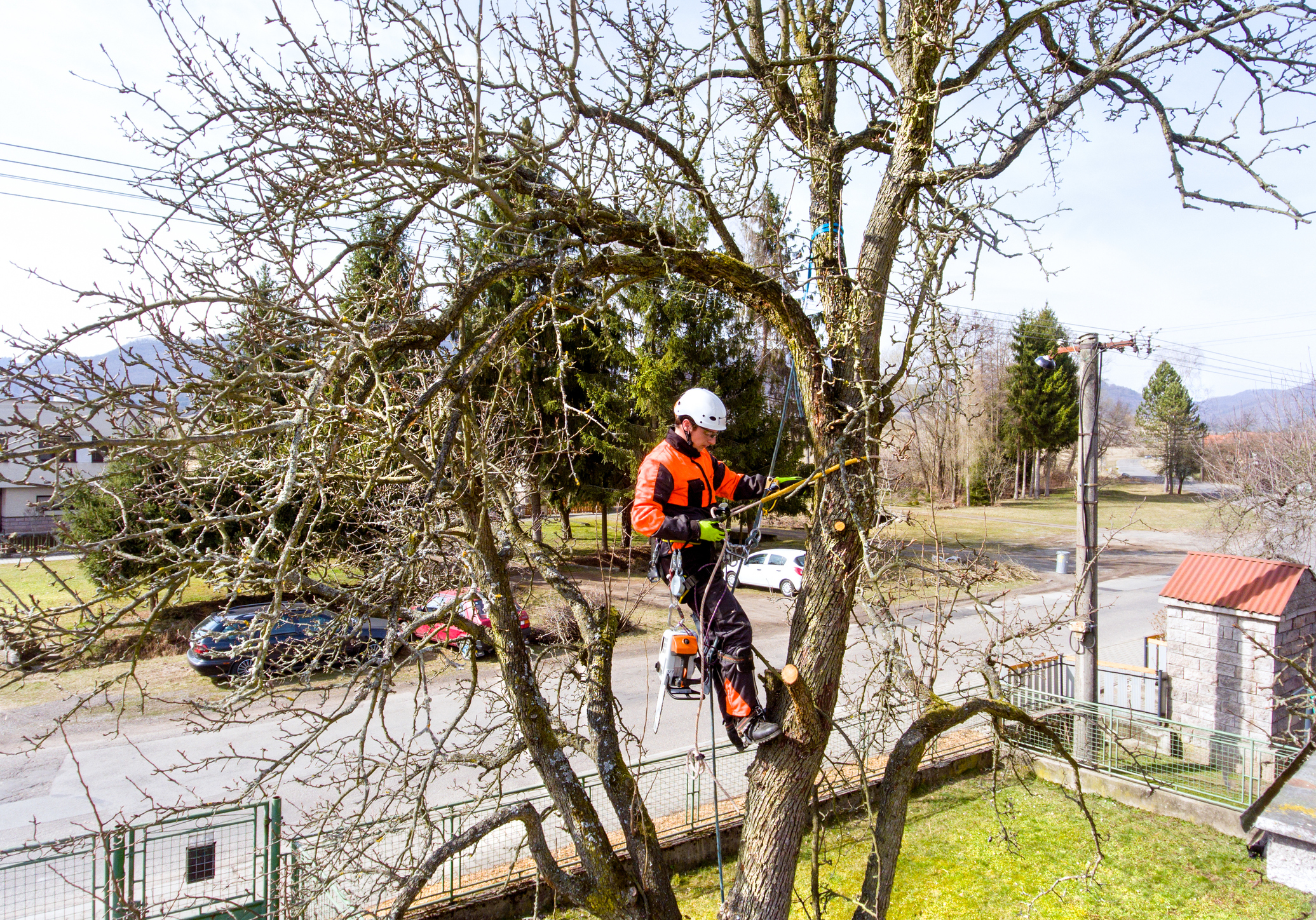
If you’ve noticed any of these issues, don’t wait for the first snowstorm to hit. Professional tree service companies can inspect your trees, identify risks, and handle trimming or removal safely.
Contact a tree service right away if:
- You see large dead limbs near your home or power lines
- A tree is cracked, leaning, or has visible root damage
- There’s recent construction or soil disturbance near the base
Keep Your Property Safe This Winter By Spotting Tree Hazards Before Winter Hits
Ontario winters are unpredictable, but tree damage doesn’t have to be. By taking time now to spot tree hazards before winter storms, you can prevent accidents, protect your property, and enjoy peace of mind all season long.
At J&C Tree Service, our tree service professionals provide comprehensive winter tree care services to help your trees withstand winter stresses and thrive come spring. Let our expert team ensure your trees are healthy and protected all winter long. Call J&C Tree Service for a professional assessment at 416-997-7280 or visit our website to schedule a consultation.